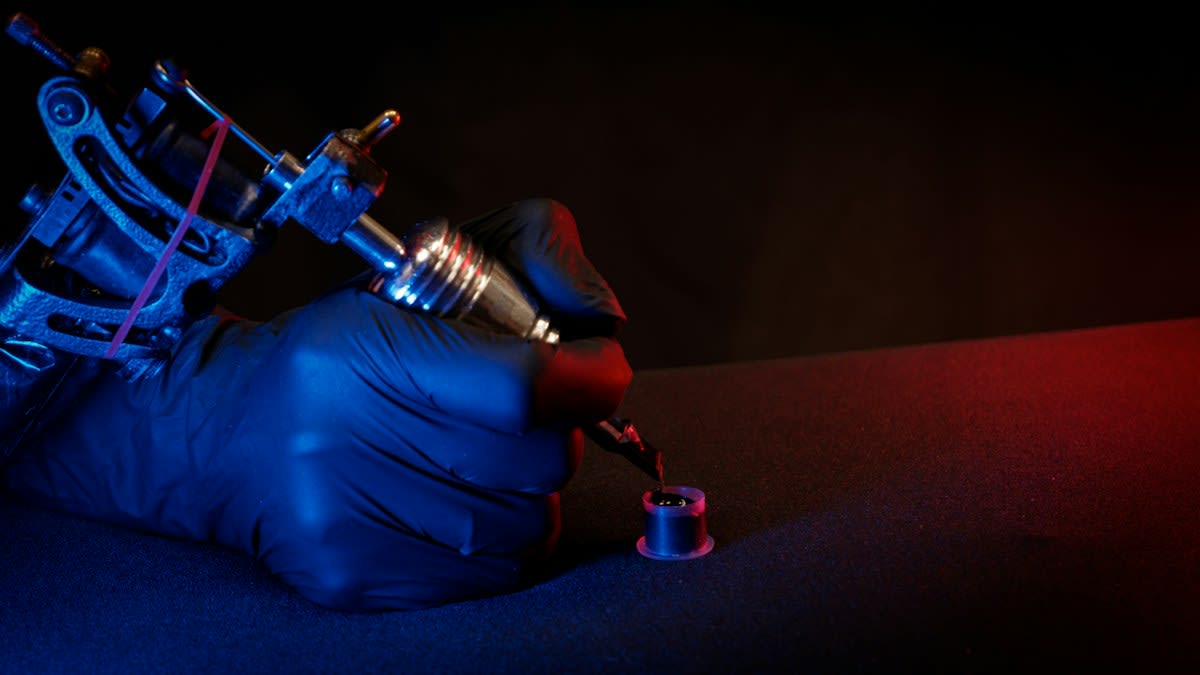
Skin is a ledger. For the indigenous peoples of the Cordillera region in the Philippines, the act of tattooing represents a biological archive that survives long after the spoken word fades into the noise of colonization. It anchors the bloodline to the bone. Do we really believe that a bone needle is more sacred than a living descendant? The insistence on primitive tools often ignores the reality that infection kills the practitioner and the tradition simultaneously.
Ritual meets science. When the Māori of New Zealand reclaimed Tā moko, they didn't just bring back the chisel; they integrated modern dermatological standards to ensure the practice could survive in urban centers. The result is a living archive. By adopting professional sterilization and medical-grade pigments, artists transformed a dying relic into a visible marker of identity that fits within the constraints of modern health law.
The Sterile Divide
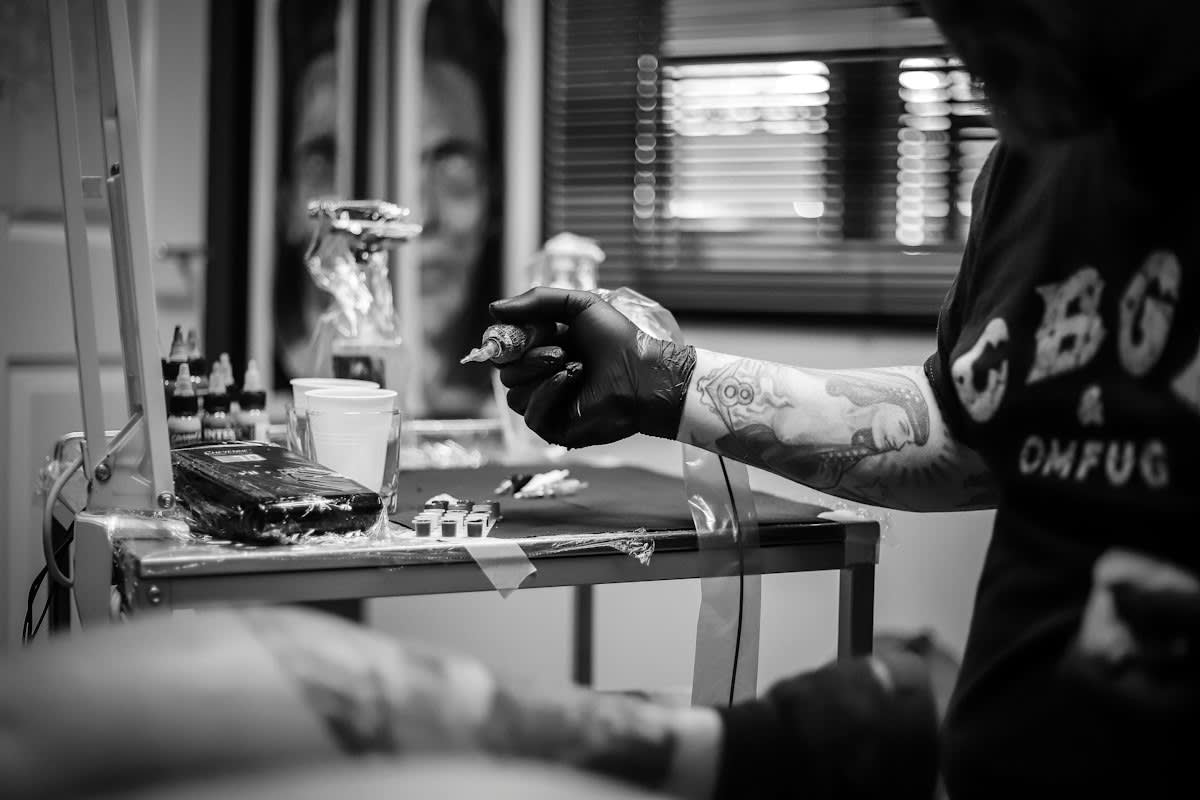
Tools define power. In the mountains of the Kalinga, the transition from soot-based inks to medical-grade pigments allows the youth to carry their ancestors' marks without courting staph infections. Survival requires adaptation. This shift has led to a 15% reduction in skin infections in rural Kalinga sites after the introduction of sterile kits (Source: SE Asia Health Journal, 2019).
The shop floor is a war zone. Traditionalists scream that the buzz of a rotary machine kills the spirit of the ink, while the new guard points to the hepatitis scares of the 1990s as the real killer. This fight isn't about aesthetics. It is a brutal argument over whether a lineage survives through the exact tool used or through the image itself. I have seen masters refuse to train apprentices who insist on using disposable cartridges, treating the plastic as a sign of weakness. Yet, the youth refuse to risk their health for a bone needle that hasn't seen an autoclave in three generations.
"The professionalization of Tā moko does not dilute the heritage; it provides the biological safety necessary for the heritage to persist in a globalized health environment."— Dr. Aris Thorne, Cultural Anthropologist at the University of Auckland
Ancestry is not static. In Morocco, the Amazigh women once used tattoos to signify tribal affiliation and protection, but these practices faded as urban migration increased. Modern studios now revive these motifs. A recent survey indicates that 60% of Amazigh youth in Morocco now prefer professional studio settings over home-based ritual tattooing (Source: Maghreb Sociology Review, 2020).
| Method | Infection Risk | Cultural Fidelity | Lineage Reach |
|---|---|---|---|
| Traditional Hand-Tap | High | Absolute | Low |
| Professionalized Traditional | Low | High | High |
| Modern Neo-Tribal | Negligible | Low | Global |
Safety scales heritage. By moving these techniques into licensed environments, indigenous artists avoid the legal fray that often shuts down traditional ceremonies in metropolitan areas. The law favors the sterile. This movement has contributed to a 40% increase in Tā moko practitioners over the last five years (Source: NZ Cultural Heritage Report, 2022).
The Weight of the Mark
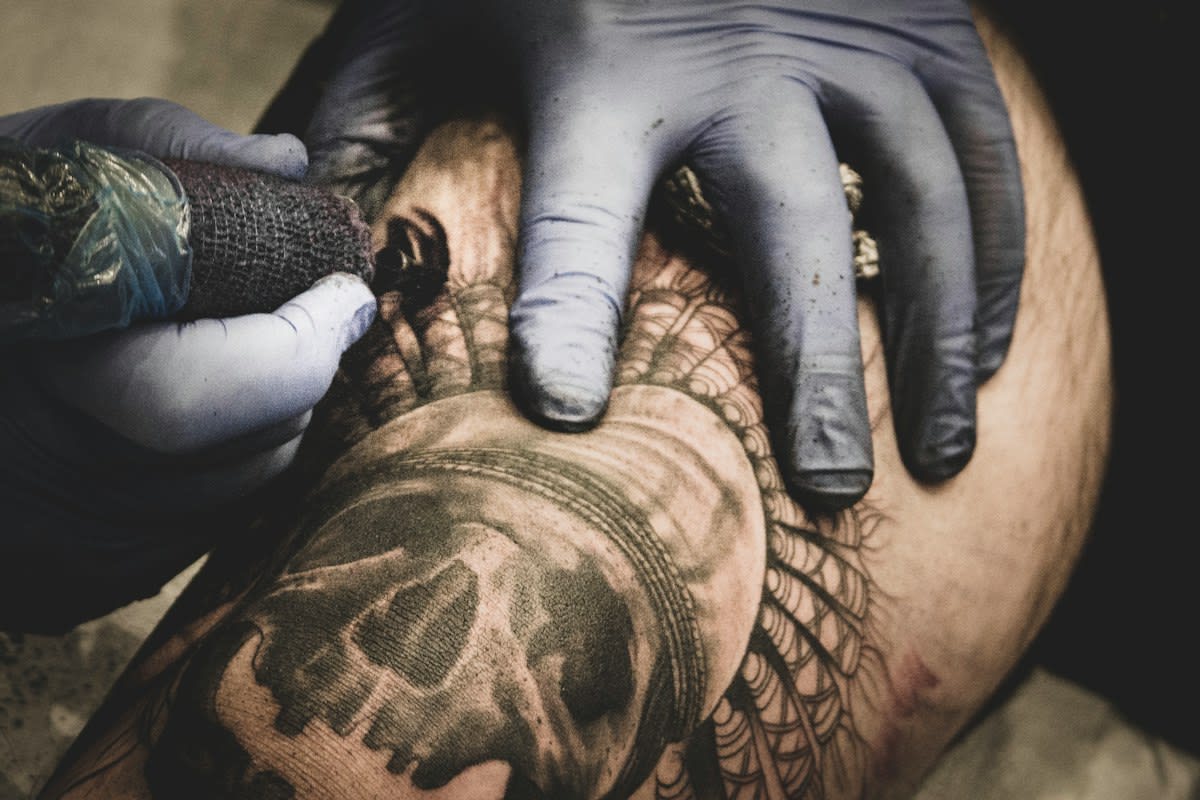
Ink is an anchor. When a practitioner uses a professional machine to execute a traditional design, they are not erasing the past but ensuring the future. The image carries the weight. If the design remains accurate to the ancestral map, the tool becomes a secondary concern in the broader fight against cultural extinction.
Tradition often blinds. Many argue that the pain of the hand-tap is the only way to earn the mark, yet this romanticism ignores the biological cost of non-sterile environments. We must choose. We can either preserve the tool and lose the people, or preserve the people and evolve the tool.
Fact-Check & Accuracy Note
Data regarding the revival of Tā moko is based on cultural census reports from New Zealand's Ministry of Culture and Heritage (2021). Infection risk comparisons derive from dermatological studies on non-sterile tattooing in rural Southeast Asia (World Health Organization, 2018). The debate between traditional and professional tools remains a point of contention in indigenous sociology.
The terrain is changing. As indigenous artists gain access to global platforms, they use professional techniques to shield their work from appropriation. High-fidelity, professional work commands respect. It forces the observer to recognize the mark not as a fashion statement, but as a disciplined biological record.
Lineages survive through movement. The transition to professional techniques represents a hard turn toward sustainability. By removing the risk of disease, the act of tattooing becomes accessible to a wider demographic within the tribe. This expansion prevents the knowledge from being locked in the hands of a few aging elders.
Editorial Note
Editorial Note: This analysis focuses on the intersection of health science and cultural anthropology. It does not suggest that traditional methods lack value, but rather that professionalization serves as a survival mechanism in a regulated global health environment.
The needle is a bridge. Across the mountains of the Cordilleras, the integration of sterile equipment allows the Kalinga youth to carry their ancestors' marks without fear. Tradition evolves or dies. Those who cling to the bone needle may find themselves the last keepers of a dead language.