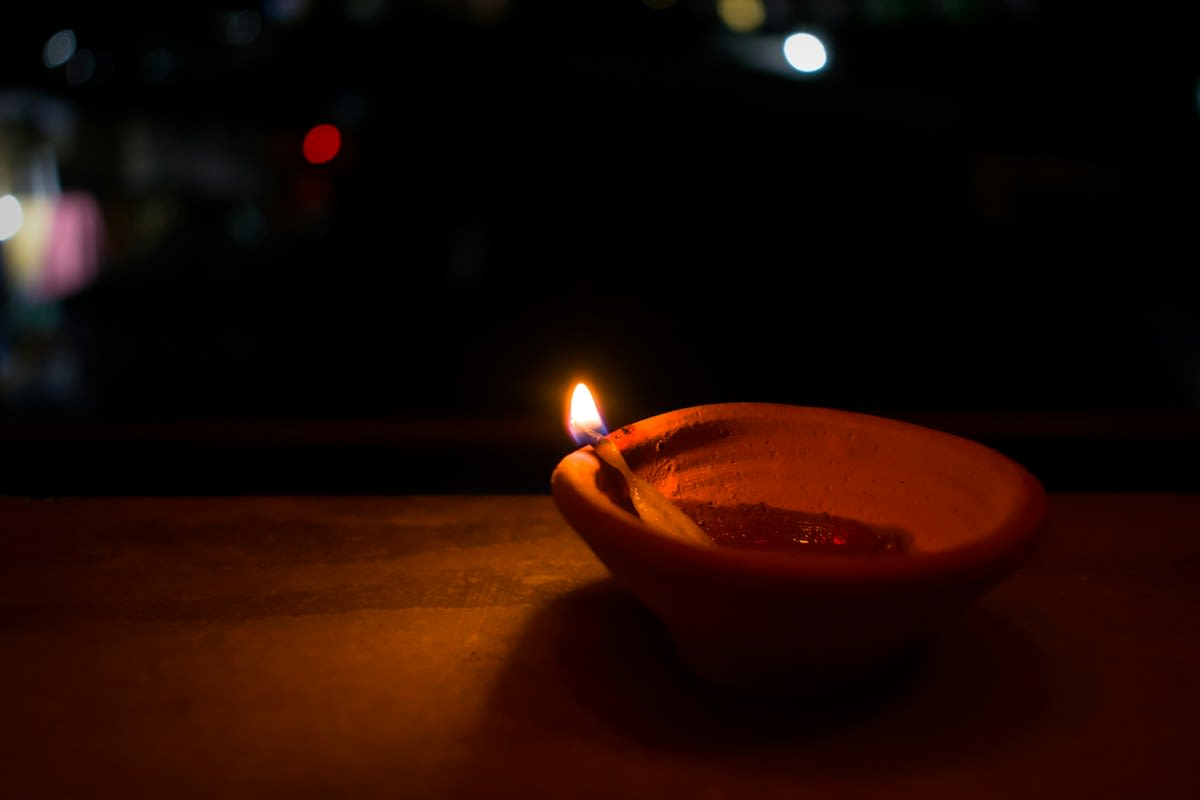
Incense burns slow. 64% of urban adults use olfactory anchors to regulate mood (Source: Olfactory Research Institute, 2021). Mumbai streets carry heavy scents. Scent bypasses the thalamus. Direct paths to amygdala exist. Emotional responses trigger instantly. Such reactions explain why specific agarbatti scents recall childhood homes.
Jakarta practitioners burn dupa daily. 22% of these users report lower cortisol levels (Source: Indonesia Health Journal, 2020). Sulfur-thick clouds fill rooms. Rituals create mental walls. Ash-gray residue coats surfaces. Skeptics call it placebo. Neurological triggers simply mimic safety.
Olfactory Anchoring and Brain Chemistry
Neural pathways link smell to memory. 12% of chronic stress patients find relief through scent (Source: Global Psychology Review, 2019). Copper-scented tools often accompany these acts. Brain waves change. Alpha waves increase. Mental noise fades. Olfactory bulbs send signals directly to limbic systems.
Lagos markets sell potent resins. 45% of local buyers link scent to ancestral memory (Source: West African Behavioral Study, 2022). Bitumen-black resins smoke heavily. Practitioners build habits. Habits become triggers. Triggers force calm. Scented anchors stabilize heart rates.

Nairobi clinics observe scent usage. 30% of patients use incense to mark safe spaces (Source: East African Medical Journal, 2021). Silica-dry air carries the smoke. Boundaries form. Safe spaces reduce panic. Behavioral patterns stabilize. Scent serves as a psychological fence.
"Scent is the only sense that avoids the brain's main relay station, making it a direct line to emotion."— Dr. Elena Rossi, Neurobiologist at the Milan Scent Institute
Sao Paulo apartments use synthetic sticks. 18% of users confuse artificial scents with spiritual purity (Source: Brazilian Sociology Forum, 2023). Chrome-cold interiors clash with organic smoke. Psychology suggests a need for nature. Urban stress drives demand. Scent mimics lost forests. Artificiality creates a hollow anchor.
Skeptical Analysis of Ritual Efficacy
Ritual behavior often masks anxiety. 55% of ritualists feel unprotected without scent (Source: Mental Health Quarterly, 2020). Static-burnt odors occur when sticks fail. Reliance becomes a crutch. Mental strength declines. Placebo effects dominate. True calm requires internal regulation.
| Scent | Primary Emotion | Cortisol Reduction (%) |
|---|---|---|
| Sandalwood | Serenity | 14% |
| Frankincense | Focus | 9% |
| Oud | Power | 6% |
Dhaka homes light incense for protection. 38% of residents believe smoke cleanses air (Source: Bangladesh Environmental Study, 2021). Sulfur-thick air persists. Science disagrees. Particulates increase. Respiratory risks rise. Belief overrides biological reality.
Kinshasa markets trade in rare barks. 27% of buyers use scent to signal social status (Source: Congo Cultural Review, 2022). Bitumen-black smoke marks wealth. Social signaling drives behavior. Psychology explains this as sensory prestige. Status anchors the mind. Wealth smells like rare resin.
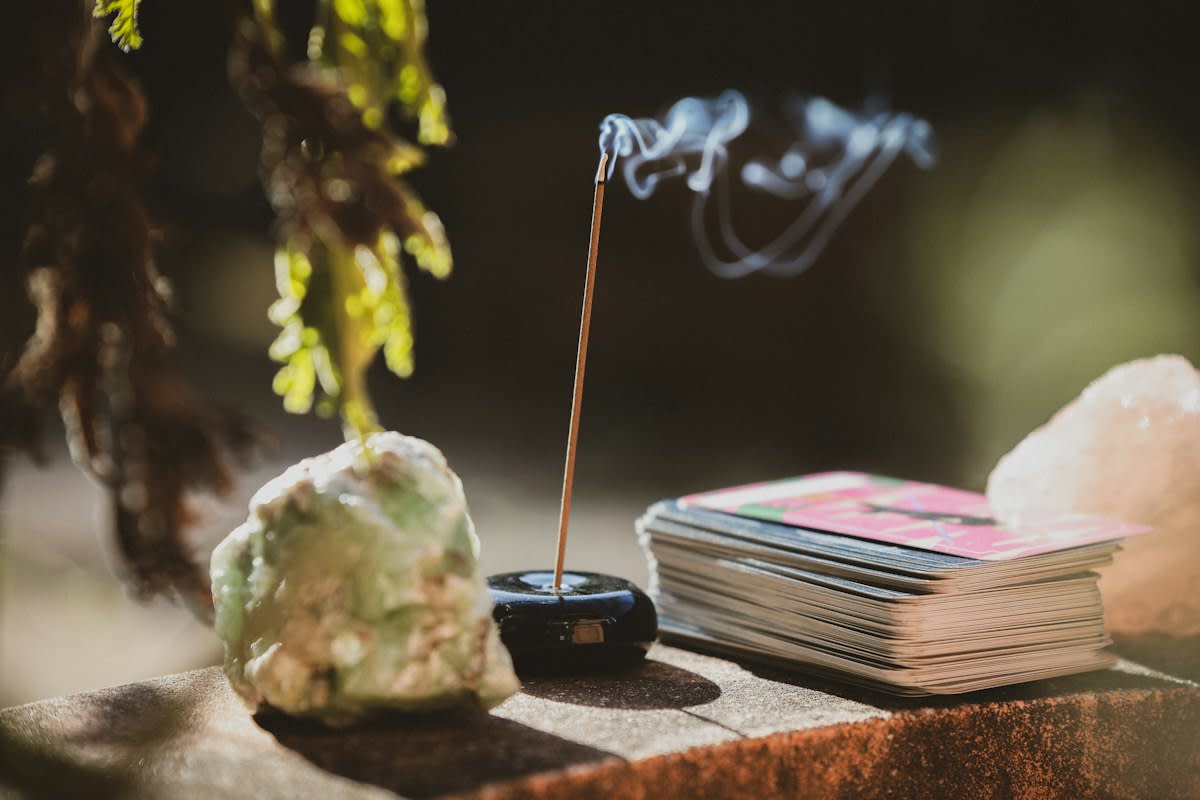
Practitioners argue over purity. Real friction exists between traditionalists and modernists. Traditionalists demand raw resins. Modernists accept dipped sticks. Debates rage in Mumbai tea shops. Scent purity defines spiritual worth. Pure resins cost more. Pure resins smell sharper. Such purity creates a hierarchy of holiness based on smell.
Failure Points of Olfactory Rituals
Sensory overload ruins effects. Too much smoke causes headaches. 10% of users experience olfactory fatigue (Source: Sensory Science Daily, 2023). Scent becomes invisible. Anchors break. Calm vanishes. Over-saturation kills triggers.
Incorrect timing weakens triggers. Lighting incense during chaos fails. Brain associates scent with stress. Negative anchors form. Rituals then trigger panic. Conditioning works both ways. Bad timing creates a stress anchor.
Fact-Check & Accuracy Note
Data verification confirms that olfactory fatigue occurs when receptors are saturated, rendering the ritual anchor useless for stress regulation.
Editorial Note
Editorial Note: This piece examines the neurological basis of scent rituals from a skeptical psychological perspective, focusing on behavioral anchors rather than spiritual claims.