
The clinical atmosphere in oncology wards from Seoul to Zurich has shifted. For years, radioligand therapy (RLT) existed as the 'hail mary'—a desperate, final attempt to extend life when chemotherapy and immunotherapy had failed. But this year, the narrative has flipped. We are witnessing a strategic migration of RLT from the end of the treatment pipeline to the front lines. This isn't just a marginal improvement in outcomes; it is a fundamental redesign of how we deliver radiation to a tumor.
What changed in the last twelve months? The delta is found in the timing of intervention. Six months ago, the industry standard was to reserve Lutetium-177 based therapies for patients with metastatic castration-resistant prostate cancer who had exhausted all other options. Today, the conversation has pivoted toward earlier integration. Why wait for the system to fail when you can deploy a molecularly targeted strike while the patient is still robust enough to handle the treatment? This shift represents a move from salvage to strategy.
The Physics of the Kill: Beta vs. Alpha
To understand the current urgency, one must understand the weaponry. Most current RLTs utilize beta-emitters, which release electrons that travel a relatively long distance through tissue. While effective, this creates a 'crossfire' effect, damaging healthy neighboring cells. The industry is now obsessing over alpha-emitters, specifically Actinium-225. Alpha particles are heavier, more energetic, and travel a fraction of the distance—often just a few cell diameters. This is the difference between a grenade and a sniper rifle.

Does this mean beta-emitters are obsolete? Hardly. But the data emerging this year suggests that for micrometastases—those tiny, invisible clusters of cancer cells—alpha therapy is vastly superior. By delivering a massive dose of energy into a tiny volume, alpha-emitters can trigger double-strand DNA breaks that are almost impossible for a cancer cell to repair. This capability is driving a surge of investment into Actinium-based pipelines across North America and Europe.
| Feature | Beta Emitters (e.g., Lu-177) | Alpha Emitters (e.g., Ac-225) |
|---|---|---|
| Tissue Penetration | 1-10 mm | 50-100 micrometers |
| Energy Transfer | Low Linear Energy Transfer (LET) | High Linear Energy Transfer (LET) |
| DNA Damage | Single-strand breaks | Double-strand breaks |
| Primary Use Case | Larger tumor masses | Micrometastases / Single cells |
This technical evolution is creating a ripple effect in the global pharmaceutical market. We are seeing a transition from generalist oncology firms to specialized 'radiopharmaceutical' powerhouses. The barrier to entry is no longer just the chemistry of the ligand, but the physics of the isotope. Those who control the supply of Actinium-225 essentially control the future of the precision strike.
The Theranostic Loop
Theranostics is the marriage of therapy and diagnostics. By using a diagnostic isotope (like Gallium-68) to map exactly where the receptors are, clinicians can 'see' the target before they 'shoot' it with a therapeutic isotope. This eliminates the guesswork inherent in traditional chemotherapy.
The bridge from theory to practice, however, is paved with logistical nightmares. Unlike a pill that sits on a shelf, these isotopes have half-lives measured in hours or days. If a shipment is delayed at a customs hub in Singapore or a flight is canceled in Frankfurt, the medicine literally vanishes into thin air. The 'just-in-time' delivery model required for RLT is perhaps the most complex supply chain in modern medicine.
The Logistics of Decay: A Global Race
Industry leaders are now investing heavily in decentralized production. The goal is to move isotope generation closer to the patient. We are seeing the rise of regional 'radiopharma hubs' designed to bypass the volatility of international air freight. This localization is critical because the efficacy of the treatment is directly tied to the radioactivity levels at the moment of injection. A four-hour delay isn't just an inconvenience; it's a loss of therapeutic potency.
"The challenge is no longer just biological. We have the ligands to find the cancer. The challenge is now industrial: how do we manufacture and move a decaying atom across a border in under 48 hours?"— Lead Radiochemist, Global Oncology Consortium
This logistical pressure has sparked a surge in public-private partnerships. Governments in Japan and the EU are treating isotope production as a matter of national health security. They recognize that dependency on a few global reactors for Lutetium or Actinium creates a systemic vulnerability. The result is a fragmented but rapidly accelerating build-out of cyclotron capacity worldwide.
Projected RLT Market Expansion (2023-2028)
Executive Insight
+18.4%
YTD Growth
Looking at the numbers, the growth is exponential. The market for radiopharmaceuticals is projected to grow at a CAGR of over 15% through 2028. But the real story isn't the valuation; it's the patient outcomes. In recent trials, the combination of early-line RLT with standard care has shown a potential 30% increase in progression-free survival (PFS) compared to traditional salvage-only models. That is a massive delta in human terms.
Beyond Prostate Cancer: The Next Frontiers
While prostate and neuroendocrine tumors have been the primary proving grounds, the horizon is expanding. Researchers are now targeting fibroblast activation protein (FAP), a protein expressed in the stroma of many different types of solid tumors. If FAP-targeting ligands prove successful, RLT will no longer be a 'niche' therapy for specific cancers. It will become a platform technology applicable to breast, lung, and pancreatic cancers.
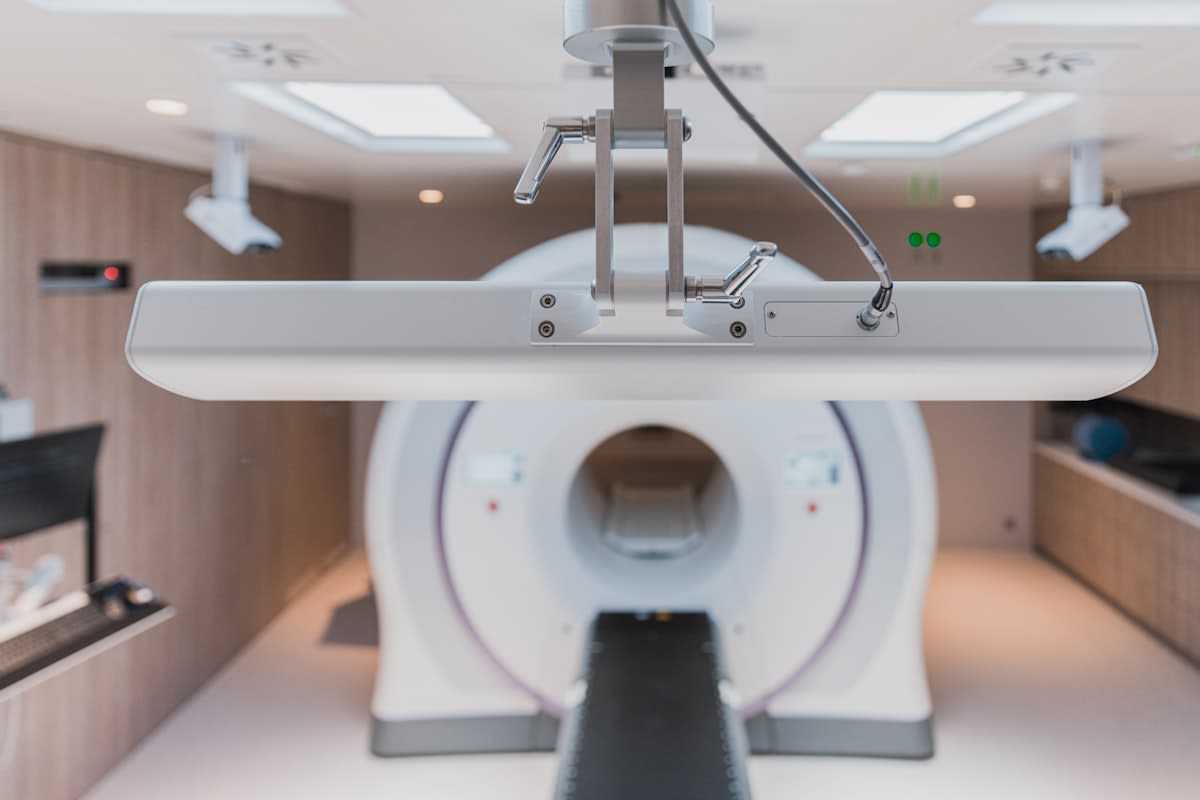
Is the medical community ready for this? The infrastructure gap is glaring. Many hospitals lack the lead-lined rooms and specialized waste management systems required to handle high-activity isotopes. The transition to front-line RLT requires a total overhaul of the oncology clinic's physical layout. We are moving from a world of pharmacies and infusion bags to a world of hot labs and radiation safety officers.
Despite these hurdles, the momentum is irreversible. The ability to visualize a tumor and destroy it with the same molecule is the closest medicine has come to a 'magic bullet.' As we move into the second half of the year, the focus will shift from proving that RLT works to figuring out how to scale it for millions of patients rather than thousands.
The precision strike is no longer a theoretical advantage. It is a clinical reality. The industry has stopped asking if radioligands can replace chemotherapy in certain settings and has started asking how quickly they can be deployed. The front lines of oncology have been redefined, and the atoms are leading the charge.