Karnataka: Energy Department forms Crisis Management Group to monitor power supply, demand daily
Source Entity
India Latest News: Top National Headlines Today & Breaking News | The Hindu
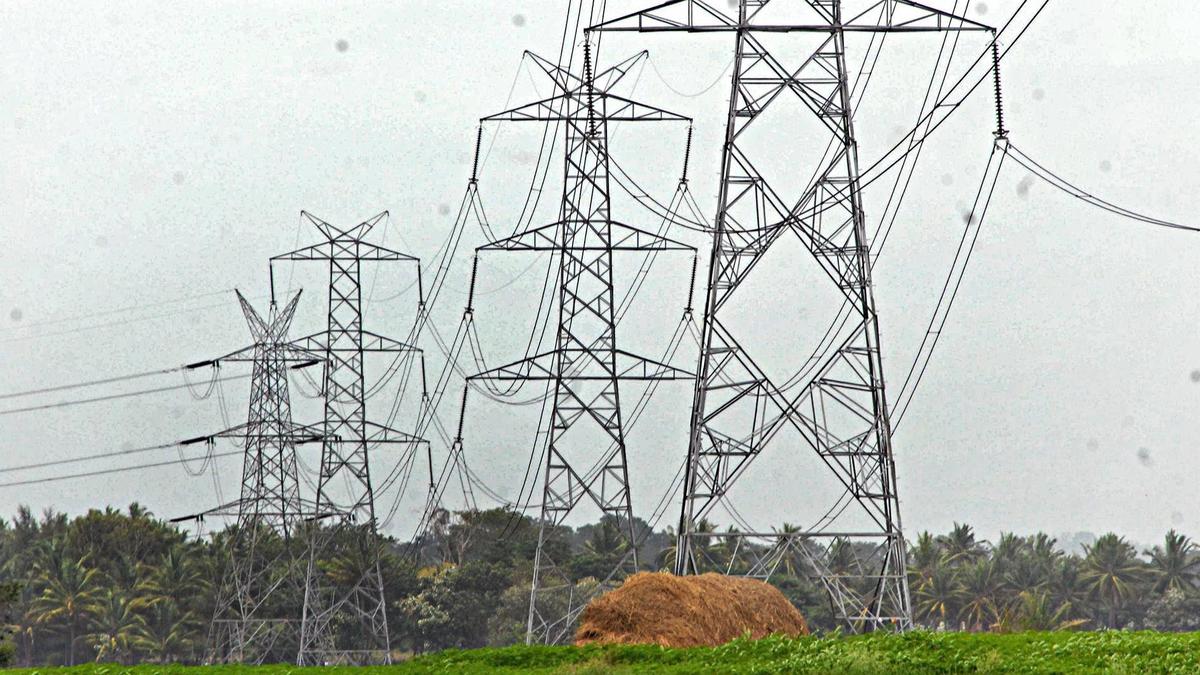
The Karnataka Energy Department has formed a Crisis Management Group to handle rising electricity demand caused by deficient rainfall and high temperatures. This initiative aims to ensure consistent power supply across both urban and rural regions through daily monitoring.
Karnataka Energy Department Acts to Stabilize Power Grid
In a proactive move to address the mounting pressures on the state's electricity infrastructure, the Karnataka Energy Department has officially constituted a Crisis Management Group. This decision comes as the state grapples with a precarious energy landscape characterized by a significant surge in power demand, exacerbated by unseasonably high temperatures and deficient rainfall recorded in September 2026. By establishing a dedicated task force, the government aims to centralize decision-making and ensure that both urban and rural regions maintain consistent access to power.
The Impact of Climatic Volatility
The necessity for this Crisis Management Group is rooted in the direct correlation between meteorological patterns and energy consumption. September 2026 presented a unique challenge for Karnataka, as above-normal temperatures drove up air conditioning and refrigeration usage, while simultaneously, inadequate rainfall negatively impacted hydroelectric power generation capacity. This dual-threat scenario often leads to a supply-demand mismatch, necessitating the rigorous, daily oversight now being implemented by senior officials to prevent grid strain.
Structural Response and Oversight
The formation of this group represents a shift toward real-time governance in the energy sector. By mandating daily reviews of electricity availability, the Energy Department is moving beyond reactive troubleshooting to a model of constant vigilance. The group, which includes key personnel such as the Director (Projects), is tasked with the granular analysis of load distribution, ensuring that rural areas—which are often vulnerable to supply cuts during peak demand—are not disproportionately affected by the current energy constraints.
Ensuring Continuity in Urban and Rural Sectors
A primary objective of this administrative intervention is to bridge the gap in service reliability between Karnataka’s developed urban centers and its expansive rural districts. Historically, rural electrification efforts can suffer when grid stress occurs, leading to localized outages. The new management framework is explicitly designed to monitor these disparities, ensuring that the burden of energy management is shared equitably and that essential services, agricultural operations, and residential needs are protected from systemic disruptions.
Broader Implications and Future Strategy
Looking forward, the reliance on a dedicated Crisis Management Group suggests that the Energy Department is preparing for a future where climate-induced energy volatility may become the new norm. By institutionalizing daily monitoring, the state is building a data-rich foundation that will likely inform future investments in grid resilience and energy diversification. As Karnataka continues to grow as an industrial and technological hub, the ability to manage power supply effectively under duress will remain a critical component of its socioeconomic stability.
Conclusion
In summary, the Karnataka Energy Department’s establishment of the Crisis Management Group is a strategic response to the immediate threats posed by environmental factors in September 2026. By prioritizing daily oversight and inter-departmental coordination, the state is taking necessary steps to safeguard its power grid. As the situation evolves, the effectiveness of this group will be measured by its ability to maintain seamless electricity delivery across the state, ensuring that neither economic productivity nor public welfare is compromised by the ongoing energy crisis.
Verification Required?