UPSC Key: Gross Domestic Product, Enemy State and Impeachment
Source Entity
Priya Kumari Shukla
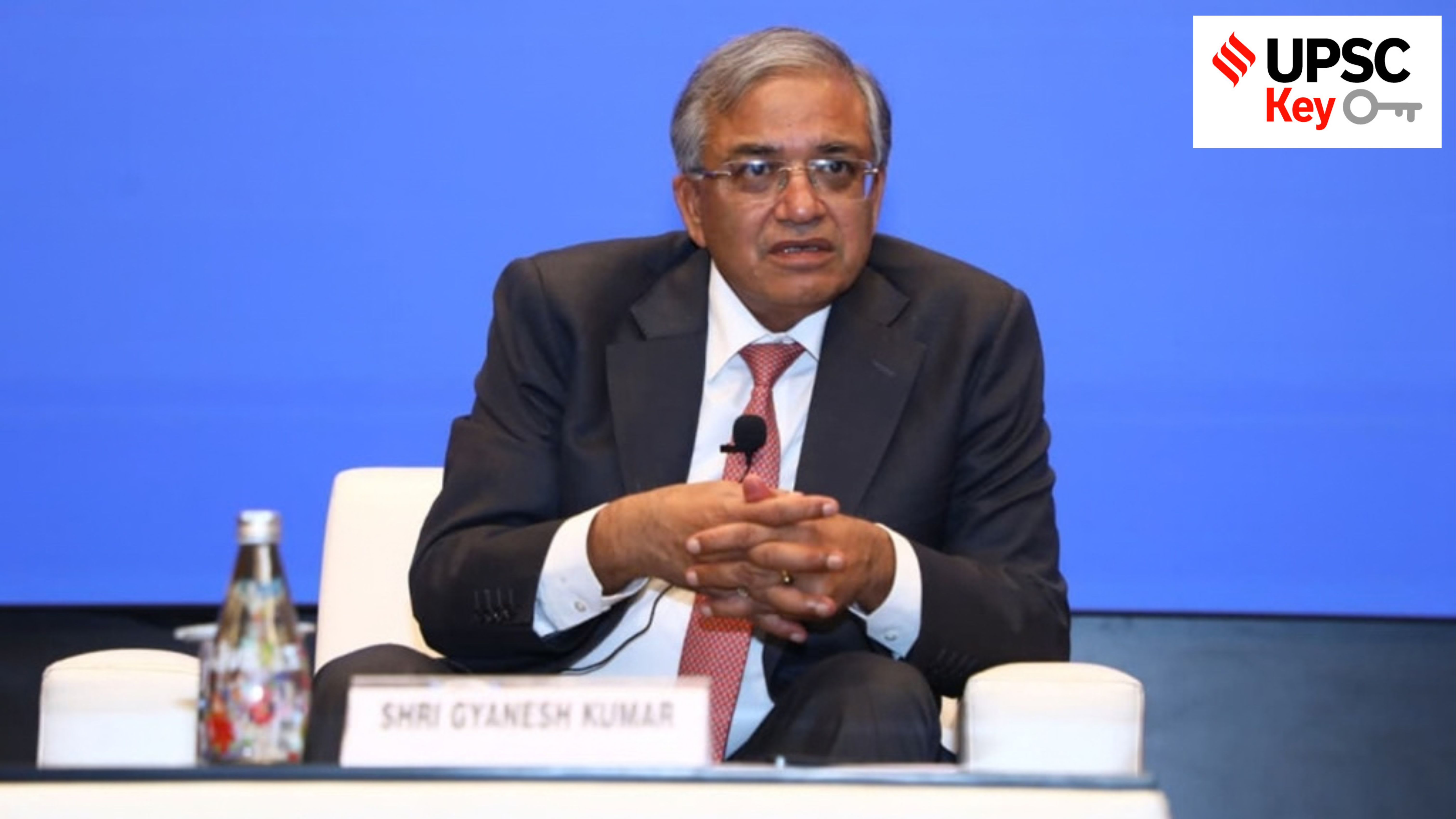
JPMorgan CEO Jamie Dimon projects India's economy could triple in size over the next decade. This forecast highlights key economic concepts critical for UPSC aspirants, including GDP and long-term growth strategies.
Economic Expansion: The Path to Tripling India's GDP
Recent statements by Jamie Dimon, Chairman and CEO of JPMorgan Chase & Co., have ignited significant discourse regarding India's economic trajectory. Dimon’s projection—that India has the potential to triple its Gross Domestic Product (GDP) within the next decade—serves as a focal point for both global investors and academic observers, particularly within the context of the UPSC Civil Services Examination (CSE) syllabus.
Understanding the Macroeconomic Foundations
For aspirants preparing for the Preliminary Examination under the 'Economic and Social Development' category, and the Main Examination under 'General Studies III,' the core of this analysis lies in understanding the mechanics of GDP. As the primary indicator of economic health, GDP measures the total value of goods and services produced within a country's borders. Analyzing a potential tripling of this figure requires a deep dive into the mobilization of resources, infrastructural development, and the role of institutional policy in sustaining long-term growth.
The Role of Investment and Policy
Dimon’s optimism is rooted in the broader narrative of India’s emergence as a global economic powerhouse. To achieve such an aggressive growth target, India must navigate complex challenges, including employment generation, sectoral diversification, and the efficient allocation of capital. The UPSC curriculum emphasizes these very issues, requiring students to correlate theoretical economic concepts with real-world scenarios, such as foreign direct investment (FDI) and institutional leadership.
Strategic Implications for UPSC Aspirants
As students engage with these topics, it is essential to distinguish between nominal and real GDP, as well as the nuances of growth versus development. The 'Key Points to Ponder'—such as the definition of GDP and the comparative analysis of economic indicators—provide the foundational framework for answering complex questions on the GS III paper. Understanding the interplay between private sector leadership and government policy is crucial for analyzing how a national economy scales over time.
Historical Context and Future Trends
Historically, India has demonstrated resilience through various economic reforms, moving from a closed economy to a more integrated global participant. Predicting a tripling of the economy requires looking at past growth rates and identifying the structural bottlenecks that need to be addressed. As the country moves toward this potential, the focus on sustainable development and inclusive growth will remain paramount for policymakers and civil servants alike.
Concluding Perspectives
In conclusion, the discourse surrounding India’s economic future is not merely speculative but serves as an essential case study for those analyzing development and planning. By evaluating the requirements for such rapid expansion, students and observers alike gain a clearer understanding of the challenges inherent in national economic growth. The focus remains on how India manages its vast resources to meet the ambitious benchmarks set by global economic leaders.