The Mining Wall
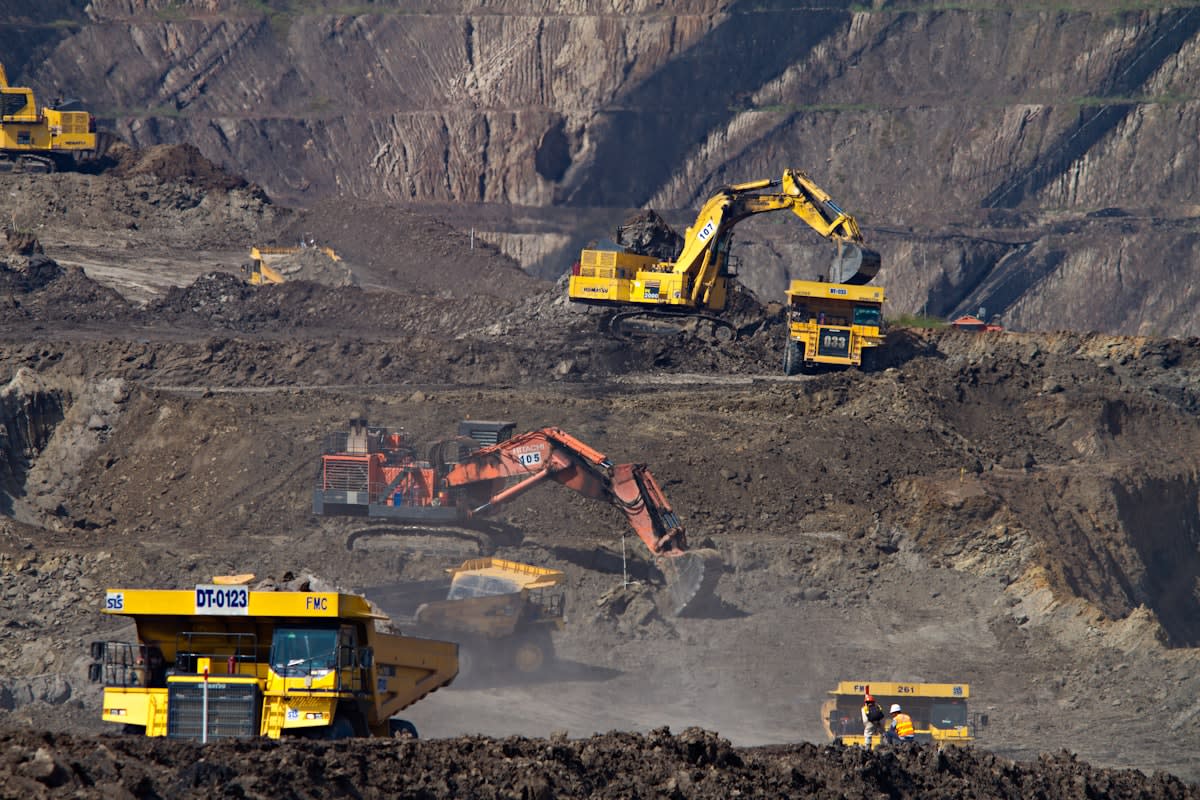
Mining is the new wall. CATL reports that refining is no longer the primary hurdle for battery production. Jiang Li explicitly identifies raw material procurement as the critical failure point for the industry.
"Processing is not the bottleneck, but mining is"— Jiang Li, Vice President of CATL
China currently maintains a stranglehold on refining. Ford Motor Co. previously warned that processing was the main constraint. Recent data suggests the crisis has moved upstream to the dirt itself.
Australia is fighting back. The federal government poured $45 million into Sicona Battery Technologies this week. Port Kembla will host a 300x production scale-up for silicon-based anodes.
Sovereign Strategy
This investment targets a reduction in reliance on offshore processing by establishing midstream capabilities within Australian borders.
Local realities diverge sharply. While Port Kembla builds silicon capacity, CATL is establishing a dedicated mining unit. They have tapped Chen Jinghe, founder of China's largest metals miner, to secure the supply chain.
| Material | Strategic Driver | Primary Application |
|---|---|---|
| Lithium | Upstream Mining Access | EVs and Smartphones |
| Sodium | Lithium Price Volatility | Low-cost Battery Alternatives |
| Zinc | Grid Stability | Utility-scale Storage |
| Silicon | Sovereign Manufacturing | High-performance Anodes |
Chemistry is reacting to cost. High lithium prices trigger a surge in sodium-ion battery production. Manufacturers are no longer wedded to a single element.
Diversification as Defense
Zinc-ion batteries are entering the forecast for 2035. These systems target grid infrastructure and data-center projects. Industrial backup is the primary entry point for this chemistry.
Electrochemistry is offering an escape. Researchers at the University of Chicago are using lithium cobalt oxide to filter lithium from saline water. This process uses electric currents to force ions into host materials.
Mimicry between lithium and sodium ions remains the chief technical obstacle. Asymmetric pathways are being developed to isolate lithium with precision. Such breakthroughs could render traditional mining less critical.