
The obsession with the pristine, emerald-green lawn is a relic of an era that valued control over ecology. We have spent decades treating our backyards as outdoor living rooms, scrubbing them clean of 'weeds' and fighting a constant war against the local flora. It is an exhausting cycle of intervention and manipulation. Why do we insist on spending our weekends fighting a battle against biology? The shift toward regenerative landscapes isn't just a trend; it is a necessary pivot toward resilience. By designing with nature rather than against it, we can transform sterile plots into thriving hubs of biodiversity that actually take care of themselves.
Prerequisites: What You Will Need
- A site map of your property including sunlight patterns and water runoff points.
- A list of native plant species specific to your ecoregion (consult local botanical gardens).
- Basic soil testing tools to determine pH and organic matter levels.
- A mindset shift: the willingness to accept a 'wilder' aesthetic over a manicured one.
- Minimal tools: a spade, a rake, and a high-quality pair of pruning shears.
Before you dig a single hole, you must understand the core philosophy of permaculture: observation. Most homeowners rush into planting without understanding the existing flow of their land. Where does the water pool after a heavy rain? Which corners of the yard remain in deep shade throughout July? By observing these patterns, you can place plants where they naturally want to thrive, reducing the need for artificial irrigation or chemical fertilizers. This approach transforms the gardener from a micromanager into a facilitator of natural processes.
The Implementation Process
- Audit your current landscape. Identify 'wasted land' or urban fallows—those neglected corners of the yard that can be converted into wildlife corridors.
- Restore the soil microbiome. Instead of synthetic fertilizers, focus on soil biodiversity. As highlighted at the Global Soil Biodiversity Conference in British Columbia, healthy soil is the foundation of any regenerative system. Use composting and mulching to feed the underground network of fungi and bacteria.
- Phase out the lawn. You do not have to rip everything up at once. Start by converting the edges of your yard to native meadows or 'no-mow' zones, gradually shrinking the manicured area.
- Introduce native flora. Select plants that provide food and shelter for local pollinators. Avoid the temptation to import exotic species that may become invasive in your specific region.
- Establish vertical habitats. Use climbers and trellises to maximize space, but be strategic about how they attach to your home to avoid structural damage.
- Implement a low-intervention maintenance schedule. Shift from a weekly mowing routine to a seasonal observation and pruning cycle.
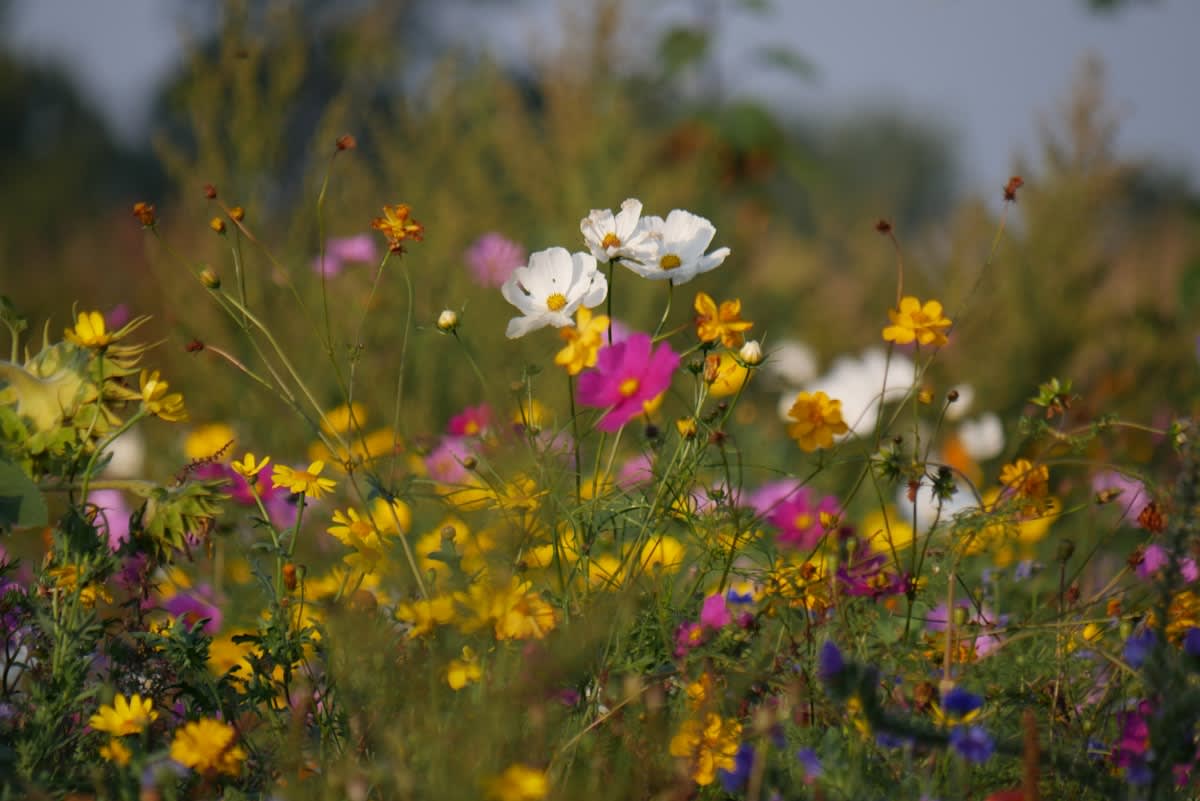
Soil is not just dirt; it is a living organ. When we rely on constant manipulation and chemical inputs, we kill the very biodiversity that allows a garden to sustain itself. The insights from the Global Soil Biodiversity Conference remind us that the sustainability of our soils is directly linked to the sustainability of our food and air. By fostering a rich soil microbiome, you create a sponge-like earth that retains water more efficiently and resists pests naturally. This reduces your reliance on external inputs and lets the landscape do the heavy lifting.
Strategic Plant Selection and the 'Ivy Trap'
Vertical gardening is a powerful tool for cooling homes and increasing habitat density, but it comes with a warning. Many homeowners instinctively reach for ivy to cover a blank wall. While aesthetically pleasing, certain types of ivy use suckers that can penetrate rendering and destroy the structural integrity of a building. The goal is to find non-invasive, native alternatives that provide the same cooling benefits without eating your house. In regions like Australia, for example, selecting the right native climber is critical to avoid introducing species that could disrupt the local balance.
"We need regenerative landscapes, not landscapes that rely on constant intervention and manipulation."— Insights from the Global Soil Biodiversity Conference
Rewilding your own yard is a start, but the real magic happens when these spaces connect. A single backyard is an island; a network of rewilded yards is a corridor. Initiatives like Urban Outdoors, which focuses on place-based partnerships in cities, demonstrate that urban conservation is most effective when it is community-driven. By coordinating with your neighbors to plant similar native species, you create a seamless pathway for pollinators and birds to move through the urban environment, effectively turning a city into a living forest.
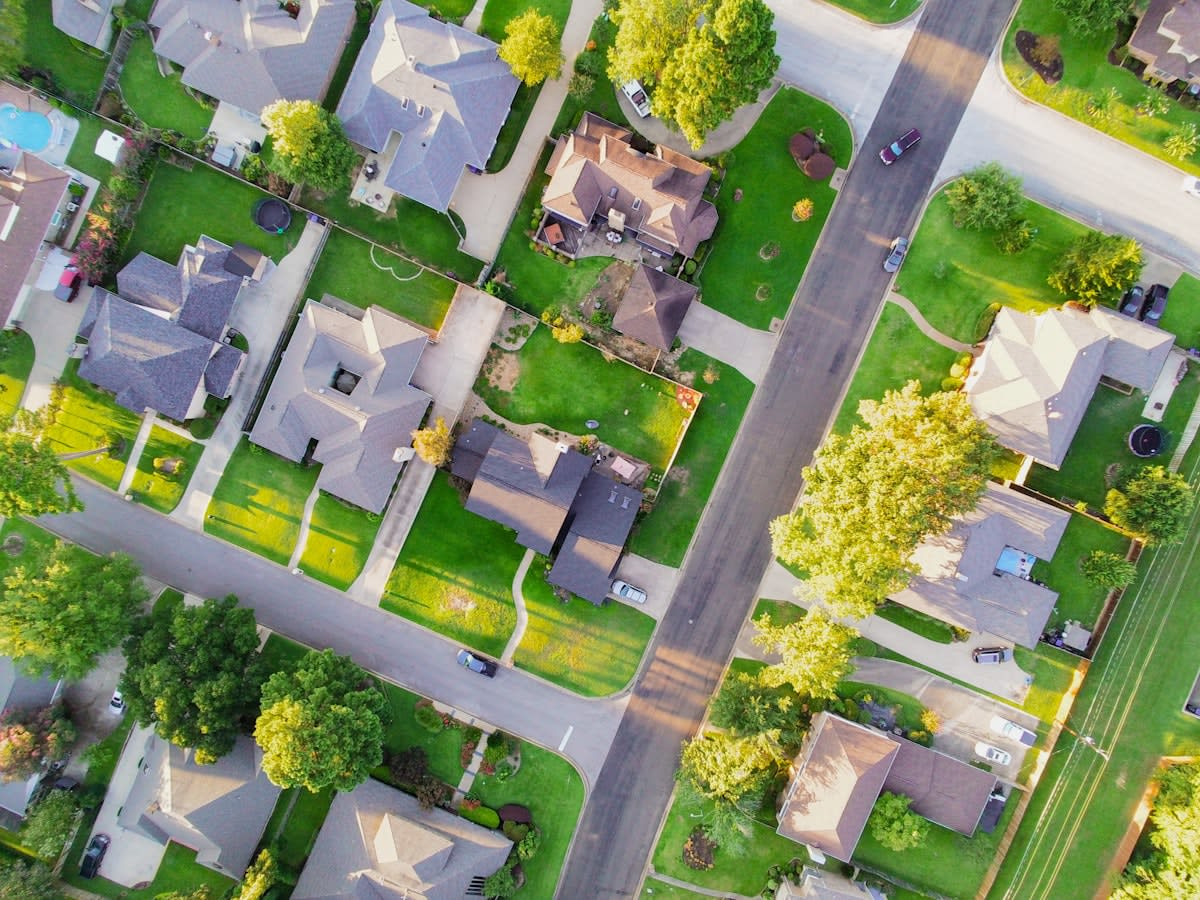
Global biodiversity varies wildly, and your approach must reflect your specific geography. In Tasmania, you might be designing for the unique presence of bumble bees, whereas in other parts of the mainland, the focus shifts to different native pollinators. The principle remains the same: identify the key species that are missing from your local landscape and provide the specific habitat they need to return. This localized precision is what separates a generic garden from a truly regenerative ecosystem.
Common Pitfalls to Avoid
- Over-planting: Cramming too many species into a small space can lead to competition and failure. Let the plants find their own equilibrium.
- The Ivy Mistake: Using aggressive climbers that damage masonry and rendering.
- Fear of the 'Weed': Pulling out native pioneer species that are actually preparing the soil for later-stage plants.
- Ignoring Water Flow: Planting water-loving species in a dry patch, leading to a dependency on artificial irrigation.
- Lack of Patience: Expecting a fully functioning ecosystem in one season. Rewilding is a multi-year journey.
The scale of this effort might seem small, but the cumulative impact is staggering. According to UN data, forests cover nearly 31 per cent of the world and house over 80 per cent of all terrestrial species. When we lose these habitats, we don't just lose beauty; we lose economic stability. Earth's ecosystems contribute to over half of global GDP. By rewilding your backyard, you are contributing to a global network of resilience that supports the very biological infrastructure our global economy depends on.
The Economic Edge
Ecosystems aren't just 'nice to have'—they are economic engines. With over 50% of global GDP tied to the health of our natural world, every native plant you put in the ground is a micro-investment in global stability.