
The Myth of the Internal Mind
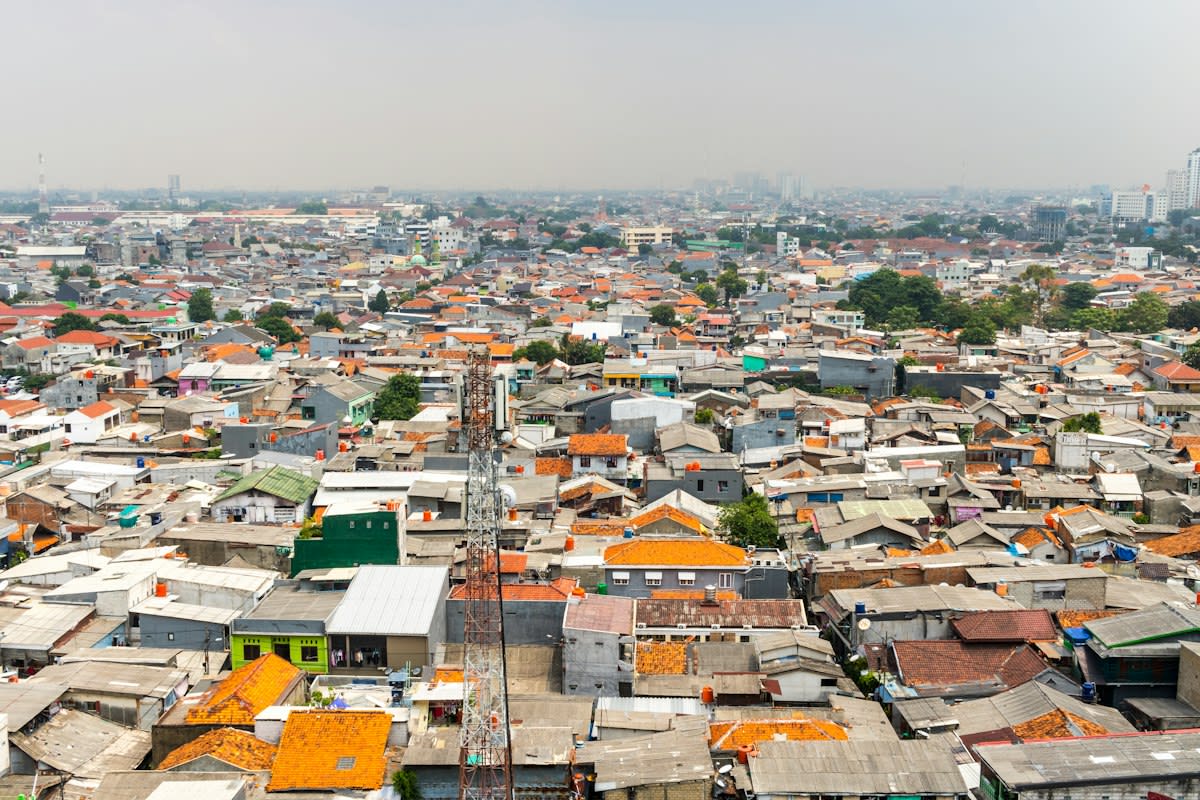
Memory is not internal. We pretend that the brain operates in a vacuum, yet the very air we breathe and the sounds we ignore dictate the strength of our synaptic connections. The environment writes the code. In the steep, dense alleys of a Brazilian favela, the cognitive load of navigating high-stress zones actually alters how the brain stores spatial data. Biology is a mirror. When we look at the resident of a marginalized urban zone, we are seeing the biological result of a collision between human cognition and a terrain that actively erodes the capacity for focus.
The city fails us. While planners argue that concrete grids optimize the flow of people, the biological reality suggests that our neural pathways atrophy when severed from organic soundscapes. Biology demands a different map. Noise is a thief. According to research on restorative soundscapes, the specific tasks we perform—such as verbal recall or sustained attention—determine whether our brains can actually recover from urban depletion (Source: npj Acoustics, 2026). Quiet is a luxury. The inability to find sonic refuge in the city is not a psychological failing, but a mechanical failure of urban design that starves the brain of its needed recovery windows.
The Urbanome Framework
Air is a drug. The URBANOME framework links urban interventions directly to molecular outcomes, proving that the street we walk on changes our blood chemistry. Health is a geography. Environmental factors account for an estimated 13% of all deaths in the European Union, with ambient air pollution alone responsible for approximately 400,000 premature deaths per year (Source: IMEDSOURCE, 2026). This is not local. Whether in the EU or the margins of Rio, the pollution-related differences in forced vital capacity (FVC) show a clear attenuation in neighborhoods where exposure is highest, effectively suffocating the brain's oxygen supply.
Stress is a weight. By implementing agent-based population exposure modeling and multi-omics analyses, researchers found that self-reported air-pollution annoyance and sleep-related breathing problems decrease when specific urban interventions are applied (Source: IMEDSOURCE, 2026). The body remembers. When the air clears, the cognitive fog lifts. This is not a mere feeling, but a measurable shift in transcriptomics and metabolomics that allows the brain to exit a state of chronic survival and enter a state of recall.
"The molecular health of a resident is a mirror of the street they walk on every day, linking urban interventions to the very way our genes express themselves in response to stress."— Urban Living Labs Framework, IMEDSOURCE
Data drives the shift. To understand the scale of this impact, we must look at how different interventions move the needle on human performance. Memory is the metric. Biophilic indoor interventions—adding natural elements to sterile spaces—produce approximately 14% short-term working-memory gains (Source: npj Acoustics, 2026). This is a start. However, the magnitude of these gains depends heavily on whether the cognitive depletion was induced experimentally or occurred naturally over a lifetime of urban struggle.
| Intervention Type | Molecular/Physiological Marker | Cognitive Outcome |
|---|---|---|
| Urban Greenery | Reduced FVC attenuation | 14% Working-Memory Gain |
| Soundscape Restoration | Cortical/Neuroendocrine shift | Improved Verbal Recall |
| Lifestyle Modification | Gut Microbial Diversity | Reduced Intestinal Stress |
The gut is linked. Industrialized lifestyles are changing our internal bacteria in ways that ripple upward to the brain. We are ecosystems. A study of 1,015 adults across 12 countries revealed that the transition to densely populated urban areas alters gut microbial composition and host mucosal immunity (Source: Cell/News-Medical, 2026). This is the root. When the microbiome is stressed by the poor diet and high pollution of a favela, the resulting intestinal stress creates a biological barrier to cognitive restoration.
Biology is not static. We can rewrite these patterns through a structural break in how we build cities. The map is key. Using map-based questionnaires (MBQ), researchers have identified specific geographical places that act as 'restorative' zones for older adults (Source: Frontiers in Psychology, 2026). These are anchors. When a person can identify a place of restoration, their spatial movement trajectories change, and their emotional perception of the environment shifts from one of threat to one of safety.
The feud is real. Molecular biologists argue that we cannot fix memory without first scrubbing the air and the gut microbiome, while urban planners want to simply plant a few trees and call it a win. Science is often tribal. I have seen this clash. In the boardrooms where urban interventions are funded, the debate usually boils down to whether a 14% gain in working memory justifies the cost of a total neighborhood overhaul. Money dictates the biology.
Nature is the cure. The biodiversity of an area is not just a luxury for birdwatchers, but a requirement for human sanity. Site variation matters. In Metazoa datasets, the site accounted for 15.4% of variation in COI, proving that the specific biological makeup of a location dictates the health of the resident (Source: bioRxiv, 2026). We are tied. If the local biodiversity collapses, the human capacity for cognitive recovery collapses with it.
Recall is a skill. When we design the favela of the future, we must treat the soundscape as a medical intervention. Focus is a resource. The combination of river videos and natural sound is the only intervention that consistently restores verbal memory in high-stress environments (Source: npj Acoustics, 2026). This is the blueprint. By integrating these sonic anchors into the urban fabric, we can effectively rewire the memory of a population that has been told to forget their own worth.
Fact-Check & Accuracy Note
The URBANOME framework relies on a mixture of self-reported data (such as air-pollution annoyance) and objective clinical measures like spirometry and blood pressure. A key area of academic debate remains whether self-reported annoyance is a reliable predictor of molecular health outcomes or if it merely reflects a psychological response to urban decay. Furthermore, the variability in sample sizes across the nine Urban Living Labs (ULLs) suggests that results may differ based on the specific socioeconomic profile of the site.
Hope is a habit. We can stop the decay. By focusing on the molecular and the sonic, we move beyond the superficial fixes of the past. The city evolves. When we treat the urban environment as a biological extension of the brain, we stop fighting the city and start healing the person. The memory returns.