For decades, the gold standard of diagnostics has been the snapshot. A patient walks into a clinic, a needle pierces a vein, and a laboratory provides a frozen moment in time—a single data point that physicians use to extrapolate a patient's entire health status. But as of July 20, 2026, that era is effectively over. We are witnessing a pivot toward continuous, non-invasive monitoring that transforms health data from a series of polaroids into a high-definition, real-time movie. The arrival of AI-powered wearables and closed-loop bioelectronics means we no longer have to guess what happened between appointments; we can see it happen in milliseconds.
The Non-Invasive Breakthrough: Beyond the Needle
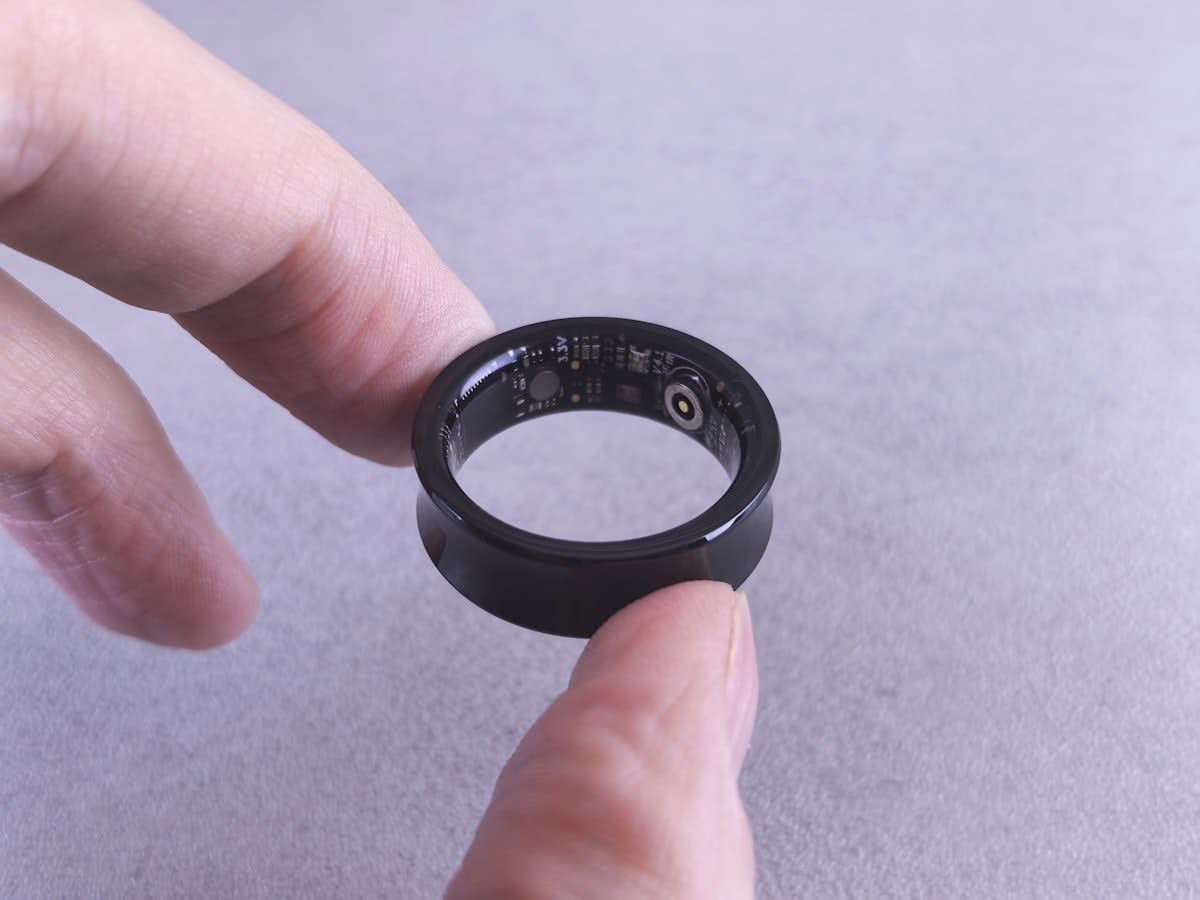
This week's debut of the ACTXA Core Smart Ring serves as a catalyst for this shift. Unlike previous iterations of health wearables that relied on basic heart rate or sleep tracking, this AI-powered ring targets one of the most challenging metrics in medicine: glucose. By sensing blood flow and pulse and utilizing machine learning to detect elevated blood sugar, the device offers a non-invasive alternative to the traditional finger-prick. Why does this matter now? Because the global burden of diabetes has reached a breaking point, with cases nearly quadrupling since 2000. The friction of blood draws often leads to inconsistent monitoring, but a ring that works autonomously removes that barrier entirely.
"The release of the ACTXA Core Smart Ring highlights the necessity of integrating lifestyle changes with technological advancements for better care, especially as global diabetes cases have surged."— Dr. Marc Siegel, Senior Medical Analyst
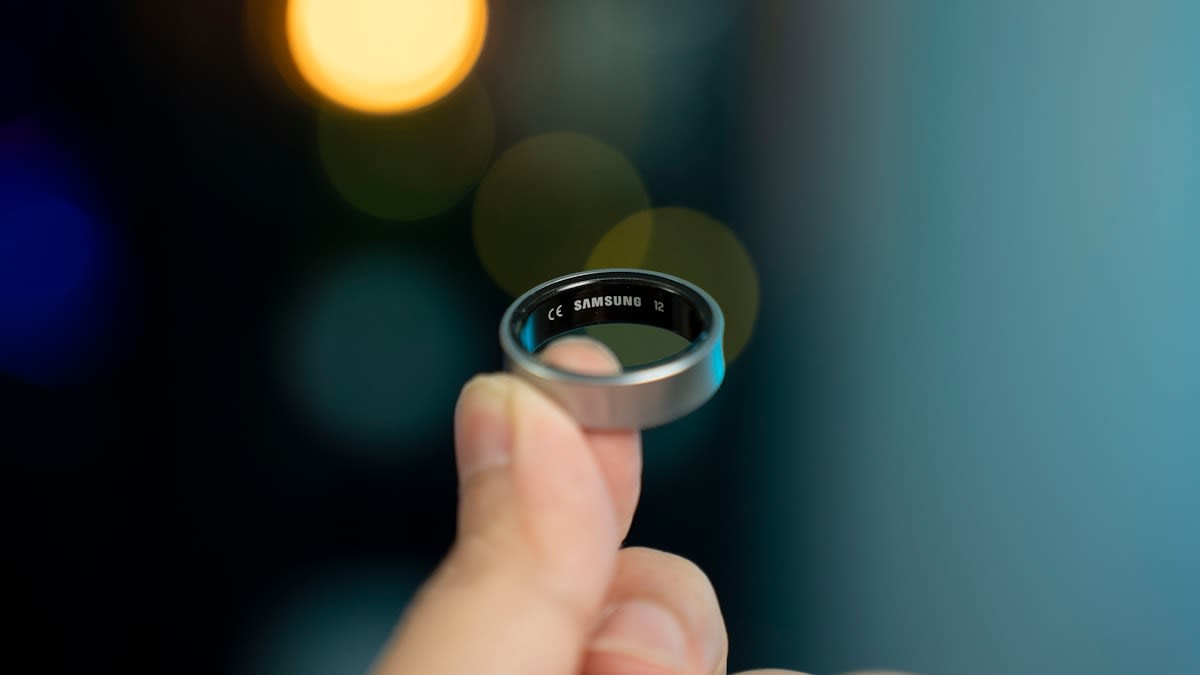
Comparing the current landscape to just twelve months ago reveals a stark delta. A year ago, non-invasive glucose monitoring was largely the domain of experimental prototypes and optimistic press releases. Today, we have shifted from 'proof of concept' to 'market debut.' The integration of machine learning allows these devices to filter out the noise of interstitial fluid and blood flow, providing a level of precision that was previously only possible through invasive means. This isn't just a convenience; it's a fundamental change in how chronic diseases are managed on a global scale.
The Autonomous Shift
The transition from 'monitoring' to 'autonomous healthcare' occurs when the device doesn't just tell you there is a problem, but actively works to fix it without human intervention.
Closing the Loop: From Data to Intervention
While the ACTXA ring handles the sensing, a landmark report published in Nature on July 20, 2026, outlines the next evolutionary step: closed-loop wearable bioelectronics. The limitation of most wearables has been their passivity; they collect data, but the patient or doctor must act on it. Closed-loop systems erase this gap by linking real-time biosensing directly to therapeutic intervention. Imagine a device that detects a spike in blood pressure or a dip in glucose and immediately triggers a precise, autonomous drug delivery or electrical stimulation. This is the end of the 'wait-and-see' approach to medicine.
| Feature | Snapshot Medicine (Traditional) | Closed-Loop Medicine (Emerging) |
|---|---|---|
| Data Frequency | Periodic/Occasional | Continuous/Real-time |
| Method | Invasive (Blood Draw) | Non-invasive/Bioelectronic |
| Intervention | Reactive (Prescription after test) | Autonomous (Immediate response) |
| Patient Role | Active (Must seek care) | Passive (System manages stability) |
The applications for this technology extend far beyond glucose. The Nature research highlights a diverse array of closed-loop systems currently in development. We are seeing the rise of smart bandages that integrate sensors and stimulators to accelerate wound healing, and bioelectronic patches designed for intelligent blood pressure management. Even more provocative is the development of closed-loop brain-machine interfaces aimed at the study and treatment of pain. By bypassing the need for a physician to interpret a chart and manually adjust a dose, these systems provide a level of personalized care that was previously mathematically impossible.
- Smart closed-loop drug delivery systems for autonomous medication dosing.
- Wireless bio-integrated devices providing autonomous electrotherapy.
- Smart bandages with integrated sensors for advanced wound care.
- Closed-loop brain-machine interfaces for real-time pain management.
- Bioelectronic patches for continuous, intelligent blood pressure regulation.
This shift towards autonomy is not without its challenges, but the opportunity for resilience in public health is immense. By automating the 'maintenance' phase of chronic disease, we free up clinical resources for complex diagnoses and acute care. The system moves from a model of crisis management to one of constant equilibrium. Instead of treating a diabetic crash or a hypertensive crisis after it occurs, the closed-loop system prevents the crash from ever happening.
The Quest for Insulin Independence
The broader goal of these advancements is not just better monitoring, but total liberation from the burden of disease. In the realm of Type 1 Diabetes (T1D), the pipeline is moving toward a radical objective: insulin independence. Recent progress, as noted by BioSpace, shows a surge in innovative approaches from companies like SAB Biotherapeutics and Eledon Pharmaceuticals. The approval of Sanofi's Tzield for pediatric patients with stage 3 T1D represents the 'tip of the spear,' acting as a disease-modifying therapy that targets the condition before clinical symptoms fully take hold.
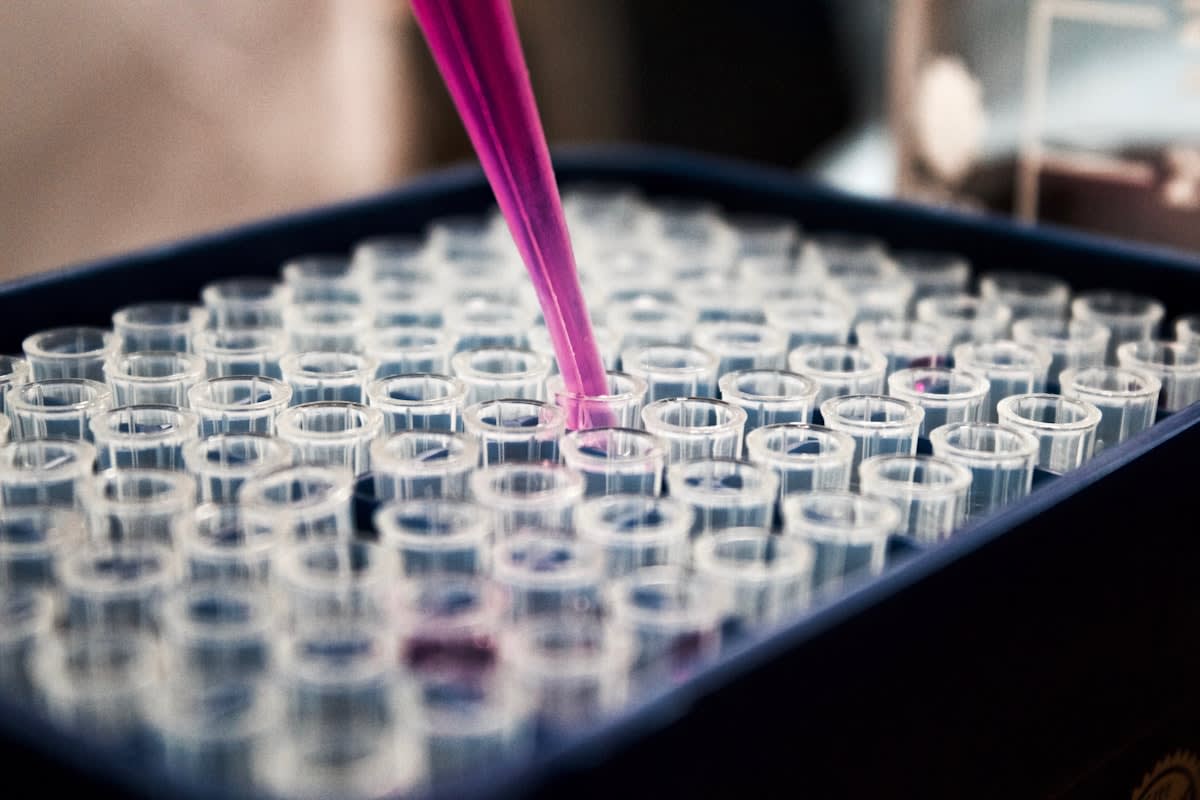
When you combine these disease-modifying therapies with the closed-loop bioelectronics described in Nature, the trajectory becomes clear. We are moving toward a world where a patient is diagnosed early via non-invasive AI sensing, treated with disease-modifying agents to slow progression, and maintained by an autonomous wearable that manages their biochemistry in real-time. This is a far cry from the 20th-century model of daily injections and periodic blood tests. The focus has shifted from managing the symptoms of a failure to maintaining the biology of health.
Is this the end of the doctor's role? Hardly. But it is the end of the doctor as a data-collector. The physician of the near future will not spend their time reviewing a week's worth of glucose logs; they will oversee the AI algorithms that manage those logs. The expertise shifts from interpretation to optimization. The global healthcare infrastructure must now adapt to this stream of continuous data, moving away from the appointment-based billing and care models that have dominated for a century.
The convergence of these technologies—AI rings, closed-loop patches, and disease-modifying biopharmaceuticals—marks a decisive break from the past. We are no longer capturing snapshots of illness; we are managing the flow of life. As these systems move from the laboratory to the global market, the definition of 'patient' is changing. We are becoming proactive managers of our own biology, supported by an invisible, autonomous layer of bioelectronic intelligence.