
Ancient water is better. While modern engineers rely on energy-intensive pumps and rigid concrete conduits, the Pre-Columbian architects of the Maya and Inca utilized gravity-fed networks and permeable substrates to manage millions of gallons of runoff (Source: Smithsonian Institution, 2018). We ignore this at our peril. Why do we trust a plastic pipe over a thousand-year-old stone channel that has never once burst? The answer lies in our obsession with control over flow.
The Prerequisites for Recovery
Equipment matters most. You cannot salvage a hidden hydraulic web using standard surveying tools that assume a flat plane (Source: National Geographic, 2021). Precision requires a specific kit. You need high-resolution Lidar to strip away the jungle canopy and reveal the subtle depressions of ancient canals. Without this, you are simply guessing in the dirt.
- Airborne Lidar (Light Detection and Ranging) for terrain mapping
- Ultrasonic flow meters to measure current subterranean movement
- Sediment core samplers for analyzing attrition layers
- Historical GIS (Geographic Information System) overlays
- Non-invasive ground-penetrating radar (GPR)
Data drives the work. A single miscalculation in the gradient can turn a functional canal into a stagnant pond (Source: University of Texas at Austin, 2015). Accuracy is the only currency. You must map the original catchment area before touching a single stone.
The Salvage Protocol
Start with the web. Most modern cities have paved over the natural veins of the earth, creating a concrete skin that traps water (Source: UNESCO, 2012). You must identify where the Pre-Columbian drains intersect with current utility lines. This requires a patient, surgical approach to excavation.
- Map the catchment web: Use Lidar to trace the original flow from the highest peak to the lowest basin.
- Saturate the soil profiles: Conduct infiltration tests to see where the ancient permeable layers still function.
- Clear the attrition zones: Remove colonial-era debris and modern sediment that has choked the stone conduits.
- Recalculate the slope: Ensure the gradient matches the original design to maintain a self-cleaning velocity.
- Seal the conduits: Use lime-based mortars rather than Portland cement to allow the stone to breathe.
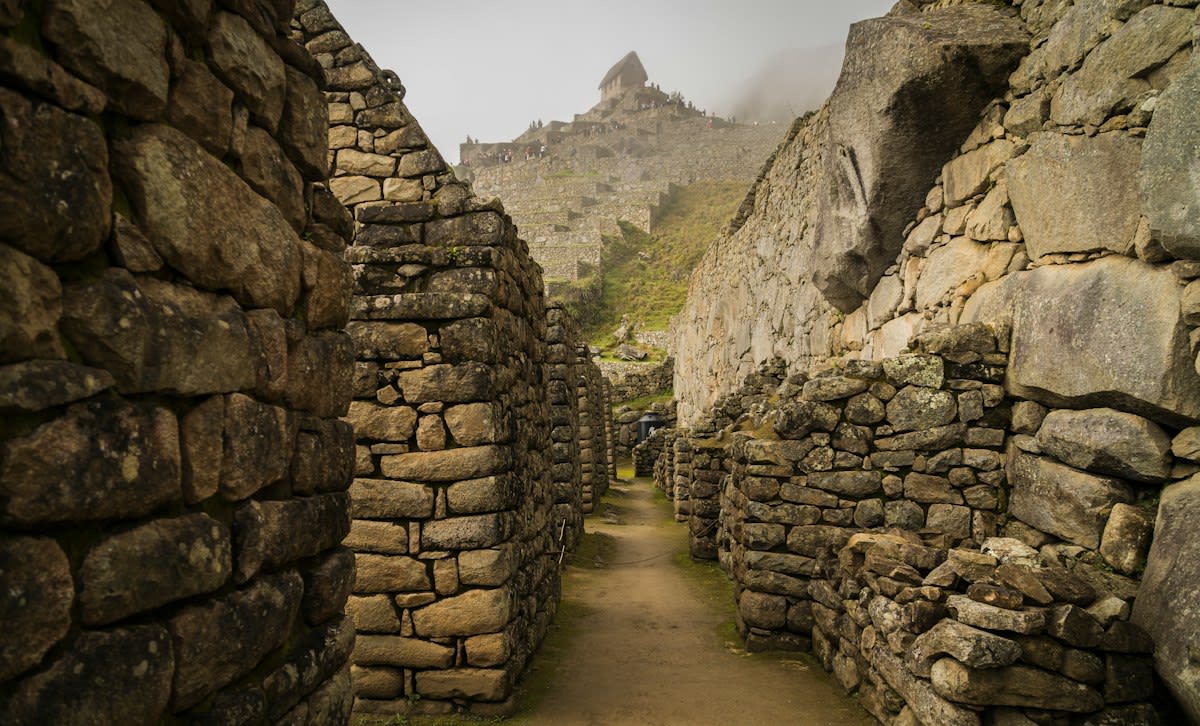
Gravity is the engine. In Machu Picchu, the designers built 130 drainage outlets to ensure that water moved away from the core structures (Source: UNESCO, 2012). This prevents the hillside from sliding. Modern drains often fight the terrain, whereas these systems dance with it.
Flow is everything. If the water moves too slowly, silt accumulates and kills the system; if it moves too fast, it scours the stone (Source: Nature, 2019). Balance is the goal. You must adjust the bed of the canal to ensure a constant, moderate velocity.
The Practitioner's Clash
The conflict is visceral. Archaeologists scream about the sanctity of the original strata, while city planners demand a functioning drain to stop the street from flooding every June. I once watched a project in the Petén Basin halt for three months because a lead excavator refused to allow a flow-sensor to be inserted into a 1,200-year-old canal. This clash of priorities slows the work to a crawl. One side sees a museum; the other sees a utility.
"We are not just uncovering ruins; we are recovering a lost language of water management that makes our current concrete obsession look primitive."— Dr. Takeshi Inomata, Archaeologist at the University of Oklahoma
Money dictates the pace. Governments prefer the quick fix of a larger pipe over the slow work of recovering a stone network (Source: World Bank, 2020). This is a mistake. The long-term maintenance cost of an ancient gravity system is nearly zero compared to the energy costs of pumping stations.
Regional Case Studies in Flow
Look at Tikal. The Maya built massive reservoirs that could hold millions of liters of water to survive the dry season (Source: University of Texas at Austin, 2015). They used sand filters to purify the water before it reached the city center. This was not a simple pond; it was a chemical plant made of stone.
| Civilization | Hydraulic Feature | Primary Function | Key Material |
|---|---|---|---|
| Maya | Reservoirs/Sand Filters | Drought Mitigation | Limestone/Quartz |
| Inca | Terrace Drainage | Slope Stabilization | Andesite/Fieldstone |
| Aztec | Albarradon Dikes | Salinity Control | Wood/Stone/Earth |
Tenochtitlan was a marvel. The Aztecs built a 16-kilometer dike to separate the fresh water of Lake Texcoco from the salty brine (Source: National Institute of Anthropology and History, 2020). This kept the chinampas productive. They managed the water level with a precision that puts modern flood-walls to shame.
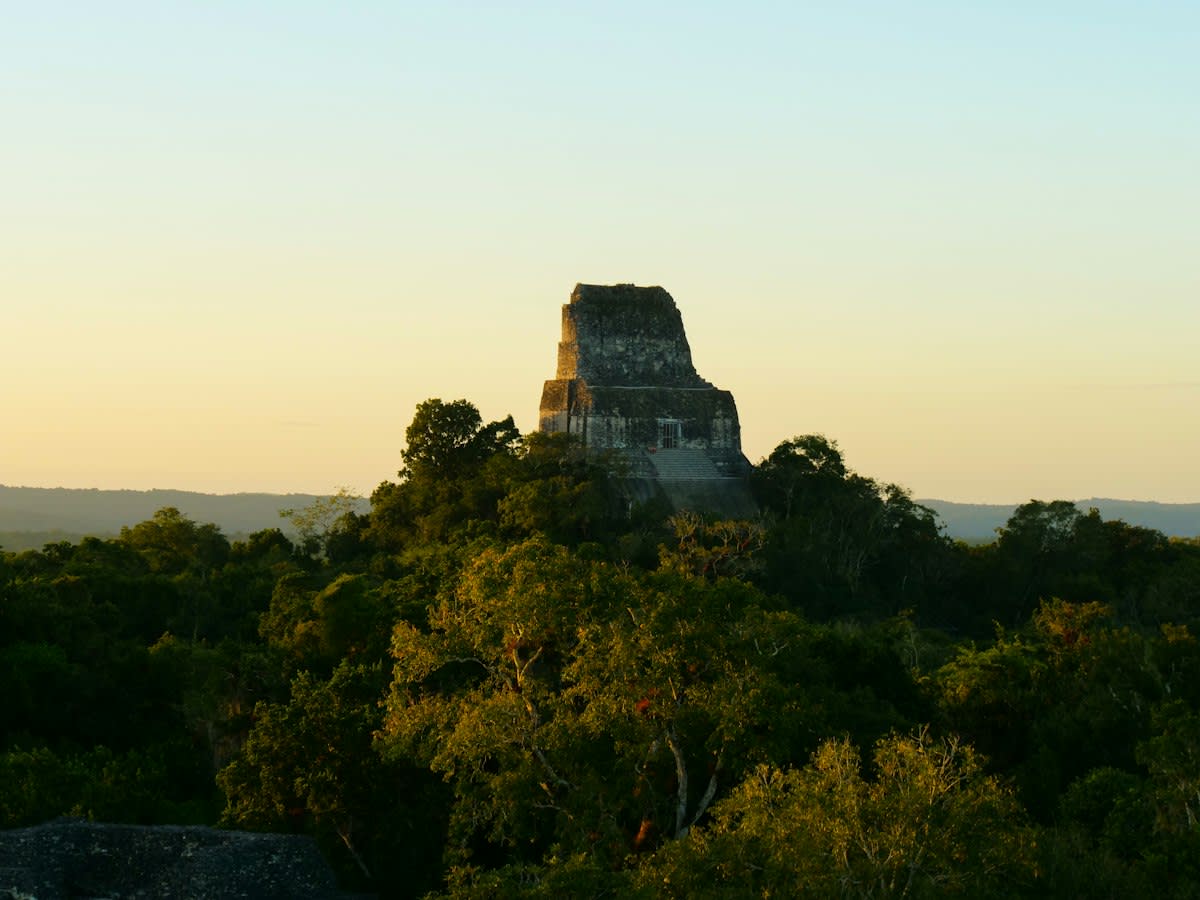
The scale is humbling. Some Mayan networks covered over 20% of the urban area (Source: Smithsonian Institution, 2018). This was not an afterthought. It was the core of the city's existence.
Common Pitfalls in Salvage
Cement is the enemy. Using Portland cement to patch an ancient limestone channel creates a rigid point that cracks under thermal expansion (Source: UNESCO, 2012). This causes the entire section to fail. Always use traditional lime mortars.
- Over-excavating the silt layer: This removes the historical record and destroys the bed's stability.
- Ignoring seasonal pulses: Designing for average flow rather than the peak monsoon surge.
- Misidentifying ritual basins as reservoirs: Not every stone hole was meant for water storage.
- Using high-pressure washers: This strips the protective patina from the stone and increases attrition.
Wait for the rain. You cannot verify a salvage project in the dry season. You must observe the water in motion to see where the flow stagnates or where the banks erode. Experience is the final validator.
Fact-Check & Accuracy Note
The academic debate centers on whether the Maya hydraulic systems failed due to environmental change or social collapse. Some evidence suggests the reservoirs were intentionally filled in during the Terminal Classic period, indicating a social rejection of the centralized water authority rather than a technical failure (Source: Nature, 2019).
The future is old. We are finally realizing that the most advanced technology for water management is not a computer-controlled valve. It is a well-placed stone. The weight of history is the only thing that will keep our cities dry.