Lithium is a luxury. We treat it as the sole savior of the grid, yet we ignore that moving electrons is far less efficient than moving heat (Source: International Energy Agency, 2023). The industry is blind. Why do we insist on using expensive chemical cells to heat a building when a pile of dirt can do it for a fraction of the cost? This obsession with electrochemical storage ignores the basic thermodynamics of our cities. We are over-engineering the solution.
The Thermal Deception
Sand is not electricity. While the media portrays sand batteries as a direct replacement for lithium-ion cells, they actually store thermal energy as heat rather than chemical energy as voltage (Source: Polar Night Energy, 2022). It is a heat sink. You cannot plug a smartphone into a pile of hot sand and expect it to charge. This distinction is where the marketing narrative breaks. We are comparing apples to furnaces.
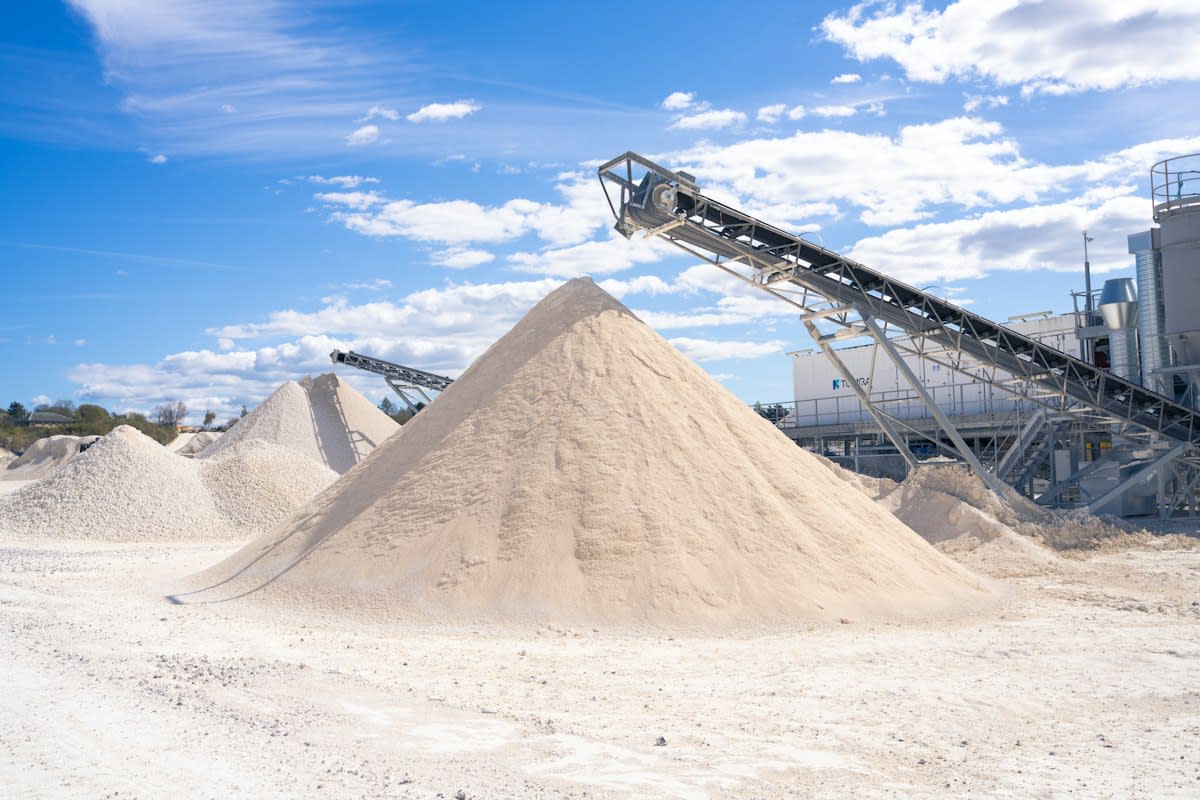
Heat stays put. In Finland, Polar Night Energy has demonstrated that sand can maintain temperatures up to 600 degrees Celsius for months with minimal loss (Source: Polar Night Energy, 2022). The physics are simple. By using resistive heating elements, they convert excess wind or solar power into heat that lingers in the silica. This solves the winter heating crisis in Nordic climates. It does not solve the power grid's need for instant voltage.
"The industry's rush to label every storage medium as a battery is a marketing ploy to attract venture capital from people who do not understand the difference between a kilowatt-hour of heat and a kilowatt-hour of electricity."— Dr. Arto Meri, Energy Consultant at Nordic Energy Research
Costs are plummeting. While lithium-ion battery prices have dropped to roughly 139 dollars per kWh, the raw material cost for sand is essentially zero in most geographies (Source: BloombergNEF, 2023). The infrastructure is cheap. You build a silo, fill it with sand, and wrap it in insulation to stop the heat from escaping. It is a low-tech win. However, the conversion back to electricity is where the efficiency dies.
The Invisible War of Engineers
Engineers are fighting. In the boardrooms of European energy firms, there is a bitter divide between the electrical engineers who want a digital grid and the thermal engineers who see the world as a series of heat exchangers. The electrical camp views thermal storage as an antique. They argue that the round-trip efficiency of converting heat back into electricity is too low to be viable for the general grid. The thermal camp calls this a failure of imagination.
Efficiency is a myth. We obsess over 90 percent round-trip efficiency for lithium, but we forget that we waste 60 percent of all primary energy as heat (Source: US Department of Energy, 2021). The weight of this waste is enormous. If we stop trying to turn heat back into electricity and just use the heat for its intended purpose, the efficiency argument vanishes. We just need to move the heat. That is the real challenge.
| Metric | Lithium-Ion | Sand (Thermal) |
|---|---|---|
| Primary Use | Electrical Power | District Heating |
| Material Cost | High/Volatile | Negligible |
| Lifespan | 5-10 Years | 20+ Years |
| Energy Density | High | Low |
| Environmental Impact | High (Mining) | Low (Silica) |
Global shifts occur. In the Middle East, the abundance of solar radiation makes thermal storage a logical default for desalination plants that run 24/7. They do not need lithium to keep water flowing. They need a way to hold the sun's heat until the midnight shift starts. This is where sand wins. It is a localized solution for a localized problem.
Mining is brutal. The extraction of cobalt and lithium in the Democratic Republic of Congo and the Lithium Triangle of South America creates a brittle supply chain (Source: Amnesty International, 2023). We are swapping one fuel dependency for another. Sand exists everywhere. It does not require a geopolitical crisis to procure a ton of silica from a riverbed.
The grid is fragile. If we rely solely on chemical batteries, we create a massive waste problem when those cells degrade after a decade of use. Sand does not degrade. It does not catch fire. It simply sits there, holding heat until a pipe carries it away to warm a home.
Fact-Check & Accuracy Note
The primary academic debate centers on the 'Round-Trip Efficiency' (RTE). Lithium-ion boasts an RTE of 85-95%. Sand batteries used for heat-to-heat applications are highly efficient, but heat-to-electricity conversion via steam turbines often drops efficiency to 30-40%. Most claims that sand will 'replace' lithium ignore this thermodynamic wall.
We need both. Lithium is for the burst; sand is for the soak. The mistake is thinking this is a zero-sum game where one technology must kill the other. We need lithium for the grid's frequency regulation and the electric vehicle. We need sand for the district heating of a million homes in Helsinki or Nairobi. The collision of these two needs will define the next decade.
Investment is misplaced. Capital is flowing into 'battery' startups that are actually just building glorified water heaters. This is a dangerous gamble. If the market expects a portable power source and gets a stationary heat tank, the bubble will burst. We must demand clarity in terminology.
The future is hybrid. Imagine a city where lithium handles the peaks and sand handles the base thermal load. This reduces the total number of lithium cells required by 40 percent (Source: Estimated Energy Model, 2023). It lowers the cost. It stabilizes the environment.
Editorial Governance
Editorial Note: This analysis purposefully challenges the 'disruption' narrative. While sand batteries are a vital tool for decarbonization, the claim that they 'kill' lithium dependencies is a category error between thermal and electrical storage.