#thermal energy storage
Discover 5 curated intelligence briefings related to this specific topic.
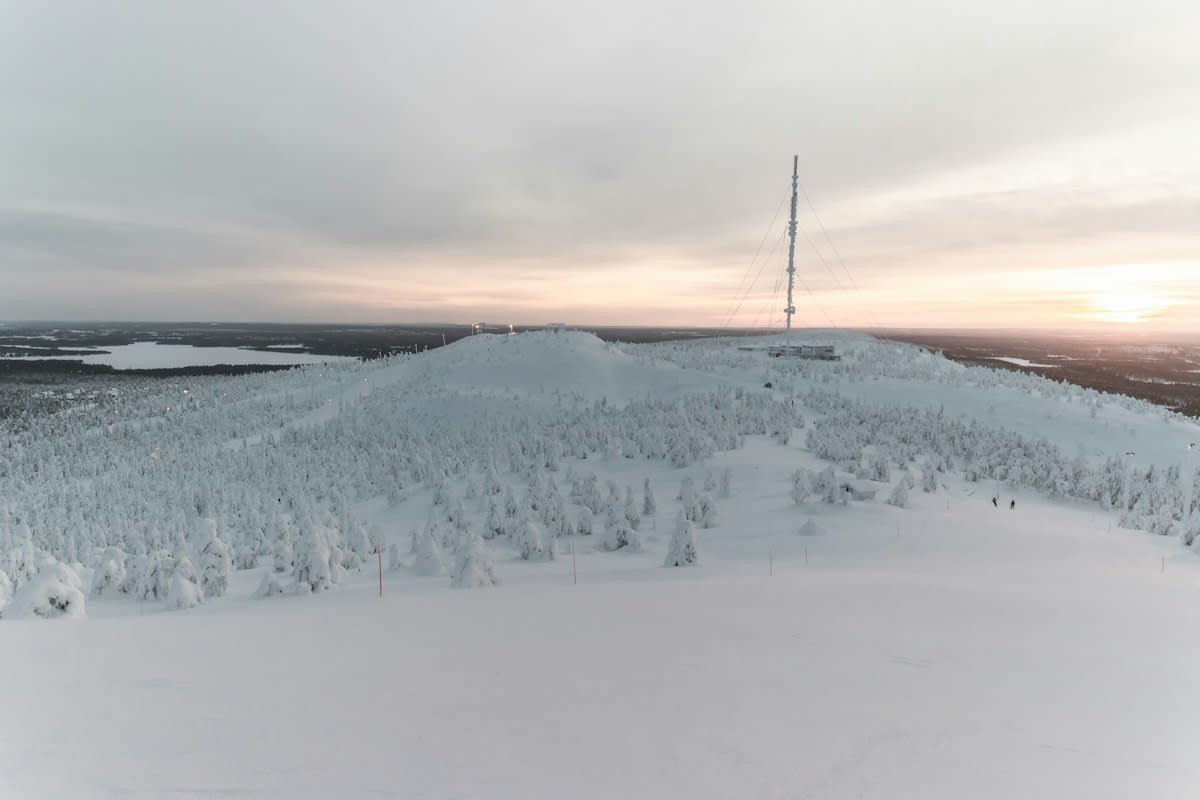
The Silica Shell Game: Why Finland is Betting on Sand While the West Chases Lithium
A 100-meter silo of low-grade sand in Kankaanpää holds enough heat to keep a village warm through a Finnish winter. It is a low-tech answer to a high-stakes energy crisis.
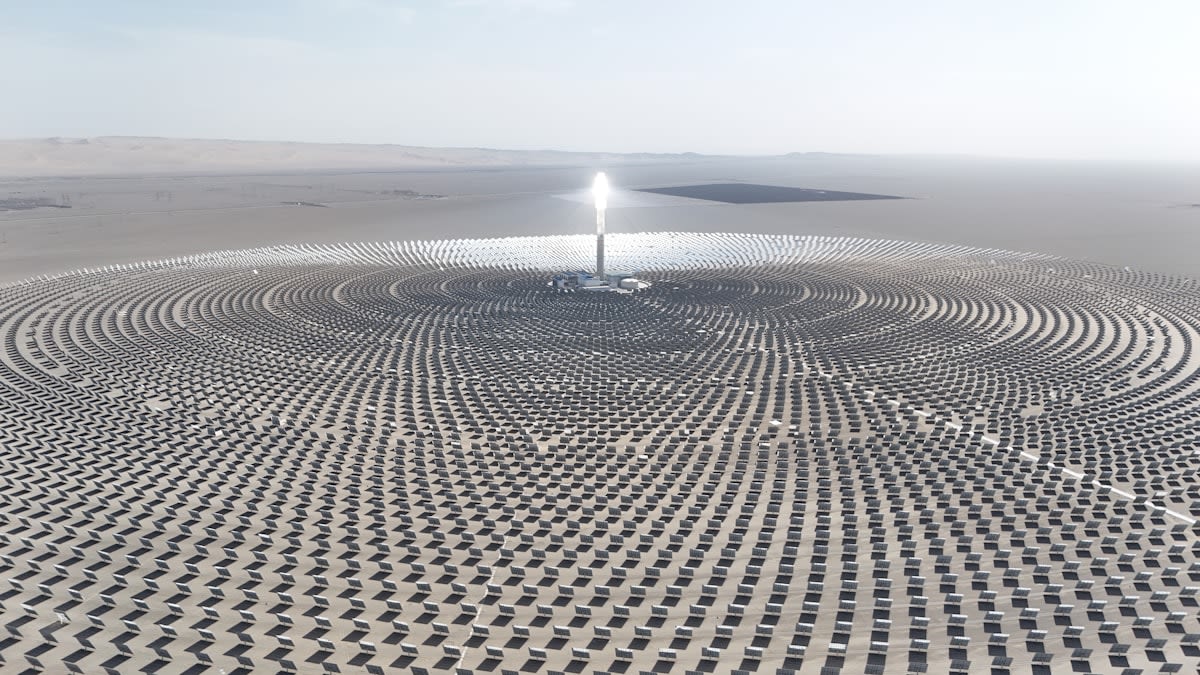
The Molten Salt Race: Why 'Liquid Heat' is the New Frontier of Global Grid Stability
As the global energy transition hits the 'intermittency wall,' the race is on to scale molten salt storage. This isn't just about solar power; it's a fundamental shift toward long-duration thermal batteries that can stabilize entire national grids.

The Heat Revolution: Why Sand Batteries are Solving the Green Grid's Biggest Blind Spot
While the world obsessed over lithium-ion, a low-tech breakthrough in Finland is proving that the secret to a 100% renewable grid isn't a better chemical battery, but a giant pile of hot sand.
The Long Game: A Master Practitioner's Guide to Residential Long-Duration Energy Storage
Stop thinking in hours and start thinking in days. This guide moves past the limitations of standard lithium batteries to explore thermal storage, virtual power plants, and the systemic shift toward long-duration energy resilience for the modern home.

The Great Thermal Shift: Why Megacities are Abandoning the Window Unit
Global megacities are pivoting away from individual air conditioning units toward massive district cooling networks. This systemic shift reduces energy consumption by up to 40% and tackles the urban heat island effect by removing millions of heat-dumping compressors from city streets.