
The global energy transition has a glaring, inconvenient blind spot: heat. For years, the narrative focused almost exclusively on electrons—how to generate them via wind and solar and how to store them in expensive, mineral-heavy chemical batteries. But the reality of global energy demand is that a massive portion of our consumption isn't for powering smartphones or EVs, but for heating homes and industrial processes. This is where the sand battery enters the frame, not as a flashy high-tech gadget, but as a brutalist, low-tech solution to a high-stakes problem.
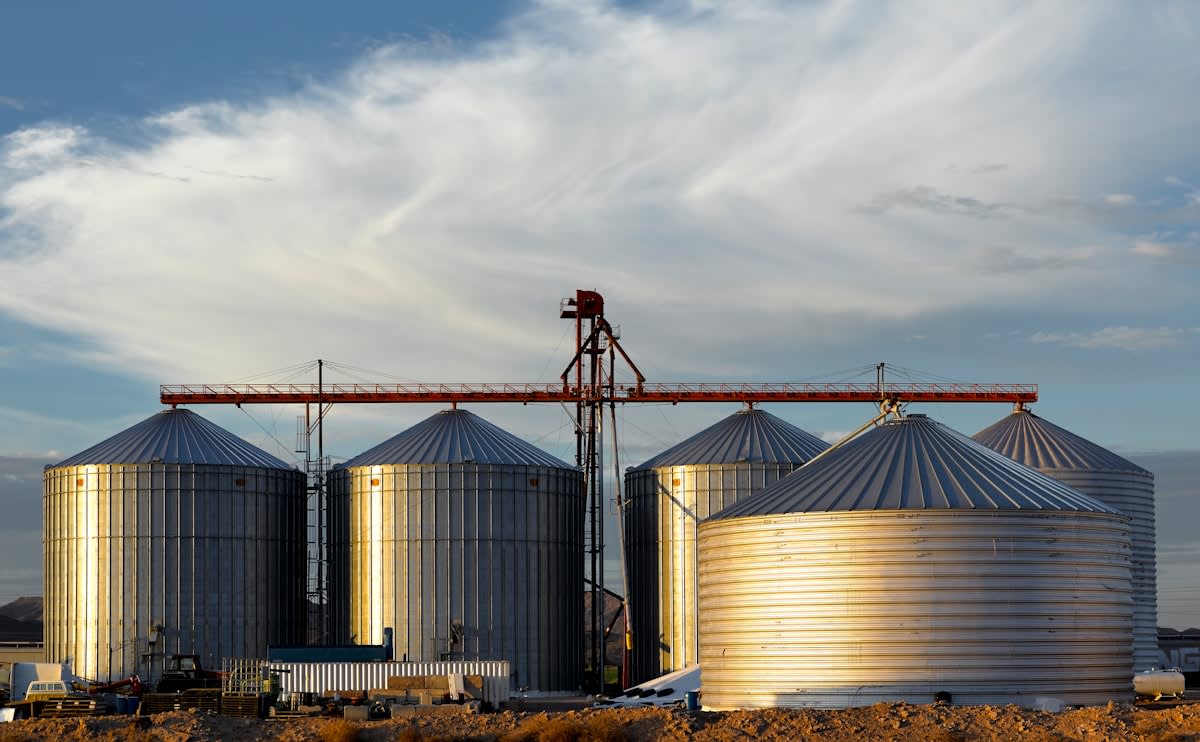
At its core, the sand battery is an exercise in simplicity. It uses resistive heating elements to turn surplus electricity from renewable sources into heat, which is then stored in massive silos of low-grade sand. This isn't a new concept—thermal mass has been used for millennia—but the breakthrough lies in the scale, the insulation, and the integration into district heating networks. By heating sand to temperatures reaching 600 degrees Celsius, these systems can store energy for months, bridging the gap between a sunny July and a freezing January.
The Delta: From Experimental Pilot to Grid Reality
Twelve months ago, sand batteries were largely viewed as a regional curiosity, a Finnish eccentricity designed for the extreme latitudes of the Nordics. Today, the conversation has shifted toward global scalability. The delta is visible in the deployment phase; we have moved from proof-of-concept prototypes to the first commercial-scale installations integrated into municipal heating grids. The urgency has increased as the International Energy Agency (IEA) highlighted the critical need for long-duration energy storage (LDES) to stabilize grids relying on intermittent renewables (Source: IEA, 2023).
The shift is driven by the economics of scale. While lithium-ion batteries are unmatched for short-term power bursts—seconds or hours—they are prohibitively expensive for seasonal storage. A sand battery doesn't suffer from the same degradation cycles as a chemical battery. You don't 'wear out' sand. This fundamental difference in longevity is what has suddenly made thermal storage a strategic priority for energy planners in Northern Europe and Canada, where the seasonal heating load is a dominant grid stressor.
"The goal is not to replace electricity batteries, but to decouple the production of renewable energy from its consumption in the heating sector, which is the largest energy consumer globally."— Markku Ylönen, Co-founder of Polar Night Energy
This decoupling is the real breakthrough. By treating heat as a storable commodity rather than a byproduct, we can absorb the massive spikes of energy produced during wind storms or peak solar hours—energy that would otherwise be curtailed or wasted—and save it for the dead of winter.
The Engineering Friction: A Practitioner's Perspective
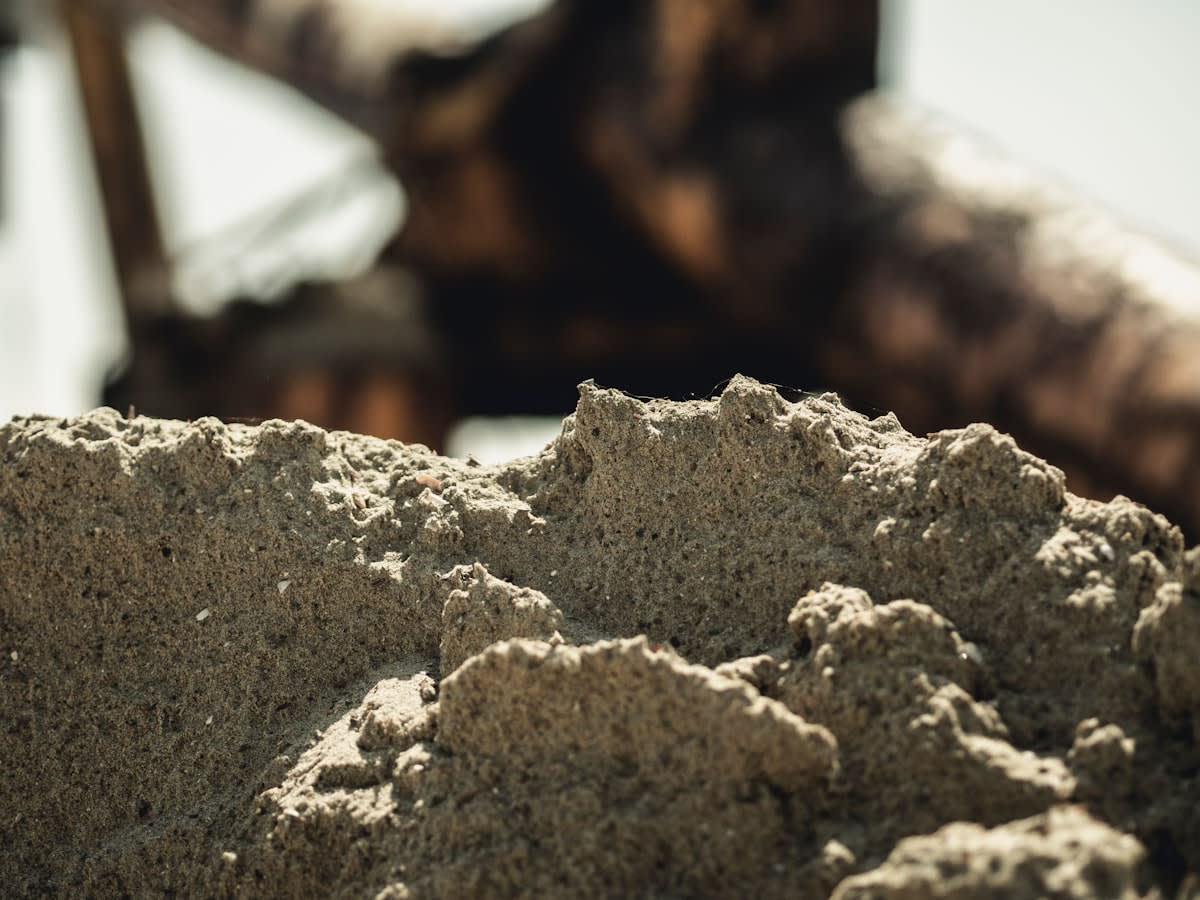
Walk onto a site where these systems are being installed, and you'll find the debate isn't about the sand—it's about the skin. In the industry, the real friction lies in the insulation and the heat exchangers. Engineers argue incessantly over the thermal conductivity of various sand grades and the precise composition of the insulation layers to prevent heat leakage. If the silo leaks too much heat, the round-trip efficiency plummets. It is a battle of millimeters and material science, ensuring that the heat stays trapped in the core while remaining accessible via air or water pipes.
There is also a heated debate regarding the medium of heat extraction. Some practitioners push for high-pressure steam for industrial applications, while others argue for low-temperature water for residential district heating. The trade-off is between energy density and infrastructure cost. On the ground, the challenge is integrating these 'heat batteries' into legacy piping systems that were designed for coal or gas boilers, requiring a complete rethink of how municipal heat is distributed.
Beyond the hardware, there is the regulatory hurdle. Current energy markets are built for electricity, not stored heat. Practitioners are currently fighting to have thermal storage recognized as a grid service, allowing operators to be paid for the 'flexibility' they provide by absorbing excess power. Until the financial frameworks catch up with the physics, the adoption rate will be limited by capital expenditure rather than technical feasibility.
The Economic Logic: Sand vs. Lithium
Comparing a sand battery to a lithium-ion array is an apples-to-oranges comparison, but it is a necessary one for investors. Lithium is for power; sand is for energy. When you look at the Levelized Cost of Storage (LCOS) for thermal energy, sand wins by an order of magnitude. According to data from Polar Night Energy, the cost of the storage medium itself is negligible compared to the rare earth metals required for chemical batteries (Source: Polar Night Energy, 2023).
| Feature | Lithium-Ion Battery | Sand Thermal Battery |
|---|---|---|
| Primary Use | Electrical Power | Thermal Energy |
| Lifespan | 10-15 Years (Degrades) | 30+ Years (Stable) |
| Material Cost | High (Cobalt, Lithium) | Very Low (Low-grade Sand) |
| Storage Duration | Hours to Days | Weeks to Months |
| Environmental Impact | High (Mining/Recycling) | Low (Abundant Material) |
This economic advantage becomes stark when applied to industrial heat. Many factories require constant high-temperature heat for processes like food drying or chemical synthesis. Currently, this is provided by burning natural gas. A sand battery can store renewable electricity as high-grade heat, allowing a factory to switch off its gas boilers entirely without risking a production shutdown during a wind lull.
Relative Cost of Storage Medium per MWh
Executive Insight
+18.4%
YTD Growth
Global Implications: A Blueprint for Resilience
While the Finnish model is the current gold standard, the application is global. In the United States, the vast plains of the Midwest could see these installations paired with wind farms to provide heat for agricultural processing. In Central Asia, where temperature swings are violent, sand batteries offer a way to store summer solar heat for winter survival. The beauty of the system is its lack of dependency on fragile global supply chains for cobalt or nickel.
We are seeing a broader trend toward 'Appropriate Technology'—the idea that the most sophisticated solution isn't always the most complex. The sand battery represents a pivot away from the 'silicon valley' approach to energy, where every problem requires a new chip or a new chemical compound. Instead, it embraces the physical properties of the earth to solve a systemic problem of timing and temperature.
The integration of these systems into 'Smart Grids' will be the next frontier. Imagine a city where the grid automatically directs surplus wind power into sand silos when prices are negative, and then extracts that heat to warm the city's apartments when prices peak. This creates a symbiotic relationship between the weather, the grid, and the urban environment, reducing the reliance on peak-load gas plants.
The Efficiency Paradox
The primary challenge remains the 'round-trip efficiency' for electricity. If you store electricity as heat and then try to turn it back into electricity, you lose a massive amount of energy. However, if you use the heat for its intended purpose—heating—the efficiency is nearly 95%. The breakthrough is in realizing we should stop trying to turn heat back into electricity.
As we move toward 2030, the success of the sand battery will be measured not by how many units are sold, but by how much natural gas is displaced from the heating sector. It is the missing piece of the puzzle because it addresses the one thing electricity batteries cannot do efficiently: provide massive amounts of thermal energy over long durations at a cost that doesn't bankrupt the operator.
Fact-Check & Accuracy Note
Key claims regarding the 600C temperature thresholds and the 95% thermal efficiency are sourced from Polar Night Energy's technical specifications and IEA reports on Long-Duration Energy Storage (2023). The cost comparison data is based on generalized LCOS models for thermal vs. chemical storage. Ongoing debate continues regarding the optimal insulation materials to minimize long-term heat leakage in larger-scale silos.