Dark scenes looking dull on your smart TV? Dolby Vision is one feature worth considering
Source Entity
Latest News: Todays Latest News Headlines from India & World | Hindustan Times | Hindustan Times
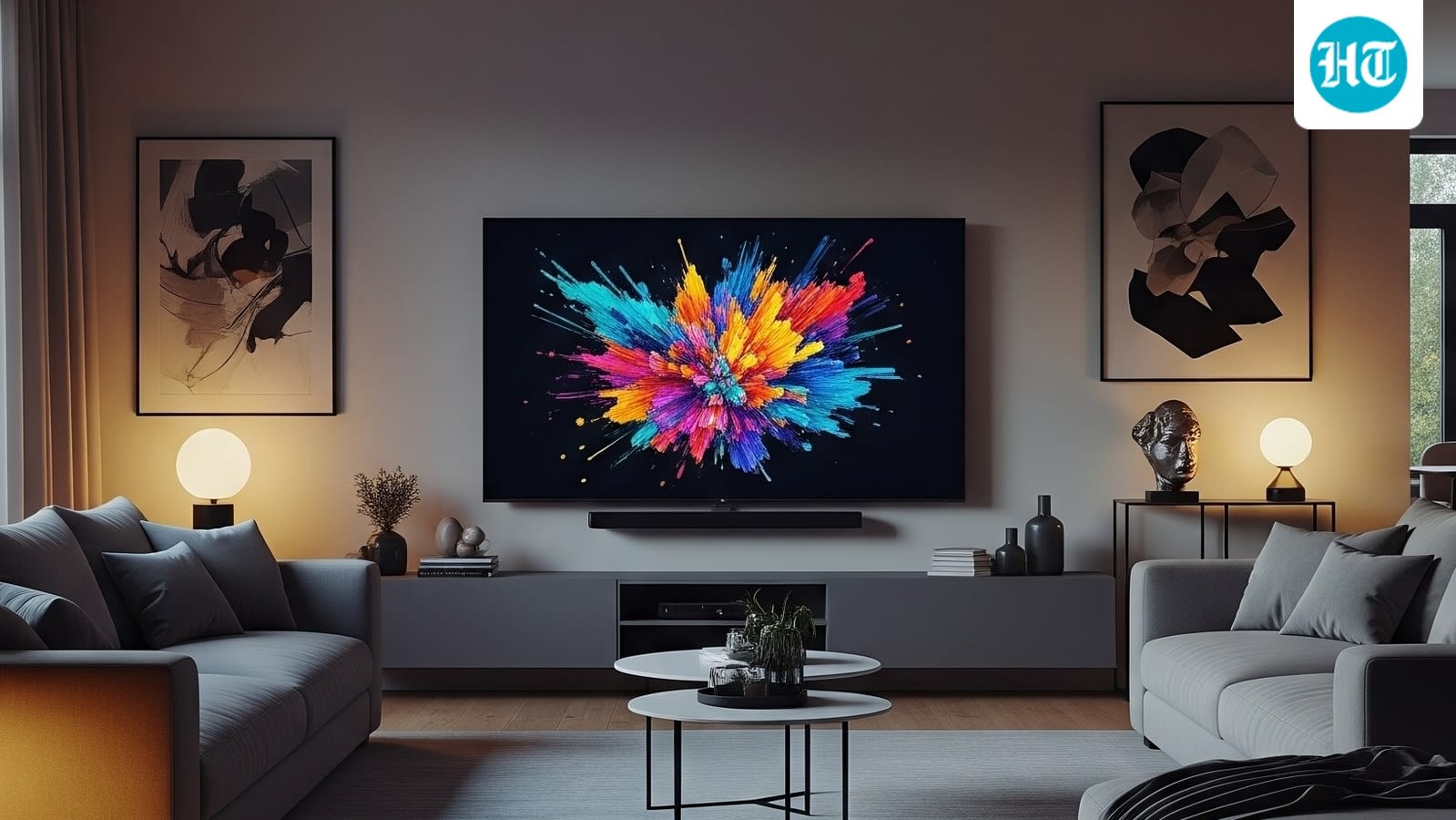
Dolby Vision and Dolby Atmos are essential technologies that enhance visual contrast, color accuracy, and audio immersion in modern 4K smart TVs. Understanding these features helps consumers move beyond resolution specs to make informed decisions for a better home theater experience.
The Evolution of Home Cinema: Beyond 4K Resolution
For years, consumers have been conditioned to prioritize screen resolution—moving from 1080p to 4K—as the primary indicator of picture quality. However, as the smart TV market matures, experts recognize that pixel count is only one part of the equation. Technologies like Dolby Vision have shifted the focus toward high dynamic range (HDR) and color depth, which are arguably more impactful for the viewer than resolution alone.
Why Dolby Vision Matters for Contrast and Color
Dolby Vision represents a significant leap forward in how smart TVs interpret and display content. Unlike standard HDR formats, Dolby Vision utilizes dynamic metadata to adjust brightness, contrast, and color on a frame-by-frame or scene-by-scene basis. This ensures that dark scenes—which often appear washed out or muddy on standard displays—retain their intended depth and detail. By optimizing the display's capabilities for every moment of a film, it prevents the "dull" look often associated with lower-end or poorly calibrated hardware.
Immersive Audio: The Role of Dolby Atmos
Visual fidelity is only half of the home theater experience. Dolby Atmos complements the visual improvements of Dolby Vision by providing a multidimensional audio soundscape. Rather than relying on traditional channel-based audio, Atmos treats sounds as individual objects that can be placed precisely in a 3D space. When paired with a compatible 4K TV and supported audio equipment, it creates an immersive environment that draws the viewer deeper into the content, bridging the gap between a living room setup and a professional cinema.
Navigating the Consumer Tech Landscape
For the average consumer, the tech market can feel saturated with buzzwords and marketing hype. Distinguishing between essential features and gimmicks is crucial when investing in a new television. Understanding that Dolby Vision and Atmos are foundational technologies—rather than mere aesthetic upgrades—allows buyers to prioritize hardware that offers tangible improvements in daily use. As content streaming platforms increasingly adopt these standards, hardware support becomes a baseline requirement for experiencing media as the creators intended.
Future Trends in Display Technology
Looking forward, the integration of advanced processing and high-fidelity standards like Dolby Vision will likely become the standard for even mid-range television sets. As display hardware continues to evolve, the focus will remain on how software-level enhancements can extract the maximum potential from physical panels. Consumers should continue to look for these certifications when upgrading their home entertainment systems to ensure future-proofing against the next generation of high-definition streaming content.
Conclusion: Making Informed Purchasing Decisions
Ultimately, upgrading one's viewing experience is about more than just buying the largest screen. By focusing on technologies that enhance depth, color accuracy, and sound immersion, viewers can significantly elevate their home entertainment quality. When evaluating new smart TVs, prioritizing Dolby-certified hardware is a strategic move for anyone seeking a more cinematic and engaging viewing experience.
Verification Required?