Japanese Prime Minister Takaichi rejects criticism around weak yen and high interest rates
Source Entity
US Top News and Analysis
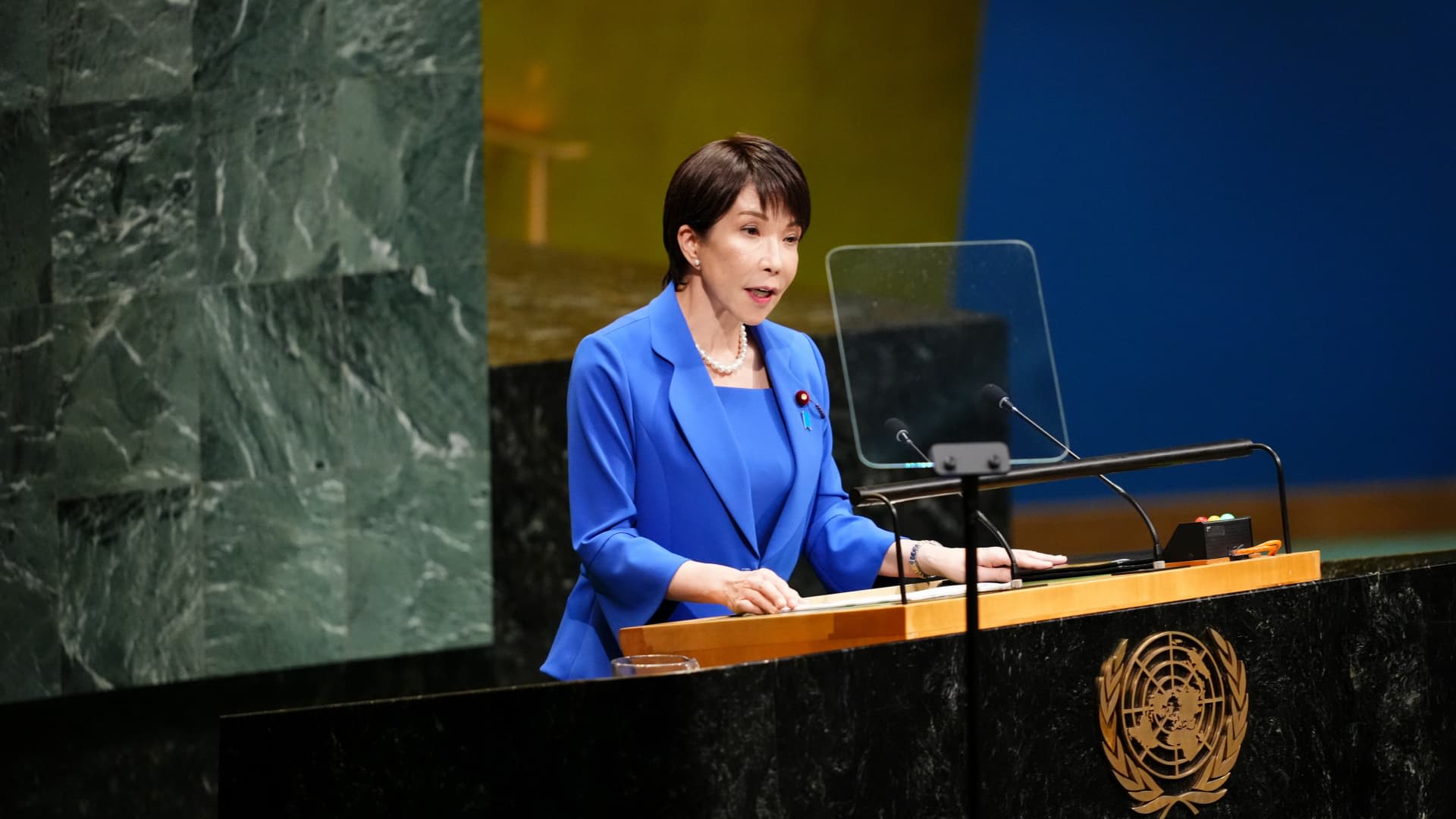
Prime Minister Sanae Takaichi has publicly rejected accusations linking her policies to Japan's weak yen and rising bond yields. Speaking in parliament, she dismissed the criticisms, asserting that her administration is not responsible for these economic challenges.
Takaichi Defends Economic Policy Amid Growing Scrutiny
Japanese Prime Minister Sanae Takaichi has issued a firm rebuttal to critics who blame her administration for the country's ongoing economic volatility. Speaking in parliament, Takaichi explicitly denied responsibility for the dual economic pressures of a persistently weak yen and rising Japanese Government Bond (JGB) yields, effectively pushing back against the narrative that her policy framework—often colloquially termed 'Takaichi-nomics'—is the primary driver of these fiscal headwinds.
The Dual Economic Challenge
The criticism directed at Takaichi centers on two conflicting economic phenomena. On one hand, the weak yen has been a focal point of concern for Japanese manufacturers and consumers, as it inflates the cost of imported goods and energy. On the other hand, the rise in JGB yields suggests a shift in market expectations regarding interest rates. Critics have argued that Takaichi’s policy stance has inadvertently exacerbated these conditions, creating a 'lose-lose' scenario where the currency suffers while borrowing costs for the government climb.
Contextualizing the UNGA Presence
Takaichi’s recent appearance at the 81st United Nations General Assembly (UNGA) in New York highlights the intersection of her domestic policy challenges and Japan's international standing. As global leaders gathered under the theme of "Restoring trust, managing transformation," Takaichi’s domestic defense in parliament serves as a reminder that even as nations engage in global diplomacy, leaders remain tethered to the urgent economic anxieties of their home constituents.
Analyzing the Political Rebuttal
By publicly rejecting these claims, Takaichi is attempting to reclaim the narrative from opposition parties who have sought to tie Japan’s volatile market performance directly to her leadership. Her denial is not merely a technical disagreement over fiscal policy but a strategic political maneuver. By distancing herself from the causes of the weak yen and rising rates, she aims to shield her cabinet from blame as Japan navigates a complex period of economic transformation.
Broader Implications for Fiscal Policy
The tension between the Bank of Japan’s monetary policy and the government’s fiscal trajectory remains a point of intense scrutiny. As global interest rate environments fluctuate, Japan’s unique stance on maintaining stability while managing public debt continues to be a delicate balancing act. Takaichi’s rejection of the criticism signals that her government intends to maintain its current trajectory, resisting calls for a major policy pivot despite the volatility in bond markets.
Future Trends and Conclusion
Looking forward, the persistence of these economic issues will likely remain a central theme in Japanese parliamentary debates. Should the yen continue to languish or interest rates climb further, the pressure on Takaichi to provide a more comprehensive solution—beyond mere denial—will only increase. For now, the Prime Minister remains steadfast, betting that her current economic strategy will eventually foster the transformation necessary for long-term growth, despite the immediate political costs.