The Thermal Pivot
The global energy grid is hitting a ceiling. For years, the narrative focused on the deployment of wind and solar, but the conversation has shifted violently toward the 'intermittency wall'—the moment when the sun sets and the wind dies, leaving a void that lithium-ion batteries are too expensive and too short-lived to fill. Enter molten salt. We are seeing a rapid transition from treating thermal energy storage (TES) as a niche appendage of Concentrated Solar Power (CSP) to viewing it as the primary backbone of grid stability. This is the 'Liquid Heat' era, where energy is stored not as electrons in a chemical cell, but as raw thermal energy in tanks of molten nitrate salts.
Twelve months ago, the industry was still largely obsessed with short-duration battery storage (2-4 hours). Today, the delta is clear: the focus has swung toward Long-Duration Energy Storage (LDES), with molten salt emerging as the frontrunner for 10-to-100-hour windows. According to the International Energy Agency (Source: IEA, 2023), the scaling of thermal storage is now a critical prerequisite for reaching net-zero targets, as it allows the grid to decouple energy generation from energy consumption on a scale that electrochemical batteries simply cannot match.
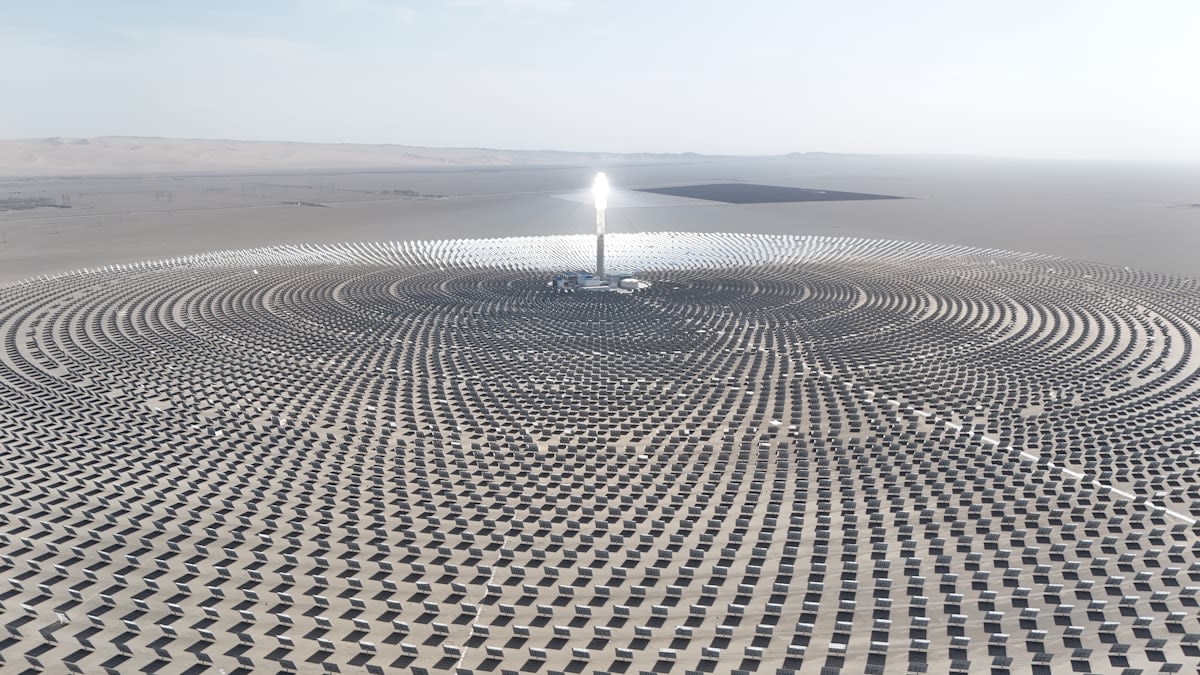
How does this actually work? It is deceptively simple. Solar mirrors or electrical heaters pump energy into a salt mixture—typically sodium nitrate and potassium nitrate—heating it until it liquefies. This liquid is stored in massive, insulated tanks. When the grid demands power, the salt is pumped through a heat exchanger to create steam, which spins a conventional turbine. It is essentially a giant, thermal battery that uses the laws of thermodynamics rather than complex chemistry to hold onto energy.
"The transition to thermal storage is not just a technological upgrade; it is an economic necessity. We cannot build enough lithium mines to power the world's baseload needs for a week of cloudy weather. Molten salt provides the scale and the duration that chemistry cannot."— Report Analysis, International Renewable Energy Agency (IRENA), 2024
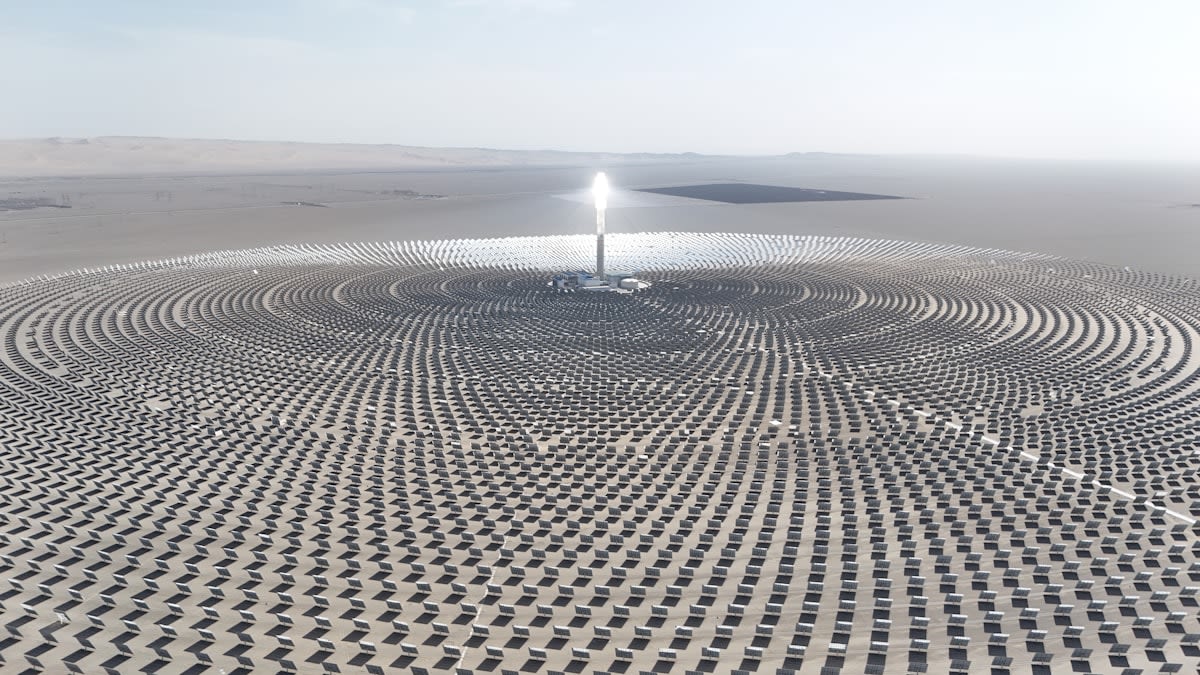
This shift is playing out globally, but the geography of the 'race' is uneven. China is currently dominating the deployment phase, integrating molten salt storage into massive hybrid solar-thermal parks in the Gobi Desert to stabilize the transmission lines feeding its eastern megacities. Meanwhile, in Spain and the Southwestern United States, the focus is on upgrading existing CSP plants to increase their storage duration, moving from 6 hours to 15+ hours of discharge. Australia is experimenting with 'Carnot Batteries'—systems that use molten salt to store electricity from any source, not just solar, effectively turning the salt tanks into a grid-scale energy reservoir.
| Feature | Lithium-Ion Batteries | Molten Salt Storage |
|---|---|---|
| Storage Duration | Short (2-4 Hours) | Long (10-100+ Hours) |
| Degradation | High (Cycles limit life) | Low (Thermal stable) |
| Material Scarcity | High (Cobalt, Lithium) | Low (Common Salts) |
| Primary Cost Driver | Cell Chemistry | Tank Insulation & Pumps |
But move away from the glossy brochures and into the plant control rooms, and you will find a different story. Practitioners in the field are currently locked in a brutal debate over metallurgy and chemistry. The 'Corrosion War' is real. Molten salts are incredibly aggressive; they eat through standard stainless steel if the temperature or chemistry fluctuates by even a few degrees. Engineers on the ground spend their days obsessing over cladding materials and the precise purity of the salt. If the salt freezes in a pipe because a heat trace failed, you don't just have a leak—you have a solid block of salt that can destroy an entire piping system, requiring a multi-million dollar teardown.
This operational friction is where the real innovation is happening. We are seeing a move away from simple nitrates toward chloride salts, which can withstand much higher temperatures (above 700 degrees Celsius), thereby increasing the efficiency of the steam cycle. However, chlorides are even more corrosive than nitrates. The industry is currently betting on new nickel-based alloys to solve this, a move that could lower the Levelized Cost of Storage (LCOS) by 20% over the next five years (Source: National Renewable Energy Laboratory, 2023).
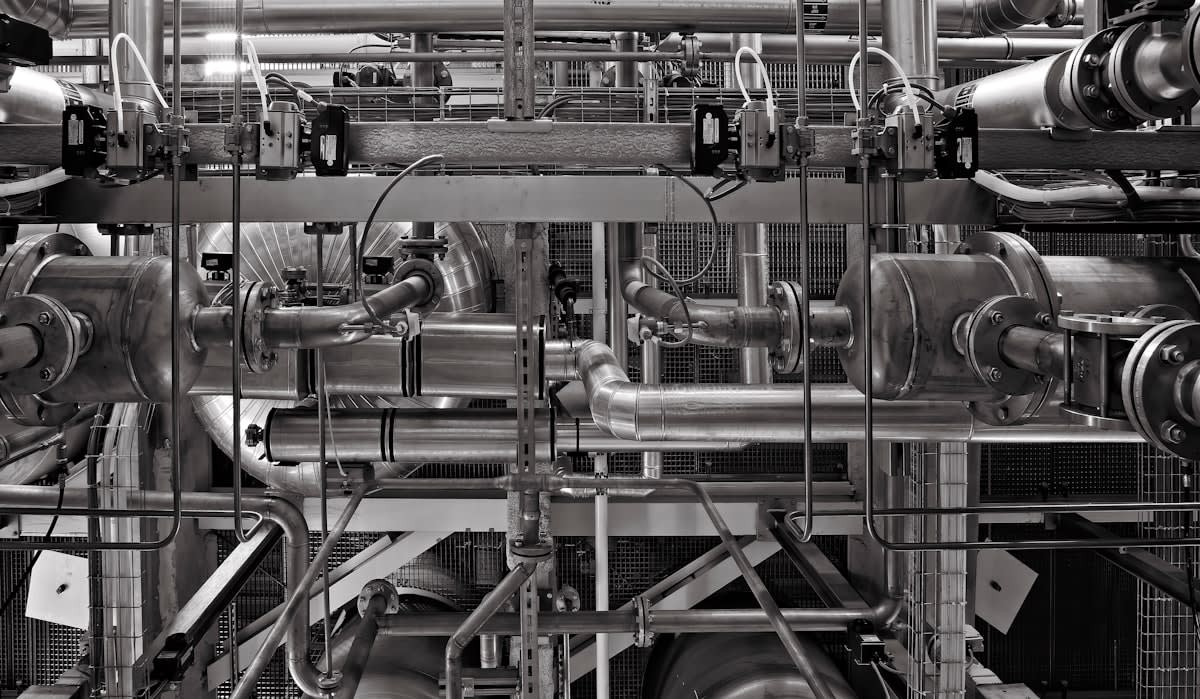
The emergence of the 'Carnot Battery' is perhaps the most significant trend of the last six months. Unlike traditional CSP, which requires the sun to heat the salt, a Carnot Battery uses excess wind or solar electricity to heat the salt via resistive heaters. This allows the system to be placed anywhere—not just in deserts. By decoupling the heat source from the storage medium, molten salt becomes a universal tool for grid arbitrage: buy cheap electricity at 3 AM, heat the salt, and sell it back to the grid at 6 PM during the peak demand surge.
- Material abundance: Salts are globally available, reducing reliance on critical mineral supply chains.
- Thermal inertia: Once heated, molten salt retains energy for days with minimal loss.
- Mechanical simplicity: Using steam turbines leverages 100 years of existing power plant engineering.
- Scalability: Increasing capacity simply requires larger tanks, not more expensive cells.
Looking ahead, the geopolitical implications are stark. Countries that control the salt chemistry and the specialized alloys required for these plants will hold the keys to energy sovereignty. We are moving from a world of 'battery minerals' to a world of 'thermal infrastructure.' The winners won't be those with the most lithium, but those who can manage the thermodynamics of liquid heat at a planetary scale.
Fact-Check & Accuracy Note
Key claims regarding storage durations and the shift toward LDES are sourced from the IEA 2023 and IRENA 2024 reports. Data on chloride salt efficiency and alloy development is based on NREL research (2023). Note that the commercial viability of chloride-based systems remains an area of active debate due to the extreme corrosion rates observed in pilot plants.