Bill Gates says daughter Phoebe helped him understand the internet’s ‘big problem’
Source Entity
TOI TECH DESK
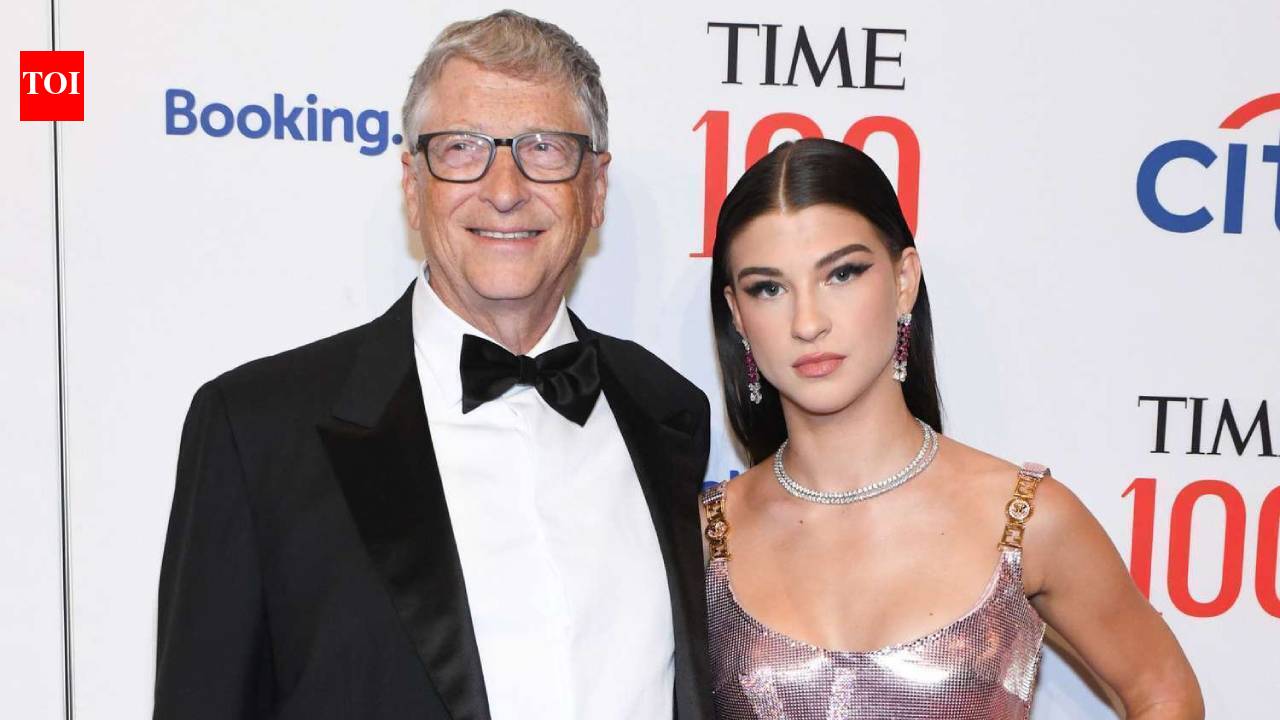
Bill Gates has acknowledged the severity of online harassment and misinformation after discussing these issues with his daughter, Phoebe Gates. He now recognizes the unique challenges posed by AI in accelerating the spread of false narratives.
The Evolving Perspective of a Tech Titan
Bill Gates, a foundational figure in the development of the modern internet, has recently undergone a significant shift in his perspective regarding the digital landscape. Through a candid dialogue with his daughter, Phoebe Gates, the Microsoft co-founder has begun to confront the darker side of the technology he helped build. By listening to Phoebe’s personal encounters with online harassment, Gates has moved beyond abstract technical optimism to acknowledge the visceral, human cost of unfiltered digital interaction.
The Human Toll of Digital Harassment
For decades, the promise of the internet centered on connectivity and the democratization of information. However, the experience shared by Phoebe Gates highlights a stark reality: the same platforms that foster global communication also serve as breeding grounds for targeted abuse. By grounding his realization in his daughter's lived experience, Gates has signaled a shift in the discourse from corporate responsibility to the personal, psychological toll that toxic online environments extract from individuals, particularly younger users.
The Acceleration of Misinformation via AI
One of the most critical aspects of this new understanding is the role of Artificial Intelligence in amplifying societal discord. Gates noted that the rapid evolution of AI technology has made the spread of misinformation not only easier but significantly faster and more convincing. As AI tools lower the barrier for creating hyper-realistic synthetic media, the challenge of verification becomes exponentially more complex, threatening the integrity of public discourse and individual reputations.
The Irreversibility of False Narratives
Perhaps the most sobering admission from Gates is the acknowledgment of the 'irreversible damage' caused by false narratives. In the digital age, speed is the primary currency of information; by the time a correction is issued, the original, often inflammatory, content has already permeated the public consciousness. This 'first-mover advantage' for misinformation makes the traditional model of fact-checking and subsequent correction largely ineffective in preventing social or reputational harm.
Future Trends and Regulatory Implications
As Gates reflects on these challenges, the broader implications for the tech industry are profound. We are likely to see a shift toward more robust, AI-driven content moderation strategies and a greater emphasis on digital safety architecture. The industry is reaching a tipping point where the 'move fast and break things' ethos of the early web is being replaced by a necessary focus on safety, accountability, and the long-term preservation of digital truth.
Conclusion: A New Era of Responsibility
Ultimately, this dialogue marks a pivotal moment in how influential tech leaders perceive their legacy. By recognizing the limitations of existing safeguards against misinformation, Gates is aligning himself with a growing movement that demands more stringent ethical frameworks for emerging technologies. The future of the internet will likely be defined by a delicate balance between preserving free expression and implementing systemic protections against the harms that have now become undeniably apparent.