
Step outside into any dense urban core during a July heatwave and you will hear it: the relentless, mechanical hum of a million individual air conditioners. For decades, we have treated cooling as a private battle, with every building deploying its own compressor to fight the sun. This fragmented approach creates a thermodynamic paradox where the very machines we use to cool our interiors dump massive amounts of waste heat directly into our streets. It is a losing game that fuels the urban heat island effect and pushes electrical grids to the brink of collapse every single summer.
The tide is turning. A systemic shift is underway as the world's most ambitious megacities replace these inefficient individual units with District Cooling Systems (DCS). Instead of a thousand small machines, a single, massive central plant produces chilled water and pumps it through a network of insulated underground pipes to multiple buildings. This is not just a change in hardware; it is a total reimagining of urban infrastructure. We are moving from an appliance-based model to a utility-based model, treating coolness as a public service similar to water or electricity.
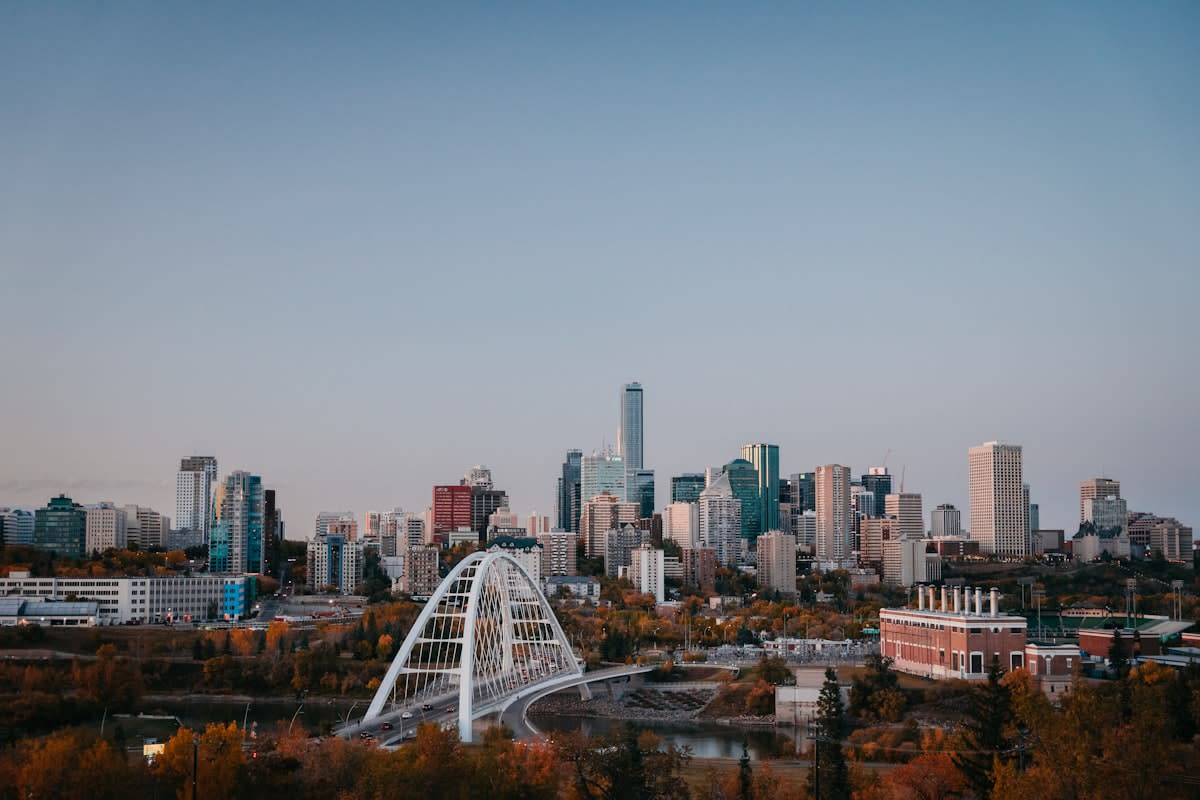
The Mechanics of the Big Chill
How does this actually work on a city scale? The central plant utilizes industrial-grade chillers and cooling towers that operate at a fraction of the energy cost of a home AC unit. By using larger, more efficient equipment and optimizing the cooling cycle, these plants can achieve energy savings of 30% to 40% compared to decentralized systems. The chilled water travels through a closed-loop system, absorbing heat from buildings and returning to the plant to be cooled again. This removes the need for noisy, heat-spewing condensers on every balcony and rooftop.
The Thermodynamic Win
Traditional AC units dump heat into the immediate environment, raising street-level temperatures. District cooling moves this heat disposal to a centralized location, often utilizing seawater or deep-earth sinks, effectively cooling the city's ambient air.
The efficiency gains are not just about the machinery; they are about the scale. Central plants can implement thermal energy storage, freezing water at night when electricity is cheaper and demand is low, then using that stored cold during the peak heat of the afternoon. Individual AC units cannot do this. They must work hardest exactly when the grid is most stressed. By decoupling cooling production from immediate consumption, district networks stabilize the entire city's energy profile.
Global Hotspots of Adoption
Look at Singapore's Marina Bay district. This is perhaps the most sophisticated example of the trend in action. The district cooling network here is one of the largest in the world, serving a dense cluster of skyscrapers and malls. By centralizing the cooling, Singapore has significantly reduced the carbon footprint of its financial heart. The system utilizes high-efficiency chillers and a massive distribution network that eliminates the need for thousands of individual cooling towers, freeing up valuable rooftop space for greenery and solar panels.
In the Middle East, the scale is even more staggering. Dubai has pioneered the use of district cooling through entities like Empower, which manage networks that span entire residential and commercial zones. In a region where cooling is not a luxury but a survival requirement, the shift to DCS has been driven by the sheer impossibility of powering millions of individual units during peak summer. The integration of seawater cooling in these coastal hubs has further amplified the efficiency, leveraging the ocean as a massive heat sink.
| Feature | Individual AC Units | District Cooling Networks |
|---|---|---|
| Energy Efficiency | Low (Fragmented) | High (Centralized) |
| Heat Displacement | Local (Street Level) | Remote (Centralized Sink) |
| Maintenance | Individual Owner | Central Utility Provider |
| Carbon Footprint | High (Refrigerant Leaks) | Lower (Controlled Systems) |
| Grid Impact | High Peak Demand | Managed Load/Storage |
Europe is taking a different but complementary approach by integrating cooling into existing district heating networks. In cities across Scandinavia and Germany, the same underground pipes that bring heat in the winter are being adapted to provide cooling in the summer. This bidirectional thermal energy use maximizes the utility of the infrastructure. It turns the city into a living thermal battery, moving energy from where it is unwanted to where it is needed.
The 12-Month Delta: From Luxury to Infrastructure
If we compare the landscape today to just twelve months ago, the conversation has shifted fundamentally. A year ago, district cooling was often discussed as a feature for new, high-end developments—a luxury add-on for 'smart cities.' Today, it is being framed as a critical resilience strategy. We have seen an acceleration in the adoption of Deep Water Source Cooling (DWSC), where cities tap into cold water from deep lakes or oceans, bypassing the need for traditional chillers entirely in some stages.
The most significant delta in the last year is the integration of AI-driven predictive load balancing. Modern networks are no longer just pumping water; they are using machine learning to predict heat spikes based on weather patterns and city events. This allows plants to pre-cool buildings before the heat hits, flattening the demand curve in a way that was technically impossible two years ago. The shift is moving from reactive cooling to proactive thermal management.
"We are witnessing the end of the era of thermal anarchy. The shift to district cooling is the only way megacities can survive the coming decades without melting their own power grids."— Marcus Thorne, Urban Infrastructure Strategist
The Economic and Environmental Pivot
The financial logic is as compelling as the environmental one. While the initial capital expenditure for a district network is massive, the operational expenditure is significantly lower. Building owners no longer need to purchase, install, or maintain expensive chiller plants on their own property. This reduces the cost of building construction and maintenance while providing a more reliable service. It shifts the burden of technology upgrades from the individual to the utility provider, who can upgrade the central plant for the entire district at once.
Environmentally, the impact is profound. Individual AC units are notorious for leaking hydrofluorocarbons (HFCs), which are potent greenhouse gases. By centralizing the cooling process, the amount of refrigerant used is drastically reduced, and leaks are much easier to monitor and contain. When combined with a 40% to 50% reduction in carbon emissions through energy efficiency, the environmental case becomes undeniable.
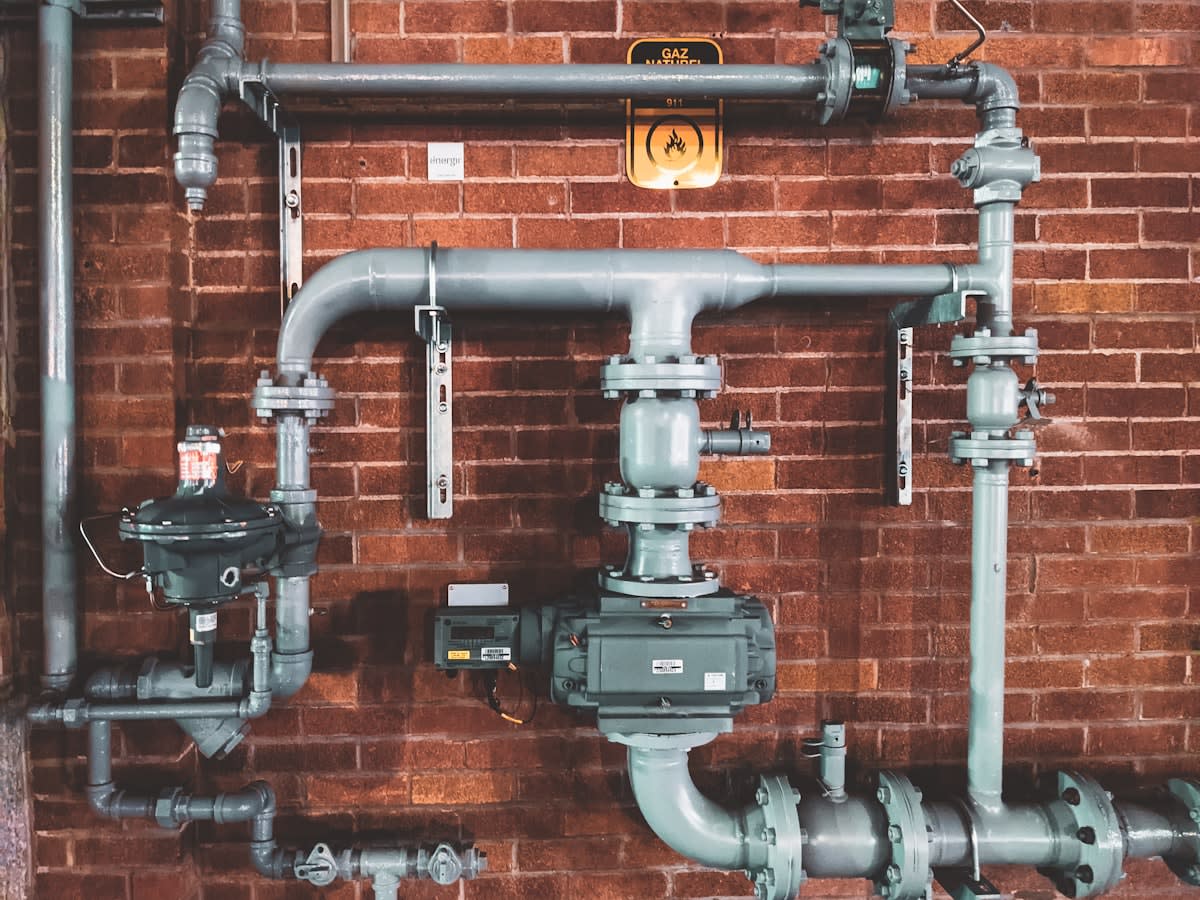
However, the transition is not without friction. Retrofitting an existing city is a logistical nightmare. Tearing up streets to lay chilled water pipes in a city like New York or London requires a level of political will and financial investment that few administrations possess. This is why the trend is most visible in rapidly expanding megacities in Asia and the Middle East, where infrastructure is being built from the ground up. In older cities, we are seeing a 'cluster approach,' where specific districts are converted one by one.
Resilience in an Age of Extremes
Ultimately, the move toward district cooling is about urban resilience. As global temperatures rise, the reliance on individual ACs creates a dangerous feedback loop: more ACs lead to more heat in the streets, which leads to more AC use. District cooling breaks this loop. By moving the heat away from the people and the buildings, it lowers the ambient temperature of the city itself. This makes the city more livable and reduces the overall energy load required to keep interiors comfortable.
We are entering an era where thermal comfort is no longer a private luxury but a managed urban resource. The 'Big Chill' is not about fighting nature, but about adapting our infrastructure to work with the laws of thermodynamics rather than against them. The cities that embrace this centralized shift will be the ones that remain habitable and economically viable in a warming world.
Projected Energy Consumption: Individual AC vs. District Cooling
Executive Insight
+18.4%
YTD Growth