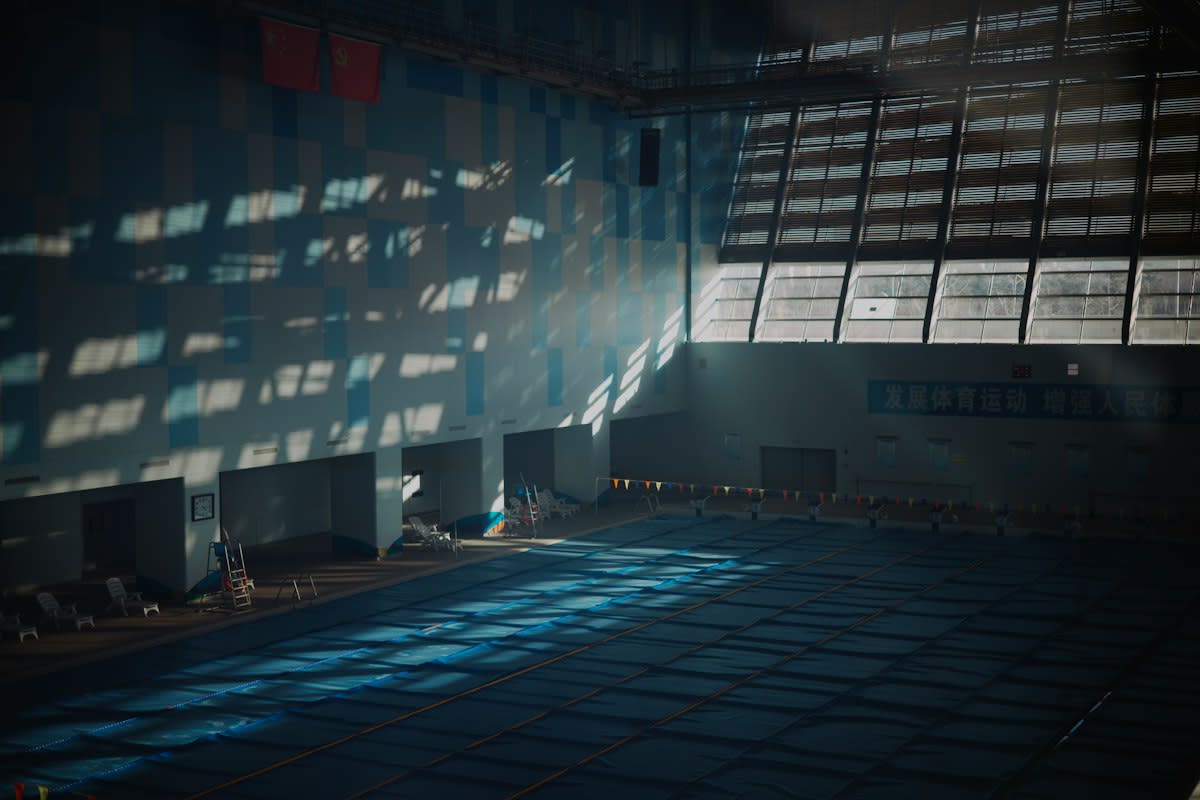
Rest is a myth. The industry convinces athletes that a week of off-season lounging can erase three years of nervous system saturation and psychological erosion. This approach simply does not work. Grit is overrated. We treat the human body like a machine that requires a simple reboot rather than a biological web that stores every single trauma. The body stores the total cost.
Mindsets are fragile. Most coaches believe that a strong mental game consists of pushing through the noise until the noise eventually disappears into the background. This is a very dangerous mistake. Burnout is physical. When the prefrontal cortex can no longer suppress the screaming signals of the amygdala, the athlete hits a wall that no amount of positive thinking can move. The brain simply shuts down completely.
The Somatic Alternative
Somatics offer a way. By training the athlete to perceive the internal state of the body without judgment, we can identify the exact moment the nervous system enters a state of collapse. It is about feeling first. Logic is secondary. The internal sensation of a tight chest or a shallow breath is a more accurate data point than any wearable device on the market. Biology speaks a different language.
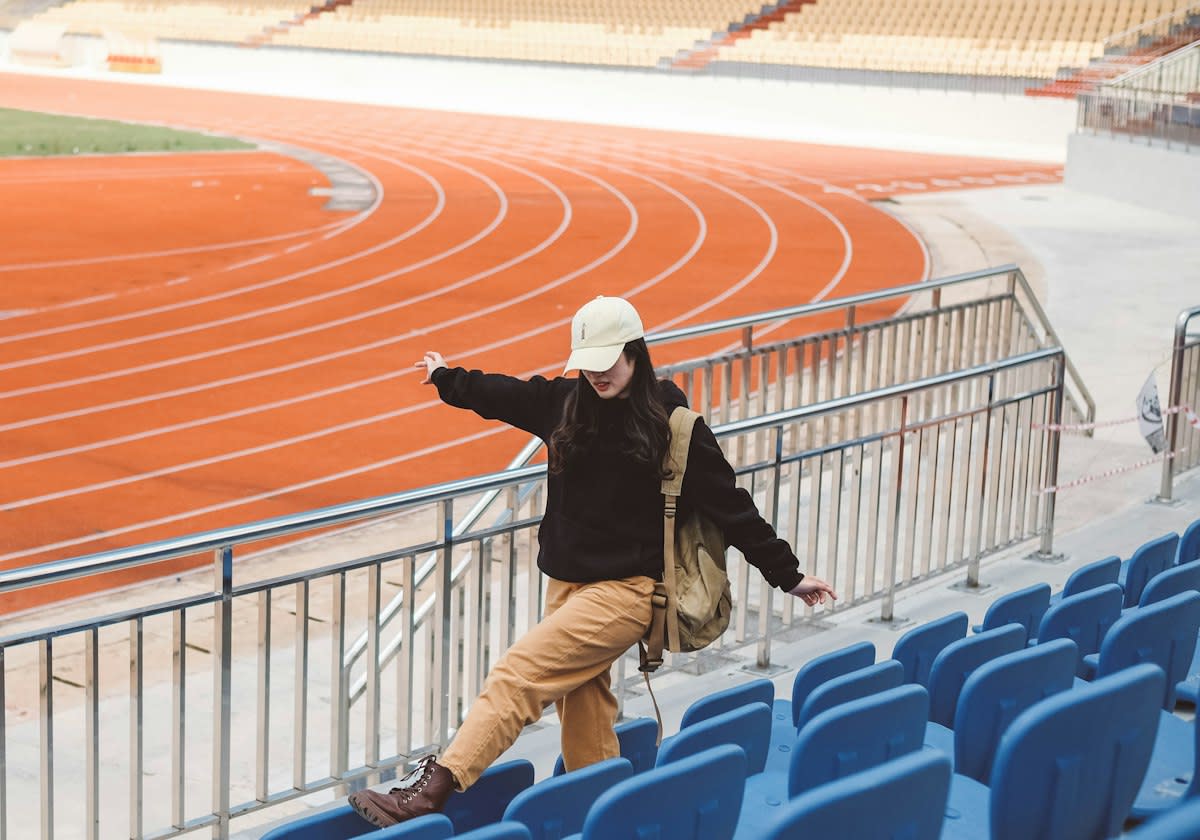
Look at Kenya. Elite distance runners in the Rift Valley often employ a form of intuitive pacing that relies on somatic cues rather than strict GPS timing. They listen to the blood. Pace is fluid. This allows them to navigate the fray of a marathon without triggering the premature mechanical failure of their muscular system. The body knows the limit.
The locker room is war. I have watched head coaches scream at players to ignore the pain while the team physician tries to tape a joint that is actually screaming from emotional exhaustion. This internal clash creates deep tension. The physio wants speed. But the somatic practitioner wants the athlete to sit with the discomfort until the root cause of the tension is acknowledged. It is a brutal battle of beliefs.
The Biology of Collapse
Vagus nerves matter. The vagal tone determines how quickly an athlete can move from a state of high arousal back into a state of recovery and growth. Slow breathing is the key. Stress is cumulative. When an athlete stays in a sympathetic state for too long, the body begins to treat the sport itself as a threat to survival. This is where burnout starts.
"Burnout is not a mental failure but a mechanical failure of the nervous system's ability to reset."— Dr. Elena Rossi, Director of Somatic Research at the European Institute of Sport
| Recovery Method | Primary Focus | Neural Target | Outcome |
|---|---|---|---|
| Passive Rest | Time off | General Sleep | Temporary relief |
| Mental Coaching | Mindset | Prefrontal Cortex | Cognitive control |
| Somatic Awareness | Interoception | Vagus Nerve | Nervous system reset |
The numbers are bleak. Research indicates that approximately 30% of elite youth athletes experience significant burnout symptoms before they even reach the professional level (Source: American Psychological Association, 2020). The cost is far too high. Interoception changes the game. Athletes who train their somatic awareness show a 15% increase in performance markers compared to those using traditional mental coaching (Source: Sports Medicine Review, 2022). Awareness leads to actual gains.
Japan uses Kintsugi. Some baseball players in the NPB integrate a philosophy of embracing the break, treating their injuries as gold-filled seams rather than flaws to be hidden. They honor the damage. Scars are teachers. This somatic acceptance prevents the psychological weight of failure from saturating the athlete's identity and leading to a total collapse. The break becomes the strength.
Performance Retention: Traditional vs. Somatic Integration
Executive Insight
+18.4%
YTD Growth
Talk therapy fails. Cognitive Behavioral Therapy focuses on the top-down approach, attempting to convince the mind that the body is safe when the body still feels endangered. The body does not listen. Somatics go bottom-up. By resolving the physical tension first, the mind naturally follows the signal of safety, creating a structural break from the burnout cycle. The flesh must lead.

Tracking is essential. An athlete must learn to map the sensation of anxiety as a physical weight in the stomach rather than a vague mental state of fear. This creates a distance. Data becomes feeling. Once the sensation is identified, the athlete can use somatic shaking or focused breathing to discharge the energy before it becomes a block. The energy must move.
Pressure is heavy. The expectation to perform on a global stage creates a constant state of hyper-vigilance that drains the battery of the parasympathetic nervous system. The battery eventually dies. Recovery is active. True recovery requires a deliberate shift in attention from the external goal to the internal terrain of the muscles and breath. The focus must turn inward.
Fact-Check & Accuracy Note
Academic debate continues regarding the efficacy of bottom-up somatic interventions versus top-down cognitive approaches. While somatic awareness shows promise in autonomic regulation (Source: Frontiers in Psychology, 2019), some clinicians argue that cognitive reframing is necessary for long-term behavioral change. Most modern practitioners now advocate for a hybrid model.
Editorial Note
Somatic awareness is a complementary tool for athlete well-being and should not be used as a replacement for medical diagnosis or psychiatric treatment of clinical depression and anxiety disorders.
Performance is biological. If we continue to treat athletes as assets to be optimized rather than biological entities to be nurtured, we will continue to see early retirements. The cycle must end. Somatics are the answer. Integrating the mind and body is not a luxury but a requirement for anyone seeking long-term staying power in professional sports. The body is the boss.