The Sterile Lie
Cleanliness is a lie. Or rather, it is a half-truth that we have scaled into a global religion. For decades, the prevailing wisdom suggested that the fewer microbes we encountered, the healthier we would be. We treated the home as a fortress and the skin as a border to be bleached. But this scorched-earth approach to domestic hygiene has created a contradiction: by eliminating the threats, we have accidentally disabled the defense system itself.
The human immune system does not simply exist; it learns. It requires a constant stream of biological data to distinguish between a deadly pathogen and a harmless piece of pollen. When we remove this data through obsessive scrubbing and antibacterial obsession, the system enters a state of boredom and confusion. Instead of fighting external invaders, it begins to attack the self, leading to the explosive rise of asthma, eczema, and Type 1 diabetes (Source: The Lancet, 1989).
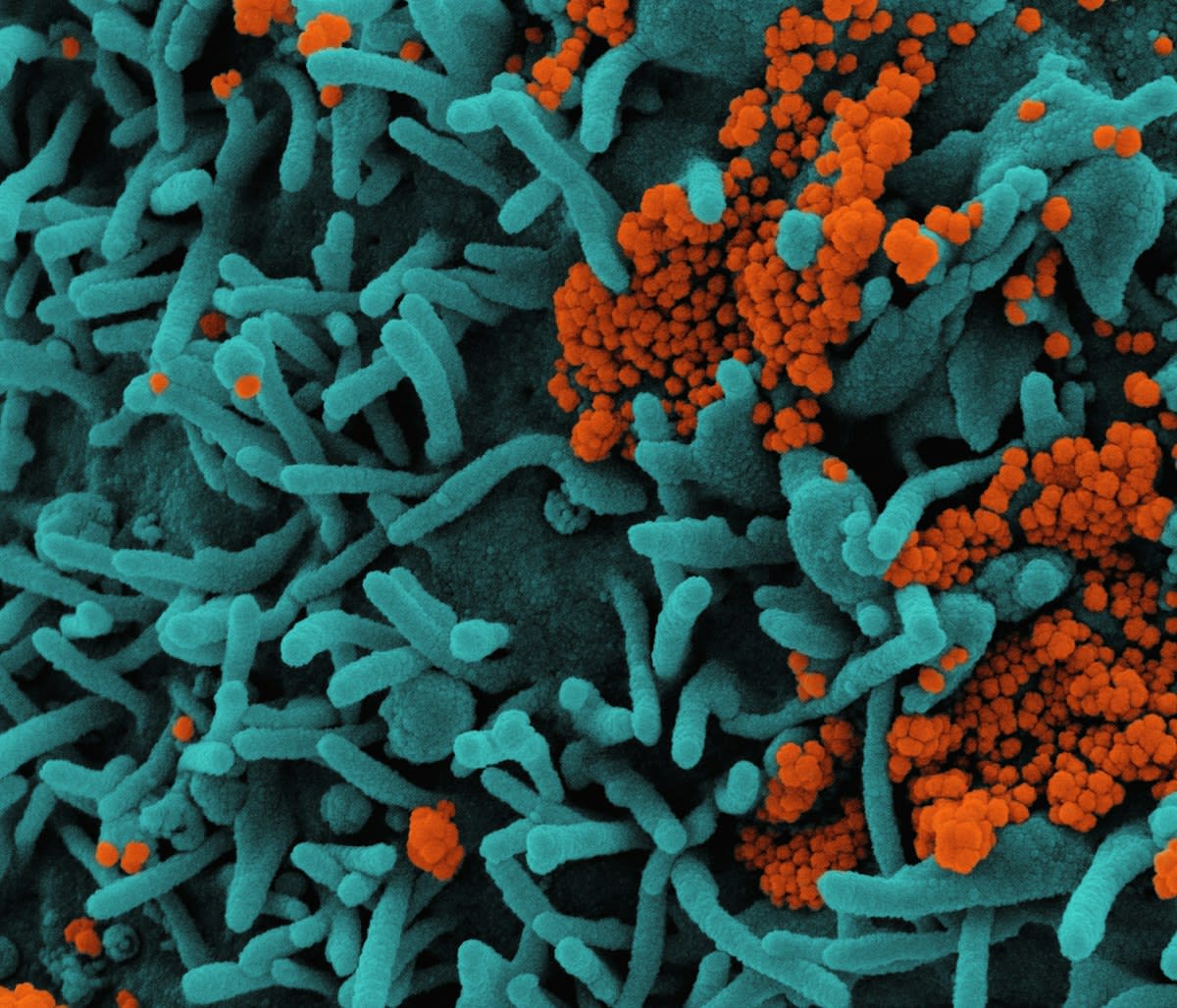
This is not a theoretical glitch. It is a structural break in how the human body manages inflammation. The biological mechanism relies on a balance between Th1 and Th2 immune responses. Th1 cells handle intracellular pathogens, while Th2 cells manage parasites and allergens. In a sterile environment, the Th1 response remains under-stimulated, leaving the Th2 response to run wild and overreact to benign substances (Source: Nature Reviews Immunology, 2020).
The Hygiene Hypothesis and the Old Friends
The first real crack in the cleanliness narrative appeared when researchers noticed a strange trend in family sizes. David Strachan observed that children with more older siblings had lower rates of hay fever and asthma. The logic was simple: more siblings meant more exposure to common infections, which effectively trained the immune system. This became known as the Hygiene Hypothesis, asserting that early childhood exposure to microbes is a prerequisite for a functioning immune system (Source: British Medical Journal, 1989).
"The immune system is like a muscle; if it does not have a weight to lift, it atrophies or starts attacking the body itself."— David Strachan, Epidemiologist
Modern science has evolved this into the Old Friends hypothesis. This theory suggests it is not just about common colds, but about the symbiotic microbes we evolved with over millennia. These include soil-based organisms, helminths, and commensal bacteria. When we move from the dirt of a farm to the sealed environment of a high-rise apartment, we lose these old friends, and our immune systems lose their regulatory guides (Source: Science, 2016).
Look at the global terrain to see this in action. In rural farming communities in Ethiopia or the highlands of Vietnam, the prevalence of autoimmune diseases is negligible. These populations live in constant contact with livestock and unpasteurized soil. Their immune systems are perpetually engaged, not in a state of crisis, but in a state of active calibration. In contrast, children in London or New York are born into a world of antibacterial wipes and filtered air, resulting in a massive spike in allergic sensitivities (Source: World Allergy Organization, 2021).
| Environment Type | Microbial Diversity | Asthma Prevalence | Autoimmune Risk |
|---|---|---|---|
| Urban Western | Low | High | High |
| Rural Global South | High | Low | Low |
| Traditional Agrarian | Very High | Very Low | Negligible |
We are seeing a hard turn in how we perceive dirt. The goal is no longer total eradication but strategic exposure. This is the new playbook for immunological health. By reintroducing controlled amounts of environmental diversity, we can potentially reset the Th1/Th2 balance and stop the body from treating a peanut or a dust mite as a lethal threat.
The Invisible Friction: Industry vs. Immunology
Inside the halls of public health and consumer goods, there is a silent war. On one side, you have the sanitization industry, which has built a multi-billion dollar empire on the fear of germs. They sell the idea that a sterile home is a safe home. On the other side, immunologists are quietly warning that this obsession is creating a long-term health deficit. The friction occurs when public health mandates clash with biological needs.
The COVID-19 pandemic accelerated this tension. The world entered a phase of hyper-sanitization where hand sanitizer became a social currency. While necessary for stopping a specific viral spread, the prolonged use of broad-spectrum antibacterial agents has decimated the skin microbiome. Practitioners on the ground have noted an increase in skin barrier breakdowns and opportunistic fungal infections as the beneficial bacteria are wiped out along with the pathogens.
The real industry debate centers on the definition of a safe environment. Is safety the absence of all microbes, or is it the presence of the right ones? Most consumer products are designed for the former, ignoring the complexity of the microbial web. This gap in understanding is where the most significant health risks now reside.
We must stop viewing the environment as a battlefield. Instead, we should view it as a library of biological instructions. Every encounter with a non-pathogenic microbe is a page read by the immune system. When we bleach the library, we leave the body illiterate, unable to read the difference between a threat and a friend.
Fact-Check & Accuracy Note
The Hygiene Hypothesis does not suggest that we should abandon basic sanitation or return to living in filth. It distinguishes between harmful pathogens (like cholera or polio) and commensal microbes (like those found in soil and on pets). The academic debate now focuses on the precise timing of exposure, with evidence suggesting that the first 1,000 days of life are the critical window for microbial education (Source: Nature, 2020).
The path forward requires a shift in our daily habits. It means letting children play in the dirt, reducing the use of harsh antibacterial soaps, and embracing a more diverse diet that supports the gut microbiome. The staying power of our health depends on our ability to coexist with the microbial world rather than trying to conquer it.
Ultimately, our quest for purity has left us fragile. We have traded the risk of a few childhood infections for the lifelong burden of chronic autoimmune disease. By rebuilding our relationship with the natural microbial terrain, we can move beyond the sterility trap and restore the body's innate ability to protect itself.