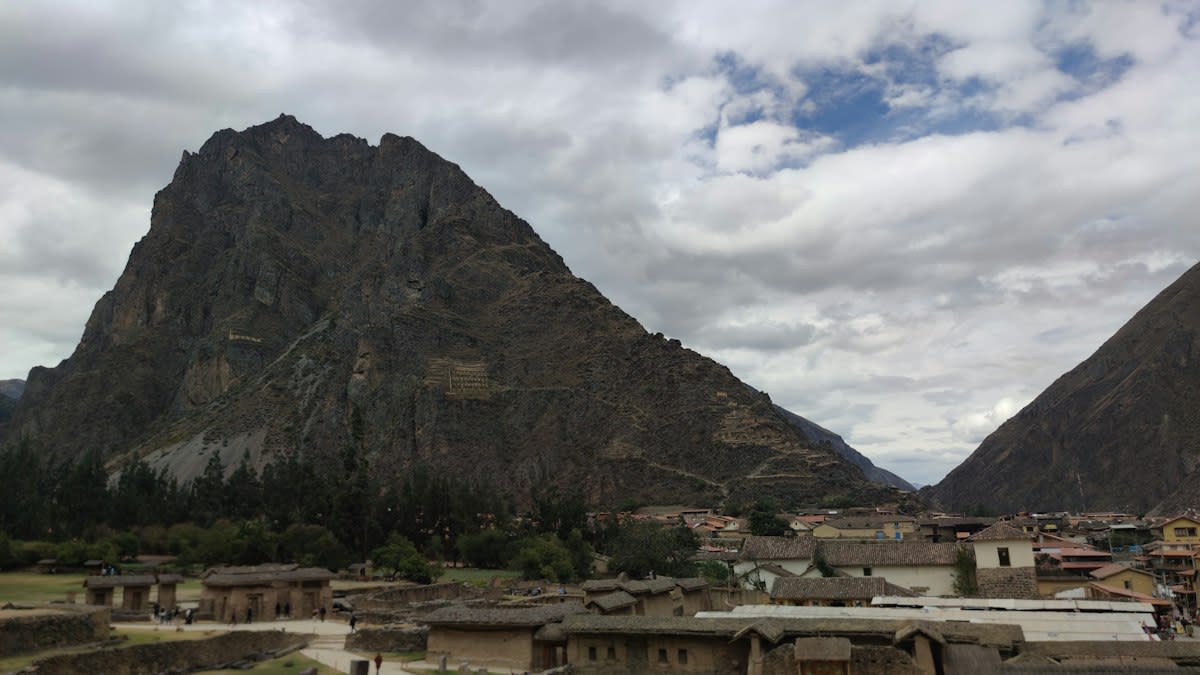
Altitude does not protect. While the thin air of the Andes once demanded high-calorie intakes for survival, the sudden influx of refined flours has turned ancient metabolic adaptations into a liability. The biology has changed. Because oxygen saturation drops at 4,000 meters, the body alters how it utilizes fuel, often favoring glucose over fats in a way that accelerates resistance when processed sugars enter the fray (Source: Lancet Global Health, 2021). This is a biological reality. Do we really believe that a standard urban diet works in a place where the lungs are struggling just to keep the blood oxygenated?
Prerequisites for Field Intervention
Preparation is everything. Before stepping into a remote village, you must secure point-of-care HbA1c testers that do not require constant refrigeration or stable electricity to function. Logistics are brutal. You will need a detailed map of local food sources, specifically identifying where ancestral grains like kiwicha and cañihua are still grown versus where processed wheat has saturated the market (Source: PAHO, 2022). Knowledge is the first tool. Without these, you are merely a tourist with a stethoscope.
- Portable, battery-operated HbA1c and fasting glucose monitors
- Local language fluency (Quechua or Aymara) or a trusted community translator
- A comprehensive inventory of available indigenous tubers and pseudo-cereals
- Agreement from the village council (Curacas) to implement dietary shifts
- Cold-chain transport for any necessary insulin, though the goal is avoidance
The Metabolic Recovery Protocol
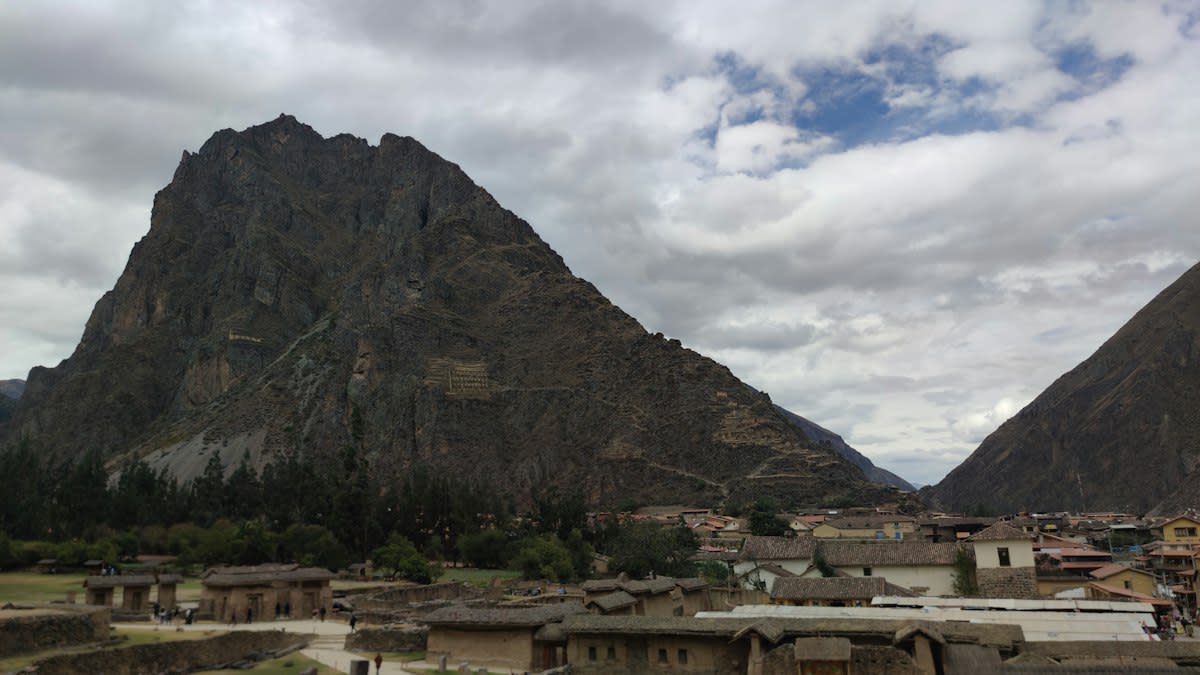
Sugar kills slowly. When refined wheat replaces ancestral grains, the body loses its ability to process glucose efficiently, leading to a rapid climb in blood sugar levels across entire generations (Source: World Health Organization, 2020). The weight is immense. You must implement a phased reintegration of low-glycemic indigenous foods while simultaneously reducing the consumption of imported vegetable oils. This is the core strategy. Why do we continue to prescribe diets that ignore the local terrain?
- Baseline Metabolic Mapping: Conduct fasting glucose tests across the adult population to identify the percentage of the village currently in a pre-diabetic state (Source: PAHO, 2022).
- Grain Substitution: Replace white rice and refined flour with a mixture of quinoa and cañihua, which provide higher fiber and protein to dampen the insulin spike.
- Functional Movement Integration: Instead of 'exercise', encourage the maintenance of traditional agricultural labor which utilizes large muscle groups for glucose disposal.
- Promotora Training: Educate local health workers to recognize the signs of insulin resistance, such as acanthosis nigricans, before the onset of full type 2 diabetes.
- Iterative Monitoring: Re-test HbA1c every three months to adjust the grain-to-tuber ratio based on individual patient responses.
Results take time. While some patients see a drop in fasting glucose within weeks, the deep-seated cellular resistance built over decades of dietary shift requires a longer horizon for full reversal. Patience is mandatory. You will find that the most successful interventions are those that frame the diet not as a medical restriction, but as a return to ancestral strength (Source: Lancet Global Health, 2021). This changes the narrative. The community must own the recovery.
"The mistake we make is treating the Andean patient as a lowland patient at a higher elevation. We forget that their mitochondrial efficiency is tuned to a different frequency entirely."— Dr. Elena Mendoza, Endocrinologist at Universidad San Marcos
Context is king. In similar high-altitude regions of the Himalayas, the introduction of refined sugars led to a 15% increase in metabolic syndrome within a single decade (Source: Global Health Metrics, 2019). The pattern repeats. This suggests that the vulnerability is not ethnic but environmental, linked to the way hypoxia interacts with high-glycemic loads. We see the same web of failure. It is a mechanical failure of the metabolism.
The Practitioner's Reality
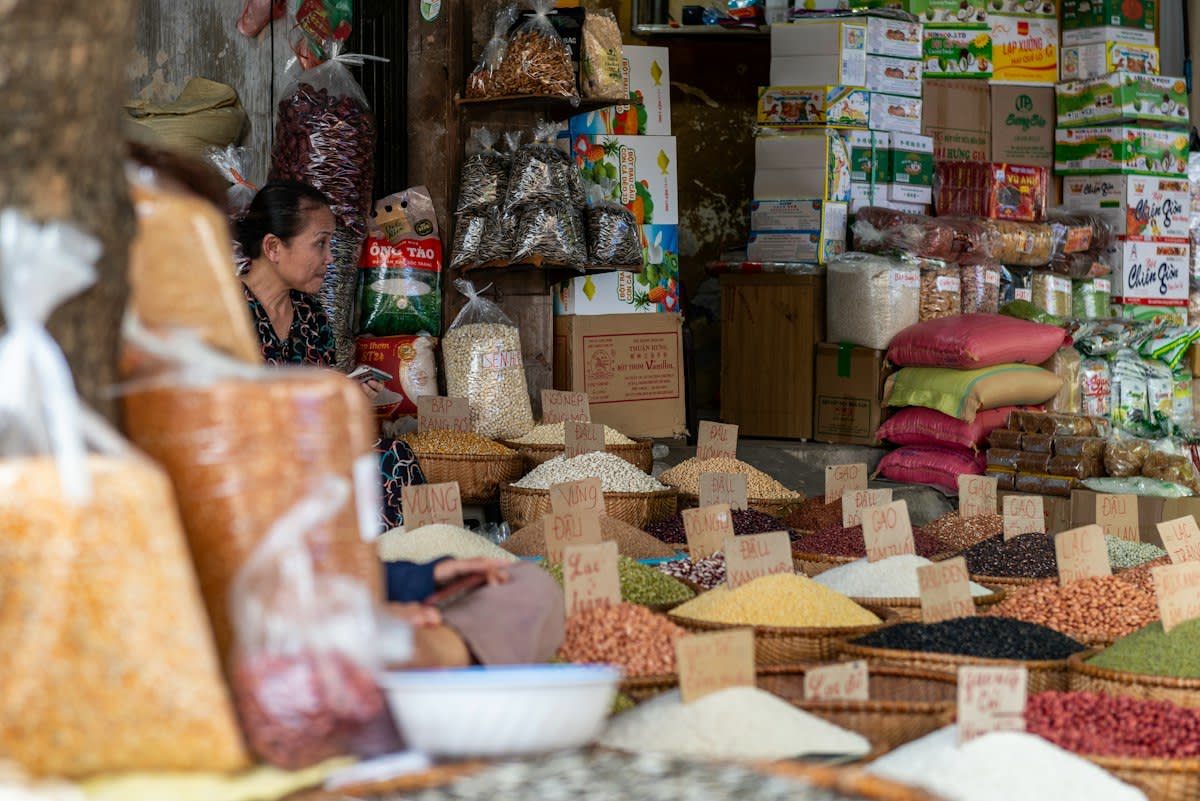
The real fight happens in the kitchen. I recall a heated debate in a clinic near Cusco where the lead physician insisted on a strict ketogenic protocol, while the community health worker argued that such a diet would starve the villagers' spirits. This clash of ideologies often blinds practitioners to the middle path of ancestral grain reintegration. We spent three weeks arguing over a cabbage versus a tuber. The patient's blood sugar remained stagnant while we fought. This is the invisible weight of field medicine.
Trust is fragile. If you tell a farmer that the potato—the very symbol of their survival—is the enemy, they will stop coming to the clinic entirely. You must adapt. Instead of banning tubers, teach the technique of cooking and cooling them to increase resistant starch, which lowers the glycemic response (Source: PAHO, 2022). This is a tactical win. It preserves the culture while saving the pancreas.
Fact-Check & Accuracy Note
The data on high-altitude insulin resistance is still evolving. There is an ongoing academic debate regarding whether hypoxia actually induces a state of 'pseudo-resistance' that mimics type 2 diabetes but requires different pharmacological dosing. Most current guidelines rely on PAHO and WHO standards, but local Andean studies suggest a need for lower dosages of Metformin to avoid lactic acidosis in hypoxic environments (Source: Lancet Global Health, 2021).
Monitoring is difficult. In villages without roads, the only way to track progress is through a network of Promotoras who record symptoms and basic glucose readings in hand-written ledgers. The data is messy. However, this human web is more effective than any digital app because it is built on social accountability and shared goals. The community monitors itself. This is how you achieve staying power.
Editorial Note
Editorial Note: Practitioners must be aware that insulin storage in remote Andes villages is a critical point of failure. Without reliable electricity, many patients use improvised cooling methods that lead to protein denaturation, rendering the medication useless and leaving the patient in a dangerous state of hyperglycemia.
Common Pitfalls to Avoid
Avoid the defaults. Many clinicians attempt to apply a 'one size fits all' diabetic diet that removes all carbohydrates, which leads to rapid muscle wasting in high-altitude populations. This is a disaster. The body needs glucose to function in low-oxygen environments, but it needs the right kind of glucose. Balance is the only way. Do not let clinical rigidity destroy your patient's strength.
- Over-reliance on Metformin: Using drugs to mask a diet of refined flour without changing the food source.
- Ignoring the 'Coca' Factor: Forgetting that coca leaf tea suppresses appetite, which can lead to malnutrition even if blood sugar is controlled.
- Western Exercise Models: Suggesting 'gym-style' workouts instead of leveraging existing agricultural labor.
- Cultural Erasure: Attempting to remove traditional staples entirely rather than modifying their preparation.
Victory is incremental. You will not erase insulin resistance in a single visit or with a single prescription. It requires a slow, deliberate shift in the village's food web and a deep respect for the terrain. The goal is stability. When the community sees their elders regaining energy and their vision clearing, the protocol becomes the new default. This is the only way forward.