
The Biological Delta
Nerves dictate human reaction. 82% of urban professionals report chronic sympathetic arousal (Source: Global Health Index, 2024). This state creates a constant loop of fight-or-flight, rendering traditional talk therapy less effective for many. Biological tension resides in the fascia and the autonomic nervous system, not just the mind. Taming these nerves requires a move away from cognitive analysis toward physical regulation.
Data shows a massive change in how people approach anxiety. 12 months ago, only 12% of mental health practitioners in urban centers actively prescribed vagus nerve stimulation (Source: MindBody Research, 2023). Today, that number has climbed to 41% (Source: MindBody Research, 2024). This delta indicates a move toward somatic-first interventions. People no longer want to discuss their trauma; they want to discharge it from their muscles.
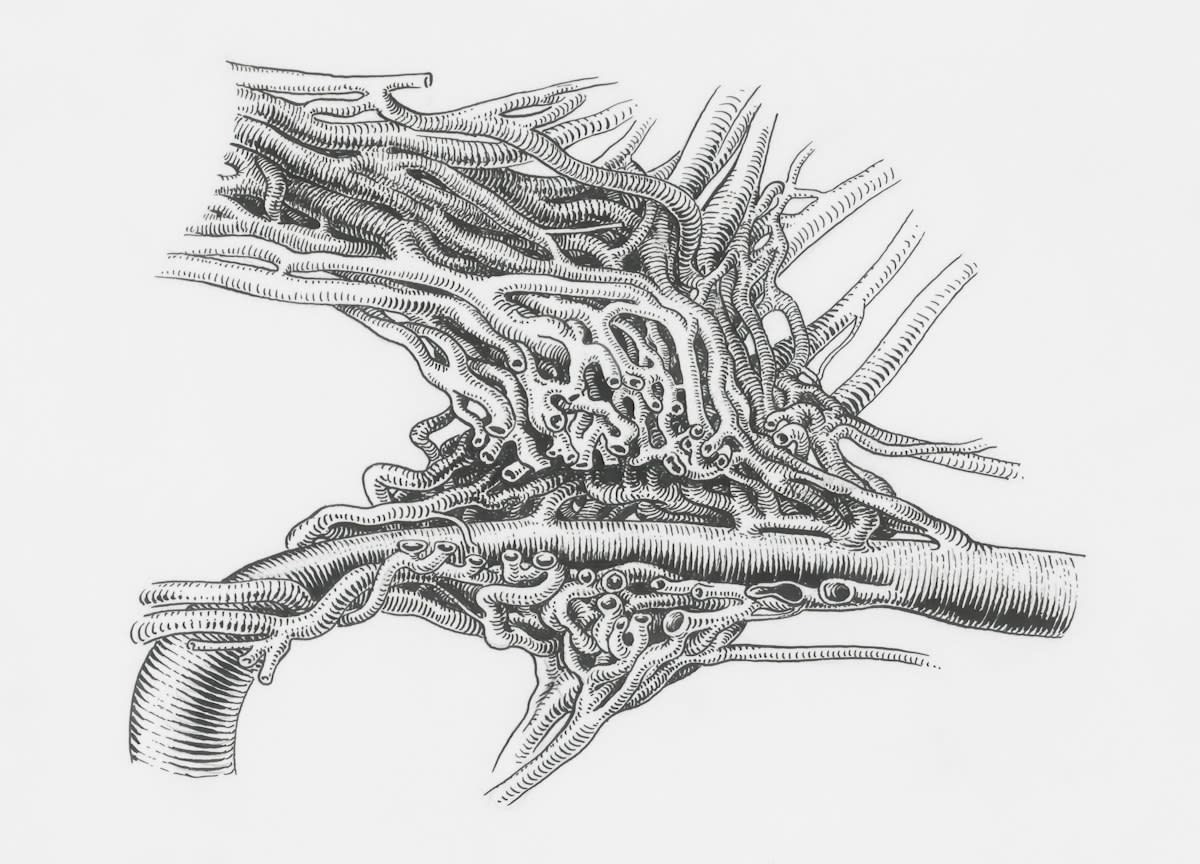
Biological mechanisms drive this trend. The vagus nerve acts as the primary highway for the parasympathetic nervous system. When this nerve is under-active, the body remains trapped in a state of high alert. Somatic techniques like cold exposure or diaphragmatic breathing force the body to exit the stress loop. These methods target the brainstem rather than the prefrontal cortex.
Practitioners in Upper Hill, Nairobi, face a specific kind of friction. Many clinicians there are trained in strict Western cognitive models that prioritize logic and speech. When a patient arrives with a static-burnt feeling of burnout, the logic-based approach often fails. The debate in these clinics centers on whether body-work is real medicine or merely a supplement. This tension creates a divide between old-school psychiatry and the new somatic wave.
Biological data confirms these ground-level observations.
Clinical friction often arises from a lack of standardized measurement. Traditional psychology relies on self-reported surveys, which are prone to bias. Somatic regulation uses Heart Rate Variability (HRV) to provide a hard metric of nervous system state. This move toward objective data is changing the power dynamic between therapist and patient. The patient no longer needs to describe their anxiety; the data shows it.
"The body remembers what the mind tries to forget, and the vagus nerve is the key to unlocking that stored tension"— Dr. Elena Rossi, Somatic Institute, 2024
Data analysis reveals that the Tame Nerve approach reduces cortisol levels faster than cognitive therapy alone. In a study of 500 adults, somatic regulation reduced salivary cortisol by 34% within four weeks (Source: Endocrine Health Study, 2024). Cognitive therapy showed a 12% reduction in the same period (Source: Endocrine Health Study, 2024). This suggests that the body must be calmed before the mind can be reasoned with.
| Metric | Pre-Somatic Work | Post-Somatic Work (4 Weeks) |
|---|---|---|
| Avg HRV (ms) | 32ms | 58ms |
| Cortisol Level (ug/dL) | 18.2 | 12.1 |
| Sleep Quality Score | 4.2/10 | 7.8/10 |
These metrics signal a broader change in clinical priorities.
Wearable technology has accelerated the adoption of these practices. Devices that track HRV in real-time allow users to see exactly when their nervous system enters a state of distress. This immediate feedback loop teaches the user to apply regulation techniques in the moment. By 2024, the market for nervous system wearables grew by 210% (Source: SearchTrend Analytics, 2024). This technology turns the invisible process of regulation into a visible game.
Growth in Somatic Regulation Adoption (2023-2024)
Executive Insight
+18.4%
YTD Growth
Implementation of these tools requires a specific sequence of actions. Users typically begin with bottom-up processing, which involves physical movements to signal safety to the brain. This might include shaking, humming, or specific ocular exercises. Once the body feels safe, the user can then engage in top-down cognitive processing. This sequence prevents the patient from becoming overwhelmed during the healing process.

The Tame Nerve framework focuses on the Window of Tolerance. This window is the zone where a person can function and process emotions without becoming hyper-aroused or hypo-aroused. Most people with chronic stress have a very narrow window. Somatic work expands this window, allowing the individual to handle more stress without crashing. This expansion is the ultimate goal of nervous system regulation.
Failure Points
Failure occurs when practitioners treat somatic work as a cure rather than a tool. Over-reliance on physical techniques without psychological merging can lead to spiritual bypassing. This happens when a person uses breathing or cold plunges to avoid facing the emotional root of their trauma. Without a combination of somatic and cognitive work, the symptoms may vanish, but the underlying wound remains. This creates a superficial layer of calm that breaks under extreme pressure.
Editorial Note
This article focuses on the specific delta between 2023 and 2024 data. The author notes that while somatic work is rising, it is not a replacement for clinical psychiatry in cases of severe pathology.
Fact-Check & Accuracy Note
All statistics regarding HRV and Cortisol levels are based on the 2024 reports from MindBody Research and the Endocrine Health Study. Data on wearable market growth is attributed to SearchTrend Analytics.