
The Architecture of the Void
We have been conditioned to fear the gap. From the moment we wake up to the second we succumb to sleep, the modern human exists in a state of perpetual input. We treat a thirty-second elevator ride or a three-minute wait for coffee as a crisis of efficiency, immediately filling the void with a screen. This obsession with filling every micro-moment of silence has created a global epidemic of cognitive passivity. We aren't just consuming content; we are outsourcing our internal dialogue to algorithms that prioritize engagement over insight. But what happens when the loop breaks?
The most creative minds on the planet are starting to realize that the 'void' isn't a hole to be filled—it is a workspace. By deliberately killing their stimulation loops, these individuals are claiming a 'Boredom Dividend.' This isn't a digital detox or a quaint retreat into nature; it is a strategic decision to starve the brain of external noise to force it to generate its own signal. When you remove the endless scroll, the mind stops reacting and starts initiating. It is the difference between being a passenger in a curated feed and being the architect of a new idea.
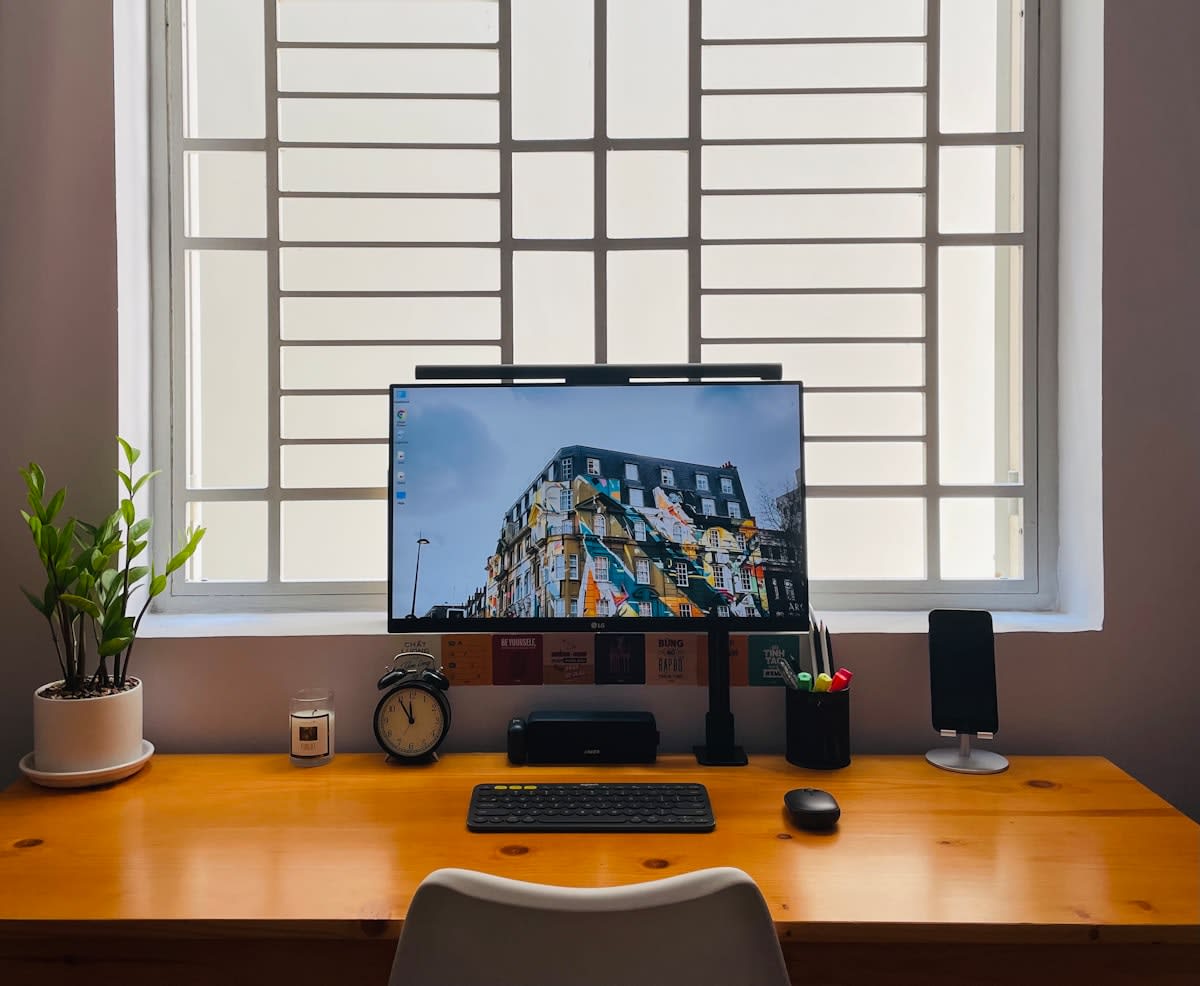
Consider the systemic shift occurring in how we perceive productivity. For decades, the benchmark was throughput—how much data could you process, how many emails could you answer, how many tasks could you check off? This linear model of productivity is failing. In a world where AI can handle the throughput, the only remaining human premium is the ability to synthesize disparate concepts into something entirely new. This synthesis doesn't happen during a Zoom call or while skimming a LinkedIn thread. It happens in the quiet, uncomfortable stretches of boredom where the brain is forced to wander.
"Boredom creates a space conducive to contemplation, information processing, invention, and imagination, as well as exploration and unique social, cognitive, or emotional experiences, all while stimulating change."— Teresa Bolton, Expert on Emotions, Behavior, and Learning
Bolton's insight reveals a fundamental psychological truth: boredom is the catalyst for cognitive autonomy. When we rush to entertain a bored child—or a bored adult—we are effectively robbing them of the opportunity to discover their own internal machinery. We trade a moment of discomfort for a lifetime of dependency on external stimuli. This is not merely a parenting issue; it is a professional crisis. The leaders who can tolerate the itch of boredom are the ones who will define the next decade of innovation because they are the only ones still capable of original thought.
Does this mean we should abandon technology? Hardly. The goal is not the eradication of tools, but the reclamation of the gap. The strategic analyst views boredom as a tool for information processing. Without these periods of disconnection, the brain remains in a state of 'cognitive passivity,' merely rearranging existing information rather than creating new structures. We are witnessing a global divergence: a mass of people locked in stimulation loops, and a small elite who use silence as a weapon of creativity.
The Genius Under the Mask
There is a powerful metaphor in the narrative of the hidden genius—the individual who operates in the periphery, unnoticed by the crowd. As noted in recent reflections on the Spider-Man archetype, the most critical moments of growth often have nothing to do with the outward display of power or the 'shooting of webs.' Instead, they occur in the quiet intervals, the moments of introspection and struggle that happen under the mask. This is the essence of the Boredom Dividend. The 'mask' is the public-facing productivity we all perform; the 'genius' is what happens when the performance stops.
When we look at the most disruptive thinkers across Tokyo, Berlin, or Nairobi, we see a common thread: a refusal to be perpetually reachable. They engineer environments that force them into states of under-stimulation. This is why we see a resurgence in analog hobbies—fountain pens, vinyl records, long-form reading—not out of nostalgia, but as a defense mechanism. These activities have a slower 'refresh rate' than a smartphone. They allow the mind to linger, to drift, and eventually, to collide with an idea that would have been drowned out by a notification.
| Cognitive State | Primary Trigger | Mental Outcome | Strategic Value |
|---|---|---|---|
| Stimulation Loop | Algorithmic Feed | Cognitive Passivity | Low (Execution only) |
| Strategic Boredom | Deliberate Silence | Creative Synthesis | High (Innovation) |
| Hyper-Activity | Task Saturation | Mental Fatigue | Moderate (Short-term gain) |
| Contemplative Gap | Input Cessation | Self-Reflection | Critical (Long-term vision) |
The data is clear: the uniformity of thought is a direct byproduct of uniform stimulation. If everyone is consuming the same trending topics and reacting to the same triggers, the output will inevitably be homogenous. To break the cycle of uniformity, one must break the cycle of stimulation. This is where the contrarian advantage lies. By choosing to be bored, you are choosing to exit the echo chamber. You are giving your brain the permission to be inefficient, which is the only state in which true invention can occur.

Why do we struggle so deeply with this? Because boredom is physically uncomfortable. It triggers a sense of restlessness that we have been taught to interpret as a signal that something is wrong. In reality, that restlessness is the engine starting. It is the mind's way of saying, 'The external world is empty; I must now look inward.' Those who can push through the initial irritation of boredom find themselves in a state of heightened awareness, where the subconscious begins to surface patterns that were previously obscured by the noise of a thousand digital signals.
The Strategic Trade-off
The Boredom Paradox: The more we attempt to eliminate boredom through technology, the less capacity we have to solve the complex problems that technology creates. We are curing the symptom (boredom) while killing the cure (creative synthesis).
Reclaiming the Internal Landscape
The systemic shift toward strategic disconnection is not a trend; it is a survival mechanism for the intellectual class. We are seeing a move away from 'organized activities'—the sports, music lessons, and structured schedules that Teresa Bolton notes are beneficial but insufficient. While these activities develop skill, they do not develop the self. The capacity to discover one's own talents and interests requires a period of autonomy that can only be found in the absence of a director. Whether it is a child in a backyard or a CEO in a sensory deprivation tank, the requirement is the same: the removal of the script.
This reclamation of the internal landscape is the ultimate act of rebellion in a surveillance economy. When you are bored, you are not a consumer. You are not a data point. You are not a target for an ad. In those moments of silence, you regain ownership of your attention. This is why the Boredom Dividend is so lucrative; it restores the most valuable currency of the 21st century: focused, autonomous attention. The ability to direct your own mind without an external prompt is becoming the rarest skill in the global workforce.
- Transition from 'Throughput Productivity' to 'Synthesis Productivity'.
- Replacement of algorithmic stimulation with autonomous exploration.
- Recognition of boredom as a prerequisite for high-level information processing.
- Shift from external validation (likes/views) to internal discovery (curiosity/invention).
Ultimately, the most creative minds are not those with the most information, but those with the most space to process it. The future belongs to those who can engineer their own voids. By deliberately killing the stimulation loop, they aren't losing time; they are gaining the perspective necessary to lead. In the silence that follows the noise, the real work begins.