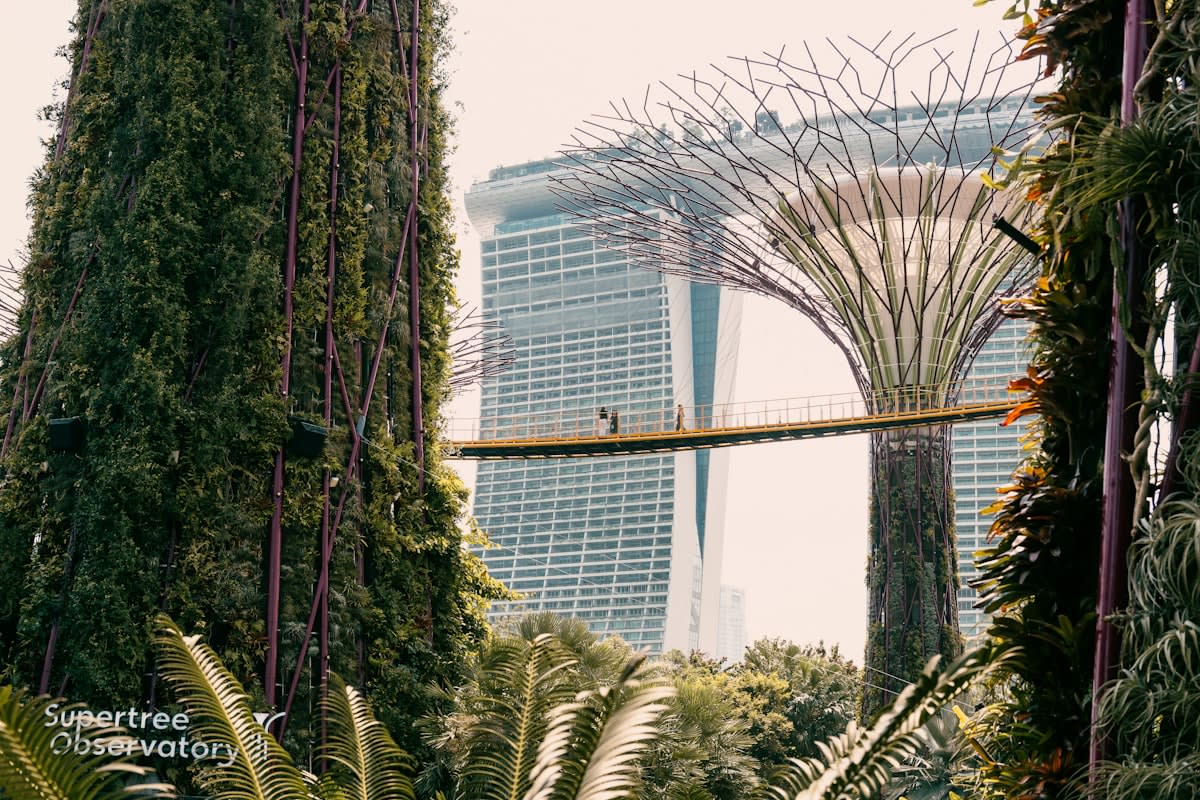
We have spent decades mourning the loss of the wild, treating our global metropolises as sterile voids where nature goes to die. This is a fundamental misreading of the biological ledger. The city is not a void; it is a pressure cooker. When we pave over a meadow or channel a river into a concrete pipe, we do not erase life. We simply change the selection criteria.
The organisms that survive in these environments are not merely hardy. They are evolving. We are witnessing a systemic pivot where the urban environment acts as a catalyst for rapid speciation, pushing genetic boundaries at a pace that would take millennia in a stable forest. Why is this happening? Because the city provides a high-energy resource stream paired with extreme, consistent stressors.
"The urban core is the most aggressive evolutionary laboratory on the planet, filtering for resilience and plasticity over stability."— Strategic Analysis of Urban Biospheres
Consider the mechanism of anthropogenic selection. In a rural setting, a bird species might evolve to avoid a specific predator. In a city, that same species must evolve to ignore a siren, navigate a glass wall, and compete with a thousand other species for a single discarded burger. These are not localized events; they are global shifts in how life operates.
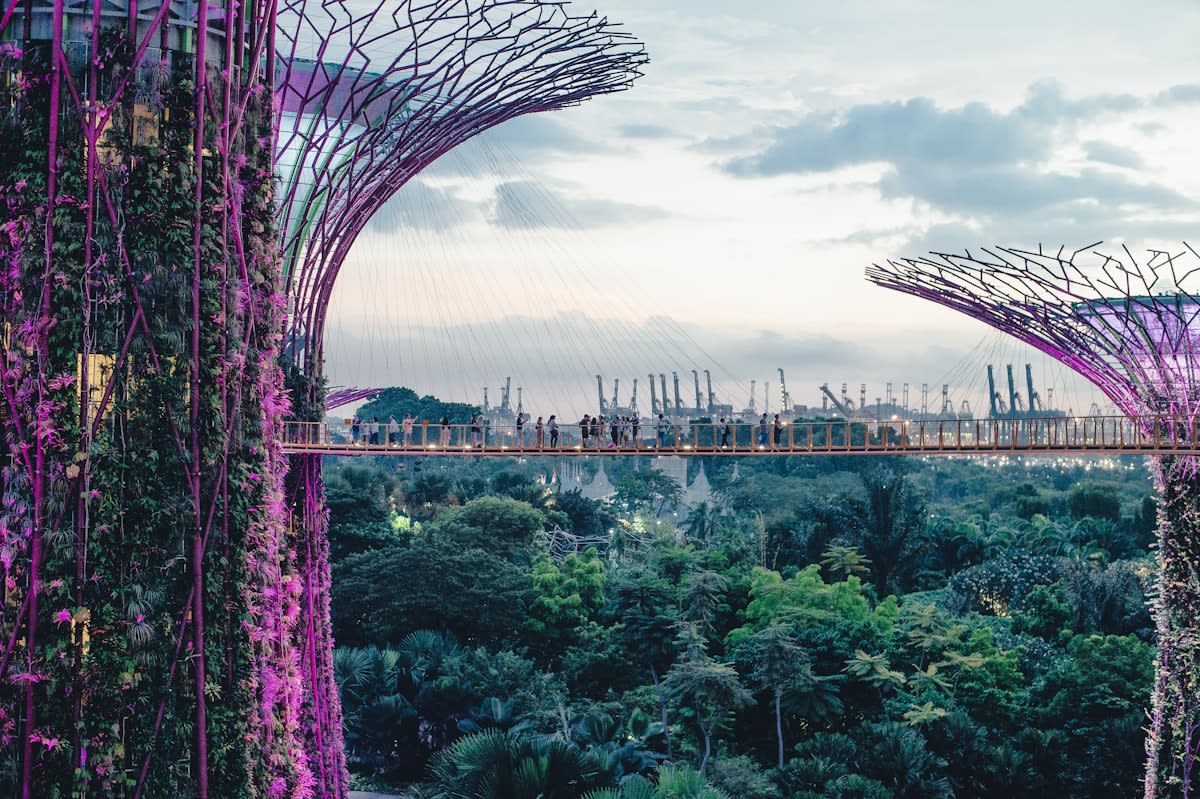
Look at the avian populations in cities like Singapore or Berlin. We see birds adjusting their song frequencies to cut through the low-frequency hum of heavy traffic. This is not behavioral mimicry. It is a survival imperative. If a male cannot be heard over the roar of a combustion engine, he cannot mate. The city filters for the loudest, highest-pitched, and most adaptable, effectively rewriting the acoustic blueprint of the species in real-time.
This shift leads us to a critical realization: the distinction between urban and wild is dissolving. We are seeing the rise of urban specialists—species that no longer thrive in the wild but dominate the concrete. These creatures aren't just surviving in our world; they are optimized for it.
The Mechanics of the Urban Heat Island
The Urban Heat Island (UHI) effect is perhaps the most potent driver of this evolution. Cities are typically 3 to 7 degrees Celsius warmer than their rural counterparts. This thermal delta is not just a comfort issue; it is a genetic trigger. It forces a shift in phenology—the timing of biological events.
Plants in the urban core bloom earlier. Insects emerge from hibernation sooner. This creates a phenological mismatch where the plant may bloom before its pollinator arrives. But the winners—the true evolutionary victors—are those that synchronize. This synchronization is the engine of new species creation, as those who adapt to the heat isolate themselves genetically from their rural ancestors.
| Selection Pressure | Rural Environment | Urban Environment | Evolutionary Outcome |
|---|---|---|---|
| Thermal Stress | Seasonal/Predictable | Constant/Elevated (UHI) | Increased heat tolerance & early phenology |
| Acoustic Space | Natural Bio-frequencies | Low-frequency Anthropogenic Noise | Shift to higher pitch/volume songs |
| Resource Access | Dispersed/Competitive | Concentrated/High-Calorie | Dietary plasticity & metabolic shifts |
| Habitat Connectivity | Continuous/Fluid | Fragmented/Island-like | Rapid genetic drift & speciation |
Is this a tragedy? The traditional conservationist says yes, viewing every urban adaptation as a loss of purity. The strategic analyst says no. We are witnessing the birth of a Synanthropic Biosphere—life that does not just tolerate humans, but requires us. This is not a collapse; it is a diversification.
Observe the flora emerging in the cracks of Mexico City or the rooftops of New York. These are not mere weeds. They are the vanguard. Many of these urban plants possess a 15 to 20 percent higher tolerance for heavy metals and salinity than their rural cousins. They have evolved to treat pollution as a manageable variable.
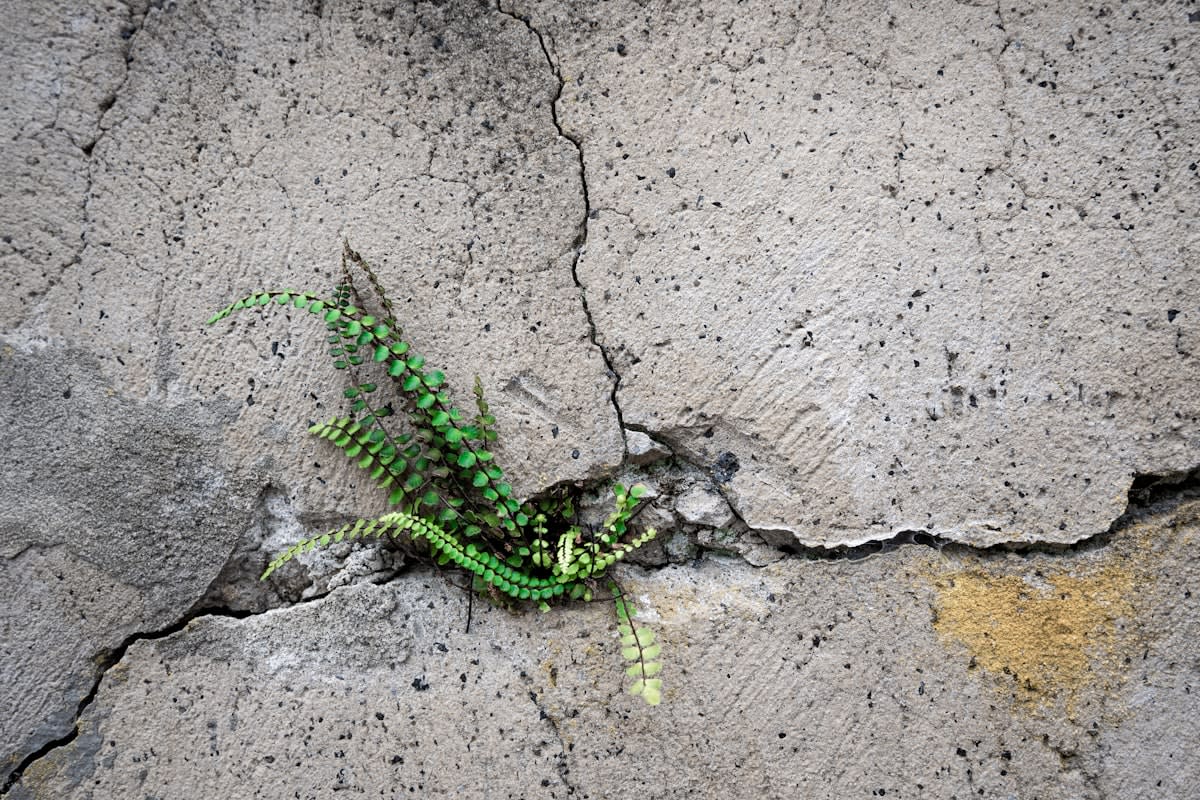
This resilience is a blueprint for the future. As the global climate shifts, the traits evolved in the urban crucible—heat tolerance, dietary flexibility, and high-stress resilience—will become the gold standard for survival across the planet. The city is essentially pre-adapting species for a warmer, more volatile world.
From Conservation to Co-evolution
The global shift must now move toward Integrated Biodiversity. Instead of trying to keep the city and nature separate, the most forward-thinking urban planners are leaning into this evolution. They are designing evolutionary corridors that allow these new urban specialists to migrate and mix, accelerating the development of resilient biomes.
We must stop asking how to save nature from the city and start asking how to partner with the nature the city is creating. This requires a mental leap. We have to stop seeing the pigeon or the urban fox as a pest and start seeing them as a successful biological experiment in human-centric adaptation.
The economic implications are equally vast. Cities that embrace their evolving biodiversity see a reduction in the costs of environmental management. Natural drainage systems, evolved urban pollinators, and heat-mitigating flora reduce the reliance on expensive, fragile grey infrastructure.
The Selection Pivot
The Anthropocene is not defined by the destruction of nature, but by the shift in who controls the selection process. For the first time in history, the primary driver of evolution is not the climate or the predator, but the city.
Ultimately, the urban species are the most honest reflection of our impact. They are the living record of our era. They do not hate us, nor do they simply tolerate us; they have integrated us into their genetic code. The concrete evolution is not a side effect of urbanization. It is the main event.
As we look toward the next century, the most successful cities will not be those that mimic the countryside, but those that optimize for the new, urban-born nature. The concrete crucible is forging a new kind of life—one that is faster, tougher, and infinitely more adaptable. We are not the end of nature; we are its newest architect.