
Most high-performers operate under a dangerous delusion: they believe their ability to handle extreme stress is a sign of competence. In reality, what they are experiencing is often a nervous system that has simply adapted to a state of chronic hyper-vigilance. When you spend years 'holding it all together,' your body stops treating cortisol as a temporary alarm and starts treating it as a baseline. This isn't strength; it's a physiological stalemate. The goal isn't to eliminate stress—which is impossible—but to develop the ability to consciously exit the stress response once the threat has passed.
Cortisol, a glucocorticoid hormone produced by the adrenal glands, is essential for survival. It regulates metabolism, maintains blood pressure, and manages immune function (Source: HealthMatters.io, 2026). However, when levels remain elevated—a state known as hypercortisolism—the system begins to degrade. You don't need a month-long retreat to fix this. You need a series of targeted, biological interventions that signal to your brain that the environment is safe. We are talking about recalibration, not a cure.
Prerequisites for Recalibration
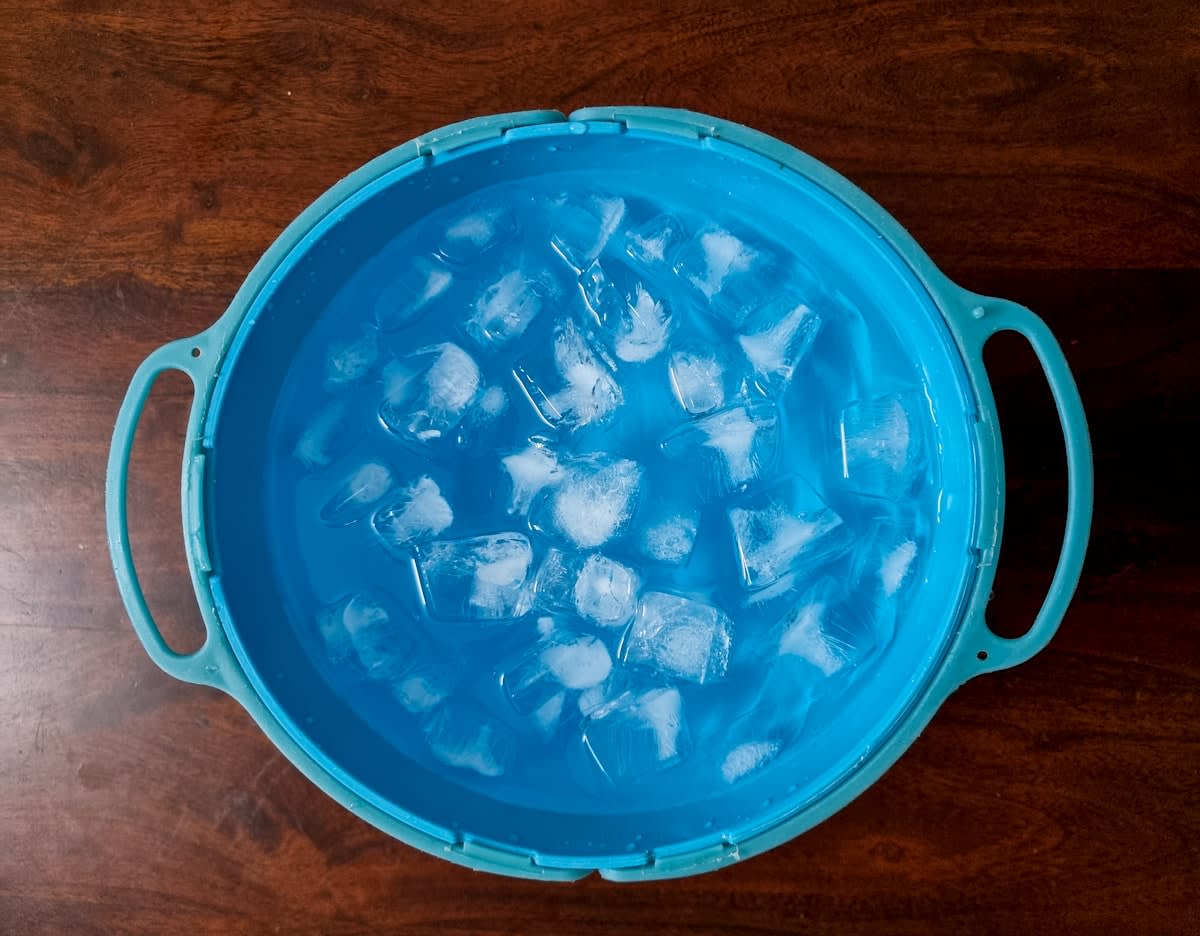
- A medium-sized bowl and a supply of ice cubes (for thermal reset).
- A quiet space where you can be undisturbed for 300 seconds.
- A willingness to endure short-term discomfort for long-term stability.
- An understanding that these tools are 'resets,' not replacements for systemic lifestyle changes.
Before diving into the protocols, you must understand the mechanism of the Vagus nerve. This is the primary highway of the parasympathetic nervous system. When we stimulate the Vagus nerve, we effectively flip the switch from 'fight or flight' to 'rest and digest.' The following techniques are designed to trigger this shift through different biological pathways: temperature, breath, and sensory input.
Protocol 1: The Thermal Shock (The Face Dunk)
Thermal shock is one of the fastest ways to disrupt a cortisol loop. By exposing the face to extreme cold, you trigger the mammalian dive reflex, which immediately slows the heart rate and redirects blood flow to the brain and heart. This isn't a gentle suggestion to the body; it is a biological command to calm down. While some view this as a 'hack,' it is actually a fundamental physiological override.
- Fill a bowl with filtered water and a generous handful of ice cubes.
- Take a deep breath and submerge your entire face into the ice water.
- Hold your breath and maintain the submersion for approximately 15 seconds (Source: Vogue AU, 2026).
- Lift your face, exhale slowly, and observe the immediate drop in systemic tension.
- Repeat once if the initial shock didn't sufficiently break the stress cycle.
Does this solve chronic burnout? No. As noted by practitioners, while dunking your face in ice water can significantly lower morning stress levels, it is not a magic cure for a chronically dysregulated nervous system (Source: Vogue AU, 2026). It is, however, an exceptional tool for acute state-shifting. When you are spiraling before a major presentation or recovering from a high-conflict meeting, this is your emergency brake.
Protocol 2: The Respiratory Pivot (The Physiological Sigh)
If you cannot access ice, your most portable tool is your breath. Most 'deep breathing' advice is too vague to be effective. To actually lower cortisol, you need a specific pattern that offloads carbon dioxide rapidly. The physiological sigh is a pattern humans do naturally during sleep or crying to reinflate the alveoli in the lungs and balance blood gases.
- Inhale deeply through your nose to near-maximum capacity.
- At the very top of that breath, take a second, shorter sharp inhale to fully expand the lungs.
- Exhale all the air through your mouth in a long, slow, sighing motion.
- Repeat this cycle 2-3 times to promote immediate relaxation and lower cortisol levels (Source: Huberman Lab, 2026).
The beauty of the physiological sigh is its invisibility. You can perform this during a board meeting in Tokyo or a commute in New York without anyone noticing. It is the most efficient way to signal to the brain that the immediate threat has dissipated, allowing the prefrontal cortex to come back online.
Protocol 3: Sensory and Social Buffers
Cortisol doesn't just respond to what we do; it responds to where we are and who we are with. Social support acts as a biological buffer, while loneliness actively raises cortisol levels (Source: HealthMatters.io, 2026). If you have five minutes, the fastest sensory shifts involve nature, sound, and touch.
- Green Space Exposure: Spending just 20 minutes in a green space or practicing 'forest bathing' (shinrin-yoku) can measurably lower cortisol (Source: HealthMatters.io, 2026).
- Auditory Calibration: Listen to slow-tempo music, specifically in the 60-80 BPM range, to lower systemic stress (Source: HealthMatters.io, 2026).
- Oxytocin Triggering: Physical touch, such as a hug or massage, increases oxytocin, which directly counteracts the effects of cortisol (Source: HealthMatters.io, 2026).
- Laughter Integration: Engaging in genuine laughter has been shown to reduce cortisol by up to 40% in various studies (Source: HealthMatters.io, 2026).

These aren't 'soft' wellness tips; they are biochemical interventions. When you choose a 60 BPM track over a high-energy one, you are instructing your heart rate to synchronize with an external rhythm, effectively dragging your nervous system out of a high-beta state and into an alpha state.
Advanced Technological Interventions
For those who find traditional methods insufficient, the frontier of nervous system work has moved toward electromagnetic intervention. In hubs like Los Angeles, practitioners are utilizing machines like the BioCharger, which uses pulsed electromagnetic fields (PEMF), light, and specific frequencies to optimize cellular function (Source: LA Times, 2026). These devices offer 'recipes' specifically targeting the Vagus nerve to accelerate recovery.
| Method | Primary Mechanism | Time Required | Intensity |
|---|---|---|---|
| Face Dunk | Mammalian Dive Reflex | 15-30 Seconds | High |
| Physiological Sigh | CO2 Offloading | 30-60 Seconds | Low |
| Forest Bathing | Phytoncides/Visuals | 20 Minutes | Low |
| PEMF/BioCharger | Electromagnetic Pulse | Variable | Medium |
"At some point I realized the competence wasn’t just competence, it was a nervous system that had learned control was the only safe option."— Barbara Castillo, Founder of The Chosen Self
This insight from Barbara Castillo highlights the psychological layer of the cortisol reset. Many of us are addicted to the feeling of being 'on' because we've associated hyper-vigilance with safety. The real work isn't just the 15-second ice dunk; it's the mental shift from needing control to trusting your own capacity to recover (Source: Voyage LA, 2026).
The Practitioner's Perspective: The 'Hack' vs. 'Heal' Debate
On the ground, there is a simmering debate among nervous system practitioners. On one side, you have the 'biohackers' who treat the body like a machine—flip this switch, take this supplement, use this PEMF device. On the other side are the somatic healers who argue that you cannot 'hack' your way out of a trauma response. In my experience, the truth is a synthesis. You use the 'hacks' (like the physiological sigh) to create a window of safety. Once the body is no longer in a state of alarm, you can then do the deeper work of identifying the beliefs that keep you in a state of high cortisol.
The friction usually occurs when clients expect a face dunk to fix a toxic corporate culture. It won't. A biological reset provides the clarity needed to make a strategic decision, but it doesn't remove the stressor. The most successful practitioners I know teach their clients to use these tools as a bridge, not a destination.
Common Pitfalls to Avoid
The most common mistake is 'stress-stacking'—trying to perform a reset while still engaging with the stressor. If you are doing a physiological sigh while reading an angry email, you are sending conflicting signals to your brain. The reset must be a dedicated break, however brief.
- Over-reliance on thermal shock: While effective, using ice water too frequently without addressing the source of stress can lead to a cycle of 'crash and reset.'
- Ignoring the 'Competence Trap': Believing that because you can 'reset' your system, you can continue to tolerate unsustainable workloads.
- Incorrect Breathing: Forcing the breath during a physiological sigh can actually increase tension. The second inhale must be short and the exhale must be effortless.
Fact-Check & Accuracy Note
Key claims regarding cortisol's role in metabolism and blood pressure, as well as the 40% reduction in cortisol via laughter and the benefits of 20-minute green space exposure, are sourced from HealthMatters.io (2026). The 15-second ice dunk recommendation is sourced from Vogue AU (2026). The effectiveness of the physiological sigh is attributed to Huberman Lab (2026). There is ongoing debate in the field regarding the efficacy of PEMF devices like the BioCharger compared to traditional somatic therapy.