Shashi Tharoor calls out ‘propaganda’ in Dhurandhar: ‘Don’t know how Pakistanis will react’
Source Entity
The Indian Express
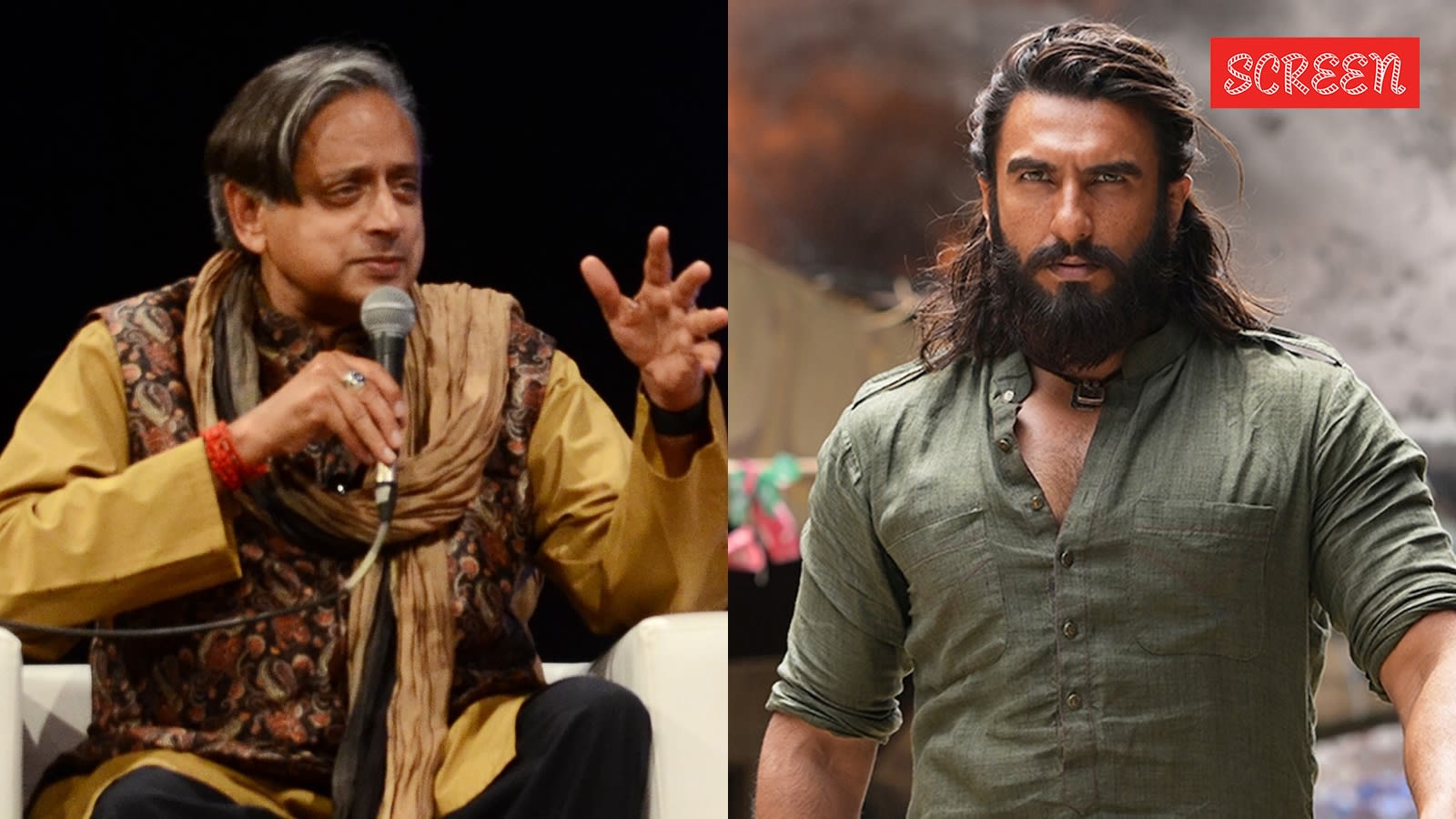
Congress MP Shashi Tharoor has lauded the 'Dhurandhar' franchise for its storytelling while criticizing its excessive graphic violence and perceived political propaganda. Despite these concerns, he acknowledged the immense commercial success of the Ranveer Singh-led films.
A Critical Examination of the Dhurandhar Franchise
Congress Member of Parliament Shashi Tharoor has recently shared a comprehensive review of the Dhurandhar franchise, a series of films starring Ranveer Singh that has become a juggernaut in Indian cinema. With a combined global box office collection exceeding ₹3,100 crore, the films—released in December 2025 and March 2026—have sparked intense public discourse. Tharoor’s critique, delivered via his official YouTube channel, provides a nuanced perspective that balances artistic appreciation with deep-seated concerns regarding narrative content and ethical storytelling.
Narrative Brilliance vs. Political Propaganda
Tharoor acknowledges the technical and narrative prowess of director Aditya Dhar, particularly regarding the second installment, which he describes as "superb" from the perspective of pure entertainment. He specifically highlights the plot twists as "brilliant," indicating that the franchise succeeds in its primary goal of audience engagement. However, this praise is tempered by his identification of underlying "propaganda." The politician suggests that the films carry specific ideological undertones, particularly concerning the portrayal of India-Pakistan relations, which he finds questionable in its messaging and potential to influence geopolitical perceptions.
The Ethics of Graphic Violence
Beyond the political framing, Tharoor expresses profound discomfort with the stylistic choices made by the filmmakers regarding violence. He characterizes the depiction of "blood, mayhem, and cruelty" as "totally excessive and over the top," arguing that such "disgusting scenes" are unnecessary for the film’s narrative success. By critiquing the "gruesome violence," Tharoor raises an important ethical question for the Indian film industry: at what point does visceral spectacle undermine the integrity of the storytelling process?
The Commercial Phenomenon
It is impossible to ignore the sheer scale of Dhurandhar’s success. Earning over ₹3,100 crore worldwide places these films in the upper echelon of Indian cinematic history. This financial triumph suggests that, despite the polarizing nature of the content and the criticisms leveled by public figures like Tharoor, the audience's appetite for high-octane, large-scale action dramas remains insatiable. The franchise’s ability to remain both a massive commercial hit and a subject of intense intellectual debate highlights the complex relationship between modern Indian audiences and nationalistic cinema.
Broader Implications and Future Trends
Tharoor’s intervention serves as a reminder of the growing influence of cinema in shaping national discourse. As filmmakers continue to explore sensitive topics like cross-border tensions, the line between "works of fiction" and "propaganda" becomes increasingly porous. Future trends in Indian cinema will likely see a continued tug-of-war between creators seeking to maximize spectacle and critics demanding greater historical and ethical responsibility. Tharoor’s review effectively encapsulates this tension, providing a benchmark for how public intellectuals might engage with mainstream media in the coming years.
Conclusion
In summary, while the Dhurandhar franchise stands as a landmark in terms of its box office performance and narrative complexity, it is not immune to valid criticisms regarding its ideological bias and violent content. Shashi Tharoor’s analysis does not seek to diminish the film's entertainment value, but rather to caution against the normalization of excessive violence and biased political narratives in popular culture. As these films continue to resonate globally, the conversation initiated by Tharoor will likely remain a critical focal point for discussions on the future of Indian storytelling.