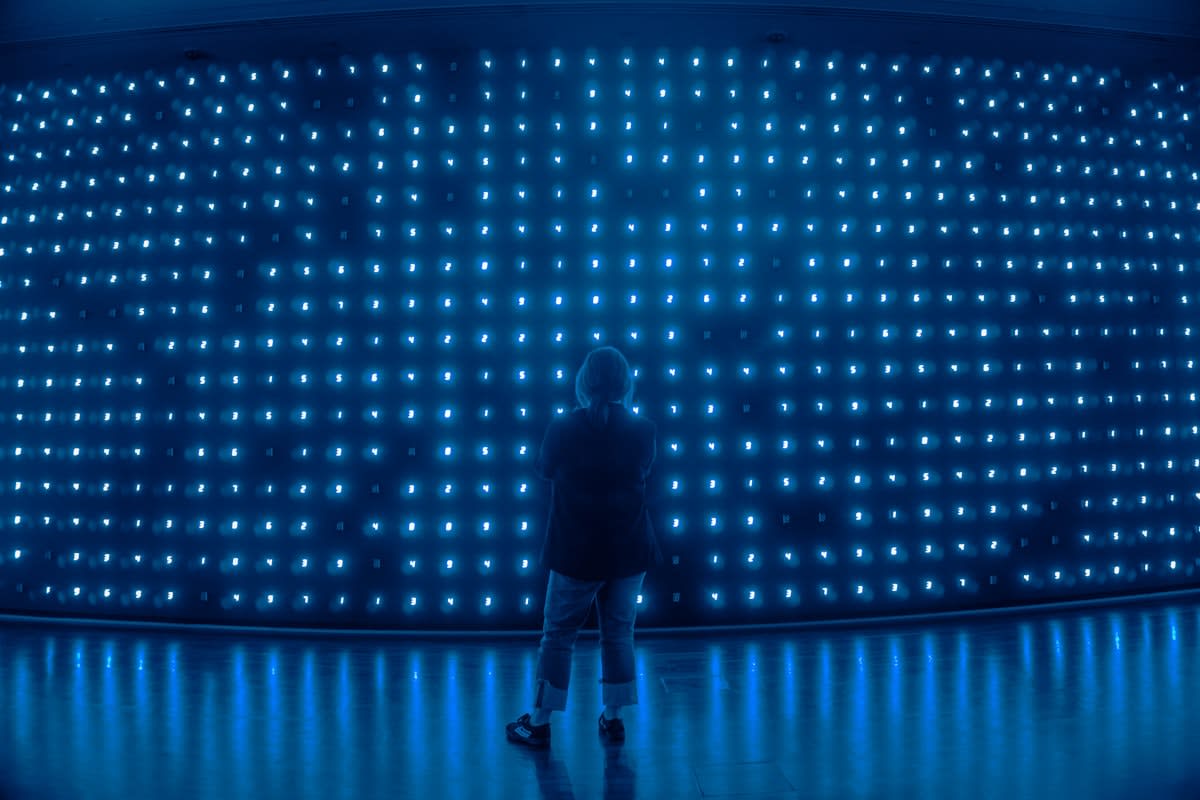
The modern digital experience is no longer a tool for exploration; it is a mirror. For decades, the internet functioned as a vast, chaotic library where the user acted as the librarian, searching, filtering, and occasionally stumbling upon something entirely unexpected. Today, that architecture has shifted. We have moved from the era of Search to the era of the Feed. In this new regime, the algorithm does not wait for us to ask a question; it predicts the answer and delivers it before the thought even forms. This is the Curation Trap: a state of algorithmic comfort where the elimination of friction also eliminates the necessity of choice.
This shift is not a localized phenomenon of Silicon Valley but a global systemic realignment. From the hyper-optimized entertainment loops of Douyin in East Asia to the personalized music streams dominating Latin American markets, the mechanism is identical. The goal is the reduction of cognitive load. By predicting preference with startling accuracy, these systems remove the anxiety of the 'wrong' choice. Yet, when the cost of choosing drops to zero, the ability to choose begins to atrophy. We are witnessing the outsourcing of taste to a set of weights and biases designed for retention, not enrichment.
The Architecture of Algorithmic Comfort
Why does this matter? Because choice is a cognitive muscle. Every time a human evaluates two competing options, weighs the trade-offs, and commits to a direction, they are exercising a fundamental aspect of agency. Algorithmic curation replaces this active process with a passive acceptance. When a streaming service suggests a movie based on 1,000 data points of your previous behavior, it isn't expanding your horizon; it is reinforcing a perimeter. The system creates a feedback loop where you are fed more of what you already like, which in turn makes you like those things more, effectively narrowing your identity to a predictable data cluster.
"The danger is not that the algorithm is wrong about what we want, but that it is so right that we forget how to want something different."— Strategic Analysis on Digital Cognition
Consider the psychological transition from 'intent' to 'consumption.' In the search-based era, a user had to articulate a desire—'I want to learn about brutalist architecture in Belgrade'—and then sift through results. This required a level of intent and critical evaluation. In the feed-based era, the content finds the user. The user becomes a recipient rather than a seeker. This passivity extends beyond entertainment into news, shopping, and social connection. When the environment is perfectly curated, the friction that once sparked curiosity is replaced by a seamless slide into the familiar.
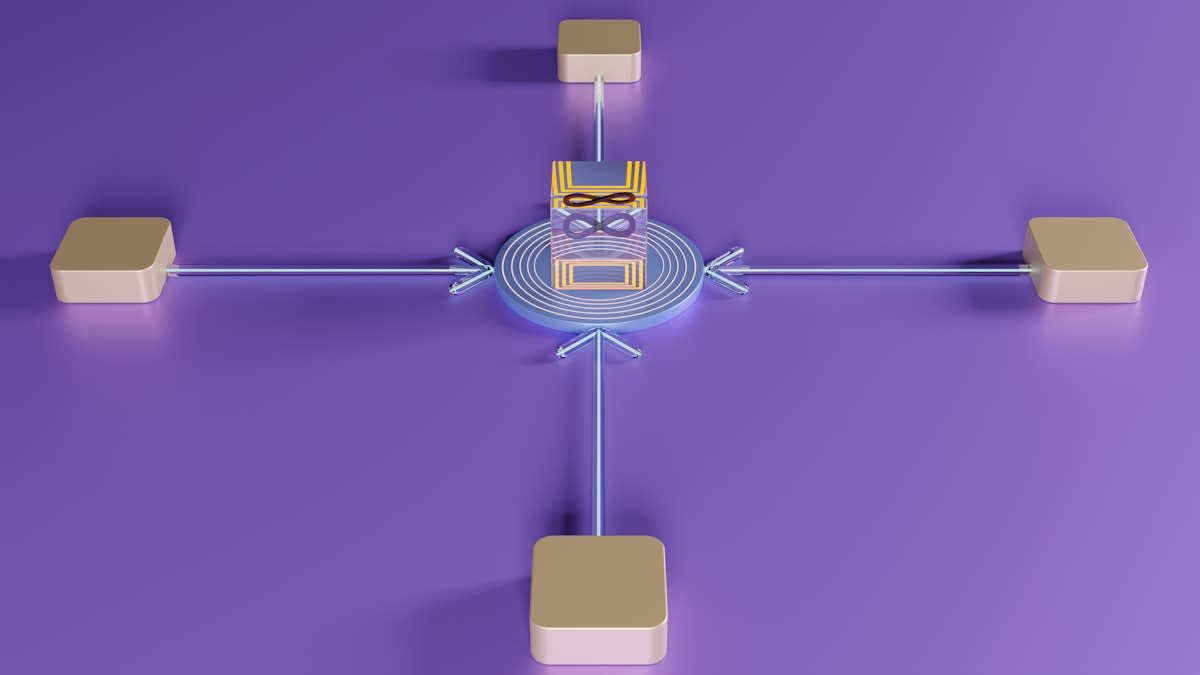
This systemic shift is driven by the economics of attention. For a platform, a user who spends ten minutes deciding what to watch is a user at risk of leaving. A user who is immediately served a 'perfect' recommendation is a user who stays. Consequently, the industry has optimized for the path of least resistance. This optimization has created a global standard of 'algorithmic comfort,' where the value is placed on the absence of effort. But is the elimination of effort a benefit, or is it a slow-motion erosion of the human capacity for serendipity?
| Dimension | Active Choice (Search Era) | Algorithmic Curation (Feed Era) |
|---|---|---|
| Cognitive Load | High (Evaluation & Selection) | Low (Passive Acceptance) |
| Discovery Mode | Serendipitous (Unexpected finds) | Predictive (Reinforced patterns) |
| User Role | Active Curator | Passive Consumer |
| Primary Risk | Choice Overload (Paralysis) | Choice Atrophy (Dependence) |
| Outcome | Expansion of Taste | Optimization of Preference |
The transition from choice overload to choice atrophy marks a critical juncture in human behavior. We once feared having too many options—the classic paradox of choice. Now, we face the opposite: an environment so curated that the concept of an 'option' becomes an illusion. We are presented with a 'Top 10 for You' list, and because it is so convenient, we accept it as the definitive boundary of what is available. The boundary is not set by quality or relevance, but by the algorithm's confidence interval.
The Erosion of the Unexpected
Serendipity—the act of finding something valuable that you weren't looking for—is the engine of intellectual and cultural growth. It requires a certain amount of noise and inefficiency in the system. When you browse a physical bookstore in Nairobi or a vinyl shop in Tokyo, you encounter objects that challenge your current preferences. You might pick up a book on a topic you didn't know existed. Algorithmic curation, by design, removes this noise. It filters out the 'irrelevant,' but in doing so, it filters out the possibility of the transformative encounter.
Key Concept
The Serendipity Gap refers to the growing distance between what a user is predicted to like and what they might actually find meaningful if they were forced to explore outside their data profile.
We can see this playing out in the homogenization of global culture. Because algorithms prioritize high-probability engagement, they tend to push content that adheres to proven formulas. This creates a 'global average' of taste. Whether you are in Berlin, Seoul, or Sao Paulo, the 'Recommended for You' section of a global platform often looks remarkably similar because it is based on the same underlying optimization logic. The local, the weird, and the challenging are pushed to the margins unless they can be packaged into a trend that the algorithm recognizes.
Does this mean the algorithm is an enemy? Not necessarily. The efficiency of curation is a powerful tool for managing the sheer volume of information in the 21st century. The problem is not the existence of the tool, but our total reliance on it. When curation becomes the only way we interface with information, we lose the ability to navigate the void. We forget how to be bored, how to be confused, and how to persevere through the friction of discovery to find something truly original.
Adaptation and the Return of Agency
The path forward is not a Luddite rejection of algorithms, but a strategic adaptation. We must move from passive consumption to active curation. This means intentionally introducing friction back into our lives. It requires the conscious decision to seek out the 'unrecommended,' to use search terms that are intentionally vague, and to engage with mediums that do not track our behavior. The goal is to maintain the cognitive muscle of choice while still leveraging the efficiency of the tool.
- Intentional Friction: Manually seeking sources outside of primary feed recommendations.
- Cross-Pollination: Consuming content from regions or cultures that the algorithm typically ignores.
- Analog Exploration: Engaging with physical libraries, galleries, and stores where discovery is spatial, not predictive.
- Algorithmic Sabotage: Purposefully interacting with content outside your usual profile to confuse and expand the recommendation engine.
Ultimately, the ability to choose is what defines human autonomy. If we allow our preferences to be curated into a seamless, frictionless loop, we aren't just saving time—we are narrowing the scope of our own potential. The challenge for the next decade will not be how to make algorithms more accurate, but how to make them more 'inefficient' in ways that allow for human growth. We must learn to value the struggle of the search as much as the satisfaction of the find.