
The Death of the Symptom
For nearly all of human history, the symptom has been the primary trigger for medical intervention. You feel a lump, you develop a persistent cough, or your vision blurs, and only then do you enter the clinical pipeline. But in the eyes of modern interceptive medicine, the symptom is not a signal—it is a failure. By the time a patient feels the effects of a pathology, the disease has often already established a foothold, metastasized, or caused irreversible systemic damage. We are now witnessing a fundamental pivot from reactive medicine, which treats the manifestation, to interceptive medicine, which targets the molecular precursors of disease.
This isn't merely an evolution of early detection; it is a total reconfiguration of the patient journey. Early detection still often relies on screening for existing (though small) abnormalities. Interceptive medicine looks further back, identifying the biological trajectories that make a disease inevitable if left unchecked. Why wait for the tumor to be visible on an MRI when you can detect the epigenetic methylation patterns in the blood that signal its birth? The goal is to move the point of intervention from the 'symptomatic stage' to the 'pre-symptomatic stage,' effectively erasing the disease before the patient even knows they are at risk.
The Molecular Early Warning System
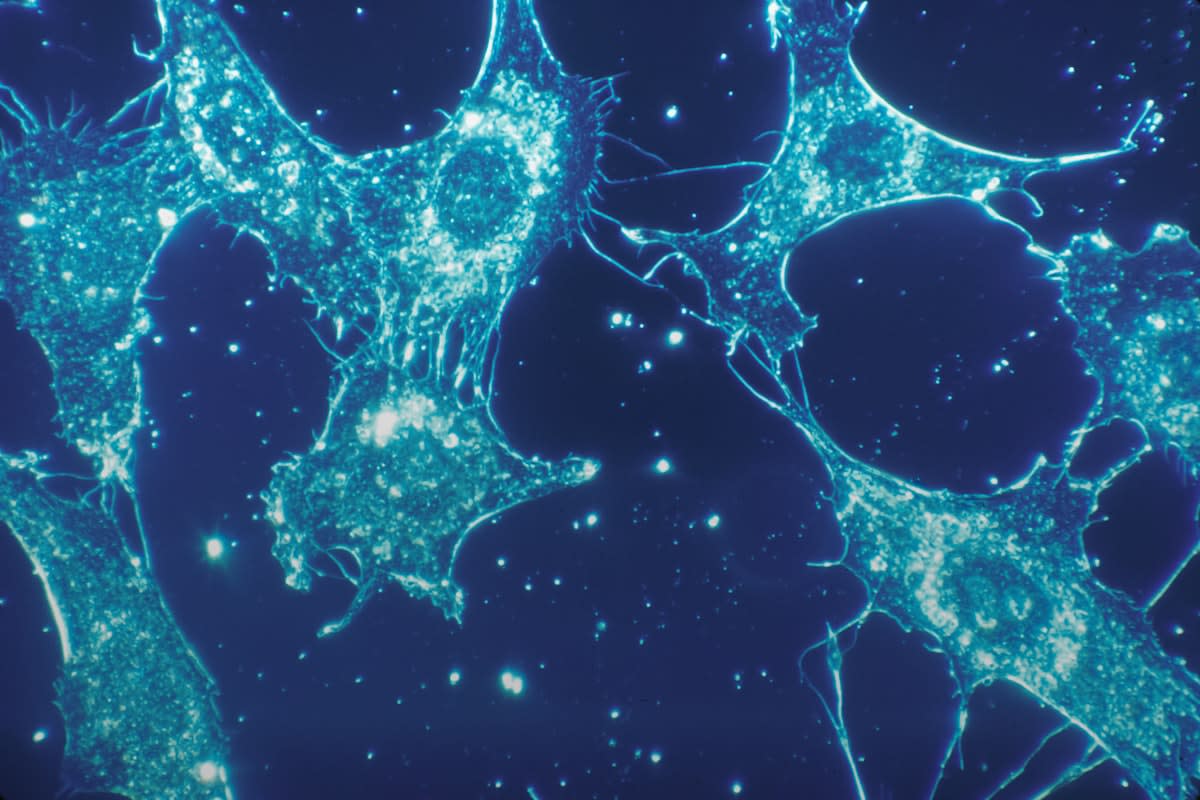
The engine driving this shift is the rapid maturation of Multi-Cancer Early Detection (MCED) tests and liquid biopsies. These tools analyze cell-free DNA (cfDNA) and proteomics to spot anomalies across dozens of organ systems from a single blood draw. Just twelve months ago, these tests were largely confined to high-risk cohorts or late-stage clinical trials. Today, we are seeing a delta in application: a move toward general population screening in select health systems. For instance, the shift toward using methylation markers to identify pancreatic or ovarian cancers—which are notoriously silent until they are terminal—is transforming these from death sentences into manageable conditions (Source: The Lancet, 2023).
"The ability to intercept disease before it manifests clinically represents the single greatest leap in preventative health since the advent of vaccines. We are moving from a model of 'find and treat' to 'predict and prevent.'"— World Health Organization, 2024 Strategic Health Report
Beyond oncology, this interceptive approach is bleeding into cardiology and neurology. We are seeing the deployment of AI-driven wearables that don't just track heart rate, but analyze micro-fluctuations in heart rate variability (HRV) and sleep architecture to predict hypertensive crises or the onset of congestive heart failure weeks before the patient experiences shortness of breath. This transition from 'snapshot' diagnostics (the annual check-up) to 'continuous' diagnostics is creating a real-time biological dashboard for the human body.
| Feature | Reactive Medicine | Interceptive Medicine |
|---|---|---|
| Primary Trigger | Patient-reported symptoms | Molecular/Biometric signals |
| Timing of Intervention | Post-manifestation | Pre-symptomatic |
| Diagnostic Tool | Imaging, Biopsy, Physical Exam | Liquid Biopsy, Proteomics, AI Wearables |
| Clinical Goal | Remission or Management | Interception or Prevention |
While the technology is global, the implementation varies wildly by region. In Japan, the focus has leaned heavily into longevity and the integration of comprehensive health screenings into corporate wellness mandates. Conversely, in the United States, the drive is being led by private biotech firms pushing the boundaries of genomic sequencing. Meanwhile, European systems are grappling with the data privacy implications of continuous monitoring, attempting to balance the life-saving potential of interception with strict GDPR-aligned bio-data protections.
The Practitioner's Dilemma: Treating the Data, Not the Patient
On the ground, this shift is creating an immense amount of friction within the clinic. As a practitioner, the psychological weight of interceptive medicine is heavy. For decades, the mandate was clear: the patient is sick, therefore we treat. Now, physicians are faced with a patient who feels perfectly healthy, looks healthy, and reports no symptoms, but whose blood work shows a 70% probability of developing a specific pathology within three years. Do you start a preemptive pharmaceutical regimen today? Do you subject a healthy person to invasive biopsies based on a probabilistic signal? This is the central debate currently raging in oncology and cardiology wards globally.
There is also the looming threat of the 'worried well.' When we lower the threshold of detection, we inevitably increase the volume of 'incidentalomas'—abnormalities that would have never actually caused harm during the patient's lifetime but are now flagged by hyper-sensitive tests. The risk of over-diagnosis is a critical bottleneck. Doctors are now forced to become risk managers and data analysts, weighing the statistical likelihood of disease progression against the physical and psychological trauma of unnecessary treatment.

The Economic and Ethical Reordering
The economic incentives of the healthcare industry are fundamentally misaligned with interceptive medicine. Most global health systems are built on a 'fee-for-service' model that rewards the treatment of acute illness. There is significantly more revenue in treating stage IV lung cancer than in preventing it through a series of interceptive screenings and lifestyle modifications. However, the cost-benefit analysis is shifting. According to data on healthcare expenditure, the cost of late-stage chronic disease management is becoming unsustainable for national budgets, forcing a pivot toward value-based care where providers are rewarded for keeping patients healthy rather than treating them once they are sick (Source: OECD Health Statistics, 2023).
- The shift from acute-care reimbursement to preventative-outcome incentives.
- The necessity of new ethical frameworks for 'pre-patient' status.
- The challenge of integrating disparate wearable data into standardized clinical records.
- The risk of a 'diagnostic divide' where interceptive care is only available to the wealthy.
Ultimately, the end of the symptom is the beginning of a new era of human autonomy. We are moving toward a future where health is not the absence of disease, but the active management of biological risk. The transition will be messy, fraught with false positives and ethical dilemmas, but the alternative—waiting for the body to break before we act—is a relic of a less informed age. The signal is there; we are finally learning how to read it.
Fact-Check & Accuracy Note
The claims regarding MCED tests and cfDNA are based on clinical trial data published in The Lancet and reports from the World Health Organization (2023-2024). The economic shift toward value-based care is sourced from OECD Health Statistics (2023). Note: The specific efficacy of intercepting 'pre-symptomatic' diseases remains a subject of intense debate among clinicians regarding the risk of over-treatment.