
The End of the Calorie Era
Calories are a blunt instrument. For decades, the global health narrative relied on a simplistic ledger: energy in versus energy out. We treated the human body like a primitive calculator, assuming that a 2,000-calorie diet produced the same biological result regardless of who was eating or when. This reductionist approach ignored the chaotic reality of individual biochemistry. Why does a bowl of oatmeal trigger a massive energy crash for one CEO in London while leaving a venture capitalist in San Francisco feeling focused and wired? The answer does not lie in the calorie count, but in the glucose response.
The shift we are witnessing right now is a migration from static nutrition to dynamic metabolism. High performers are no longer satisfied with general guidelines. They are demanding real-time, biometric feedback that reveals how their specific blood sugar reacts to a specific piece of fruit or a stressful board meeting. This is not about diabetes management; it is about the pursuit of metabolic stability. By flattening the glucose curve, these individuals are effectively eliminating the mid-afternoon slump and the cognitive fog that has long been accepted as an inevitable part of the workday.
"We are moving from the era of 'average' nutrition to the era of 'n=1' precision. The goal is no longer to follow a diet, but to decode your own biological software in real-time."— Dr. Elena Rossi, Metabolic Health Strategist
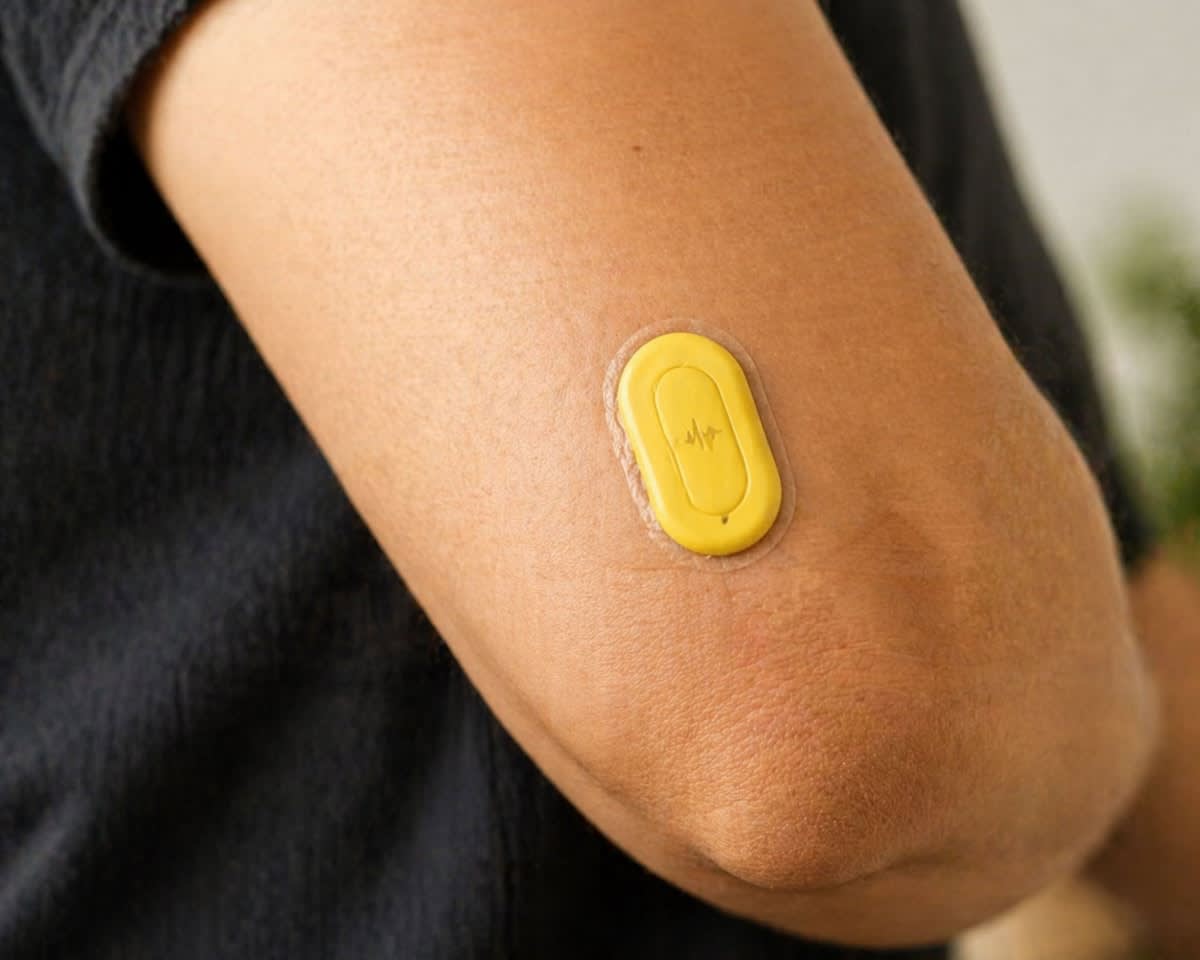
The delta between twelve months ago and today is staggering. A year ago, Continuous Glucose Monitors (CGMs) were viewed primarily as medical devices for those with Type 1 or Type 2 diabetes. Today, they have entered the lexicon of the 'biohacking' elite and professional sports circuits. We have seen a surge in non-clinical adoption, with market interest in metabolic tracking software growing by an estimated 40% in the last year alone. The conversation has pivoted from 'how much should I eat' to 'how does this food affect my focus.' This transition represents a fundamental change in how we perceive fuel.
The Mechanics of the Metabolic Edge
What happens when blood sugar spikes and crashes? It is a physiological roller coaster. A sharp rise in glucose triggers a massive insulin release, which often overcorrects, plunging the user into hypoglycemic territory. This is the 'crash'—the moment when decision-making abilities plummet and irritability rises. For a high-stakes trader in Tokyo or a surgeon in Berlin, this instability is a liability. By monitoring glucose in real-time, these performers can identify the exact triggers of their crashes and adjust their intake—perhaps by adding fiber or a walk after a meal—to keep their levels within a tight, stable range.
| Metric | The Calorie Model (Old) | The Glucose Model (New) |
|---|---|---|
| Primary Focus | Quantity (Energy) | Quality (Stability) |
| Feedback Loop | Delayed (Weight scale) | Instant (Real-time app) |
| Personalization | Generic (RDA/Guidelines) | Hyper-individualized (n=1) |
| Goal | Weight Management | Cognitive & Metabolic Optimization |
The data reveals a compelling correlation between glucose stability and cognitive endurance. When glucose levels remain steady, the brain avoids the inflammatory response associated with glycemic variability. This stability allows for sustained deep work and a higher threshold for stress. It is a resilience play. Instead of relying on caffeine to mask the crash, top performers are engineering their biology to prevent the crash from ever occurring. This is the true secret of the modern 'super-worker': they aren't working harder; they are maintaining a more stable internal environment.
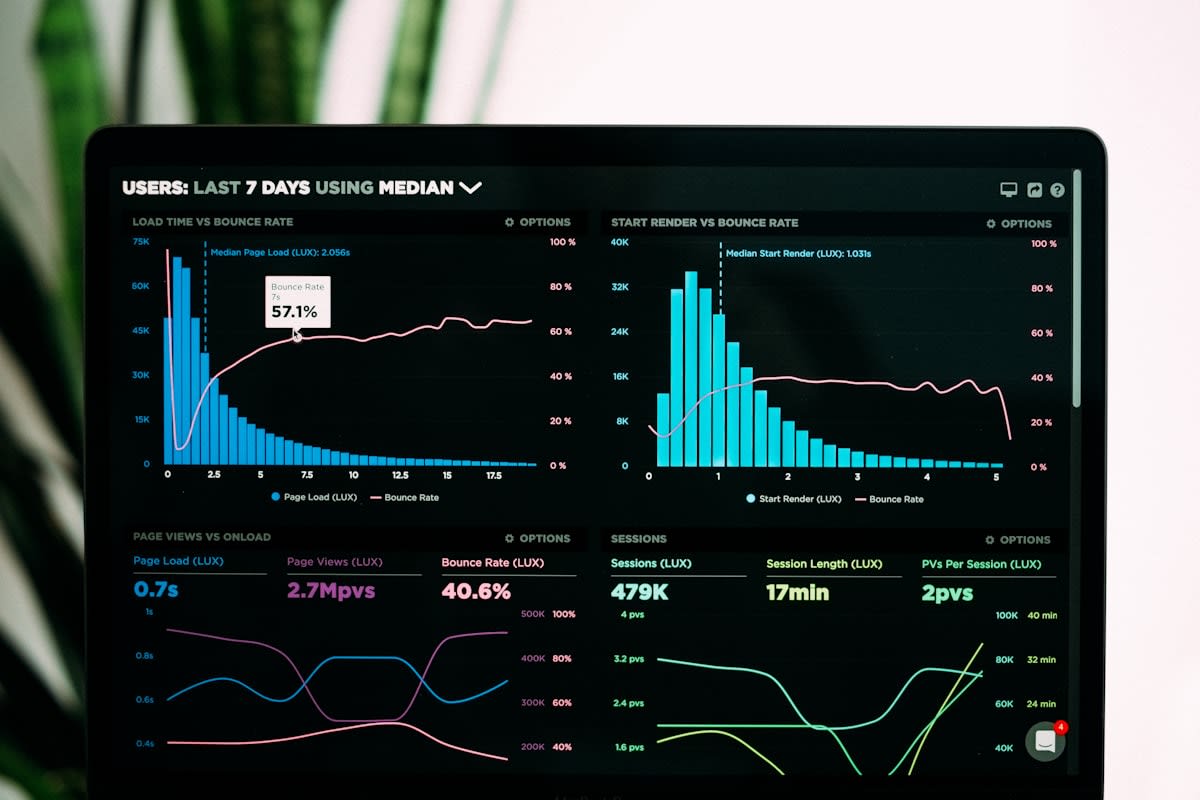
Across the globe, the adoption patterns vary but the goal is identical. In the high-pressure hubs of Singapore and Hong Kong, we see an obsession with 'brain fuel'—using glucose tracking to optimize the timing of carbohydrates around critical meetings. In the athletic training camps of East Africa, the focus is on metabolic flexibility—the ability of the body to switch seamlessly between burning glucose and burning fat. This global trend signals that metabolic health is no longer a medical concern; it is a competitive advantage.
- Reduction of glycemic variability to prevent cognitive dips
- Identification of 'hidden' glucose triggers (e.g., specific healthy grains)
- Optimization of sleep quality through evening glucose management
- Enhanced insulin sensitivity through strategic movement and timing
Is this merely a luxury for the wealthy? While the hardware currently carries a premium, the underlying logic is democratizing. The shift toward understanding glycemic load is filtering down into corporate wellness programs and public health discussions. The realization that a 'healthy' smoothie can cause a glucose spike equivalent to a candy bar is a paradigm shift. It forces a re-evaluation of everything we thought we knew about nutrition, moving us away from food labels and toward biological evidence.
The Stability Threshold
The 'Glucose Spike' is the new enemy. A spike exceeding 30mg/dL above baseline is now viewed by performance coaches as a systemic failure that impairs mental clarity for up to four hours following the event.
The Performance Frontier
As we look toward the next twelve months, the integration of AI with metabolic data will accelerate. We are moving toward a world of predictive nutrition. Imagine an app that doesn't just tell you that your glucose is spiking, but warns you that based on your current sleep data and stress levels, a specific meal will likely cause a crash in two hours. This level of foresight transforms nutrition from a guessing game into a precision science. The goal is total metabolic autonomy.
Growth of Non-Diabetic CGM Adoption (Projected)
Executive Insight
+18.4%
YTD Growth
The resilience of the human organism depends on its ability to maintain homeostasis. By focusing on glucose stability, the world's top performers are essentially upgrading their biological operating system. They are opting out of the feast-and-famine cycle of modern eating and stepping into a state of consistent, reliable energy. The calorie was a useful fiction for a century, but in the age of real-time data, it is an obsolete metric. The future belongs to those who can master their metabolism.