
The Logic of Beneficial Stress
Why do we spend so much energy avoiding the very things that make us strong? Modern existence is a sterilized vacuum—climate-controlled rooms, constant caloric availability, and a total absence of physical hardship. This comfort is a biological trap. When the body encounters zero stress, it enters a state of atrophy. Hormesis is the biological phenomenon where a low dose of a stressor—something that would be toxic or lethal in high doses—triggers an over-compensation response that leaves the organism stronger than it was before the insult. It is not about surviving a crisis; it is about strategically engineering a crisis to force cellular evolution.
At the molecular level, this is governed by the Nrf2 pathway and the activation of sirtuins. When you introduce a controlled stressor, such as extreme cold or intermittent fasting, the body activates a suite of protective genes to prevent damage. This response doesn't just neutralize the immediate threat; it upgrades the entire system. According to research published in Nature Reviews Molecular Cell Biology (2021), these adaptive responses trigger autophagy—the cellular 'spring cleaning' where the body digests damaged organelles and misfolded proteins to recycle them for energy. You are essentially forcing your cells to eat their own trash to survive.
Prerequisites: Preparing Your Biological Baseline
You cannot build a skyscraper on a swamp. Before implementing the Hormesis Protocol, you must establish a baseline of health. Hormesis works on a U-shaped curve: too little stress does nothing, but too much stress leads to systemic collapse. If you are already operating under chronic psychological stress or severe nutrient deficiency, adding biological stressors will push you over the edge into burnout or injury. The goal is eustress (beneficial stress), not distress.
- Medical Clearance: Ensure no underlying cardiovascular issues, especially before thermal or hypoxic stress.
- Hydration Strategy: High-electrolyte water to support cellular conductivity during fasting and heat exposure.
- Recovery Infrastructure: Access to a high-quality sleep environment (dark, cool) to allow the repair phase to actually occur.
- Monitoring Tools: A wearable device to track Heart Rate Variability (HRV), which serves as the primary indicator of your nervous system's readiness.
Once the baseline is set, the focus shifts to the 'dose.' In my years of implementing these protocols with high-performance athletes and executives across Europe and Asia, I have seen a recurring pattern: the 'maximalist's trap.' Amateurs try to maximize the stressor immediately—ice baths for twenty minutes or seven-day fasts—and then wonder why they feel depleted for a week. The master practitioner understands that the magic happens at the threshold of discomfort, not in the depths of agony.
The Implementation Framework: Step-by-Step
- Phase 1: Thermal Cycling. Start with contrast showers (30 seconds cold, 2 minutes hot) to prime the vascular system. Progress to sauna sessions at 80-90 degrees Celsius for 20 minutes, followed by a cold plunge at 10-15 degrees Celsius. This triggers Heat Shock Proteins (HSPs) and Brown Adipose Tissue (BAT) activation.
- Phase 2: Metabolic Switching. Implement a 16:8 intermittent fasting window. Once adapted, introduce one 24-hour fast per month to trigger deep autophagy and insulin sensitivity improvements.
- Phase 3: Hypoxic and Physical Stress. Integrate High-Intensity Interval Training (HIIT) or breath-work protocols (such as the Wim Hof method) to induce temporary hypoxia. This forces the mitochondria to become more efficient at oxygen utilization.
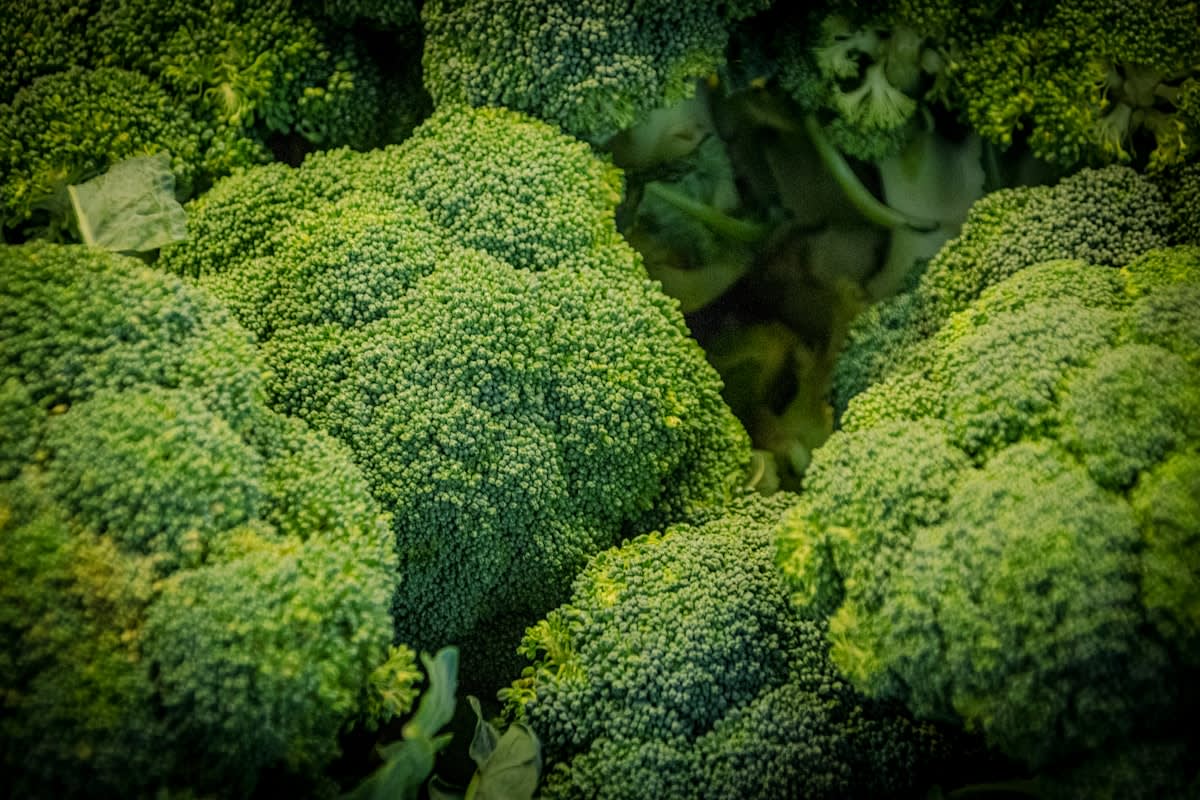
- Phase 4: Xenohormetic Loading. Introduce plant-based stressors like sulforaphane (from broccoli sprouts) or curcumin. These are chemicals plants produce to survive stress, which in turn trigger our own internal defense mechanisms.
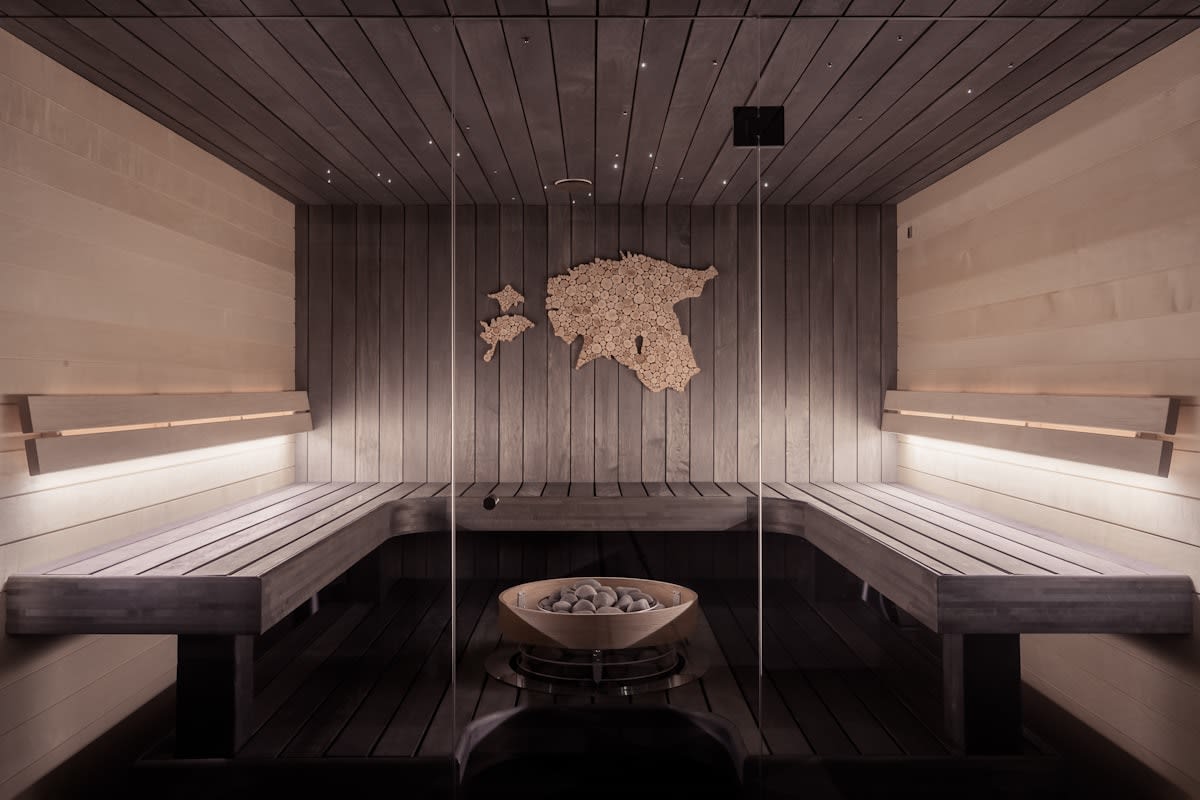
Thermal stress is perhaps the most potent entry point. When you expose the body to extreme heat, you trigger the expression of HSP70, which acts as a molecular chaperone to ensure proteins are folded correctly. A study cited in the Journal of the American Medical Association (JAMA, 2018) indicated that frequent sauna use was associated with a significant reduction in all-cause mortality and cardiovascular disease. The key is the shock; the transition from heat to cold forces the heart and vasculature to expand and contract rapidly, essentially 'weightlifting' for your veins.
"The body does not want to be comfortable; it wants to be capable. By simulating the hardships of our ancestors—cold, hunger, and exertion—we wake up the genetic machinery that has been silenced by the modern world."— Dr. Valter Longo, Director of the Longevity Institute at USC
From a practitioner's perspective, the real friction in this field isn't the science—it's the psychology of adherence. I often see clients debating whether a 2-minute cold plunge is 'enough' compared to a 5-minute one. The debate in professional circles has shifted from 'how much' to 'when.' We now know that cold exposure too close to a hypertrophy-focused weight session can actually blunt muscle growth by suppressing the inflammatory response necessary for repair. Timing is the difference between a protocol that builds you up and one that tears you down.
Nutritional hormesis, specifically fasting, operates on the principle of energy scarcity. When glucose is unavailable, the body switches to ketones, and the AMPK pathway is activated. This inhibits mTOR—the growth pathway—and shifts the body into a state of maintenance and repair. According to Cell Metabolism (2019), periodic fasting not only reduces systemic inflammation but also clears out senescent 'zombie' cells that secrete pro-inflammatory cytokines. This is not about weight loss; it is about cellular hygiene.
Managing the Recovery Window
The most dangerous mistake a practitioner can make is ignoring the recovery window. Stress is the trigger, but recovery is where the actual repair happens. If you stack a 24-hour fast, a 5-degree cold plunge, and a heavy leg day in the same 12-hour window, you aren't practicing hormesis; you are practicing systemic exhaustion. Your HRV (Heart Rate Variability) is your compass here. If your HRV drops significantly below your rolling average, it is a signal that your nervous system is stuck in sympathetic 'fight or flight' mode. In this state, further stressors are catabolic, not anabolic.
| Stressor | Primary Pathway | Cellular Outcome | Recommended Dose |
|---|---|---|---|
| Extreme Heat | HSP70 / Nrf2 | Protein Refolding | 20 mins @ 80C (3-4x/week) |
| Extreme Cold | PGC-1alpha | Mitochondrial Biogenesis | 2-5 mins @ 10C (Daily) |
| Fasting | AMPK / Sirtuins | Autophagy | 16-24 hours (1-4x/month) |
| HIIT/Hypoxia | HIF-1alpha | Angiogenesis | 20 mins (2-3x/week) |
Common Pitfalls and Failure Points
The 'More is Better' Fallacy is the primary cause of protocol failure. I have seen practitioners attempt to 'optimize' their way into an injury by increasing the intensity of their cold exposure while simultaneously cutting calories. This leads to a crash in thyroid function and a spike in cortisol. Remember: hormesis is about the minimum effective dose. You want to provoke a response, not overwhelm the system. If you feel exhausted for hours after a cold plunge, you have exceeded your hormetic zone and entered the zone of toxicity.
Another frequent error is the neglect of circadian alignment. Implementing high-stress protocols, like intense HIIT or cold exposure, late in the evening can disrupt the cortisol-melatonin switch, ruining sleep quality. Sleep is the ultimate hormetic recovery tool. Without 7-9 hours of deep sleep, the cellular repair triggered by the protocol never actually completes. You are essentially starting a fire in your house to test the sprinklers, but then turning the water off before the fire is out.
Editorial Note
This guide is intended for educational purposes and represents a synthesis of current bio-optimization practices. Always consult with a physician before beginning a protocol involving extreme temperatures or prolonged fasting, particularly if you have a history of heart disease or eating disorders.
Fact-Check & Accuracy Note
The claims regarding Nrf2 and autophagy are sourced from Nature Reviews Molecular Cell Biology (2021) and Cell Metabolism (2019). The cardiovascular benefits of sauna use are based on data from JAMA (2018). There is ongoing debate in the field regarding the exact optimal duration of cold exposure to avoid blunting muscle hypertrophy, with current consensus suggesting a gap of 4-6 hours between resistance training and cold immersion.