
The Comfort Paradox
For decades, the pinnacle of human achievement was the eradication of discomfort. We built climate-controlled skyscrapers, engineered calorie-dense foods that require zero effort to acquire, and designed a lifestyle that shields the human organism from every conceivable environmental fluctuation. But this obsession with stability has come at a steep biological cost. By removing the friction from our lives, we have inadvertently signaled to our cells that the struggle for survival is over, triggering a slow slide into systemic fragility. We are seeing the results in the skyrocketing rates of metabolic dysfunction and inflammatory diseases across the developed world.
Enter hormesis. This biological phenomenon occurs when a low dose of a stressor—something that would be toxic or lethal in high concentrations—actually triggers a beneficial, adaptive response. It is the biological equivalent of a vaccine for the entire system. Instead of avoiding the storm, the hormetic approach involves stepping into a controlled version of it to force the body to upgrade its own defense mechanisms. We are no longer talking about mere wellness trends; we are witnessing a shift toward the strategic application of volatility to prevent the decay of the human machine.
The Delta: From Biohacking to Clinical Prescription
Twelve months ago, controlled stress was the domain of the biohacking fringe—Silicon Valley executives spending thousands on home-built cryo-chambers and extreme fasting protocols. It was viewed as a hobby for the obsessed. Today, the narrative has shifted. We are seeing the integration of hormetic triggers into clinical longevity protocols in cities from Singapore to Zurich. The transition is clear: we have moved from 'DIY experimentation' to 'prescriptive volatility.' Physicians are beginning to prescribe specific doses of thermal stress and nutrient deprivation not as alternative therapies, but as primary interventions to enhance mitochondrial function.
| Metric | The Comfort Era (Pre-2023) | The Hormetic Era (Current) |
|---|---|---|
| Primary Goal | Symptom Suppression | Adaptive Capacity |
| Environmental Approach | Climate Control | Thermal Cycling |
| Nutritional Philosophy | Consistent Caloric Intake | Strategic Nutrient Deprivation |
| View of Stress | Avoidance/Management | Prescription/Optimization |
This shift is driven by a growing body of data suggesting that the absence of stress is actually a form of stress itself. When the body never encounters a challenge, it ceases to produce heat shock proteins (HSPs) and fails to activate autophagy—the cellular cleanup process that removes damaged organelles. By introducing controlled bursts of heat, cold, or hypoxia, we restart these dormant survival pathways. The goal is not to live in a state of constant hardship, but to utilize acute, short-term stress to build long-term systemic robustness.
"The human body is an adaptive machine. If you stop challenging it, it doesn't stay the same; it degrades. Resilience is not a static trait; it is a muscle that must be exercised through calculated discomfort."— Dr. Elena Vance, Longevity Researcher
Why now? The timing coincides with a global realization that traditional healthcare is failing to address the 'slow burn' of aging. We have become experts at treating the acute crash, but we are novices at maintaining the engine. The rise of hormetic medicine represents a pivot toward fortification. Instead of waiting for the system to break and then applying a patch, we are now using controlled stressors to thicken the biological walls before the crisis ever arrives.
Global Implementation: Diverse Paths to Resilience
The adoption of hormetic practices is not monolithic; it is adapting to local cultural contexts. In Finland and Scandinavia, the ancient tradition of sauna is being re-contextualized through the lens of longevity science, focusing on the precise timing of heat exposure to maximize cardiovascular benefits. Meanwhile, in Japan, the practice of Shinrin-yoku (forest bathing) is being analyzed for its ability to modulate the immune system via phytoncides—natural compounds that act as mild chemical stressors to the human respiratory system, triggering a protective response.
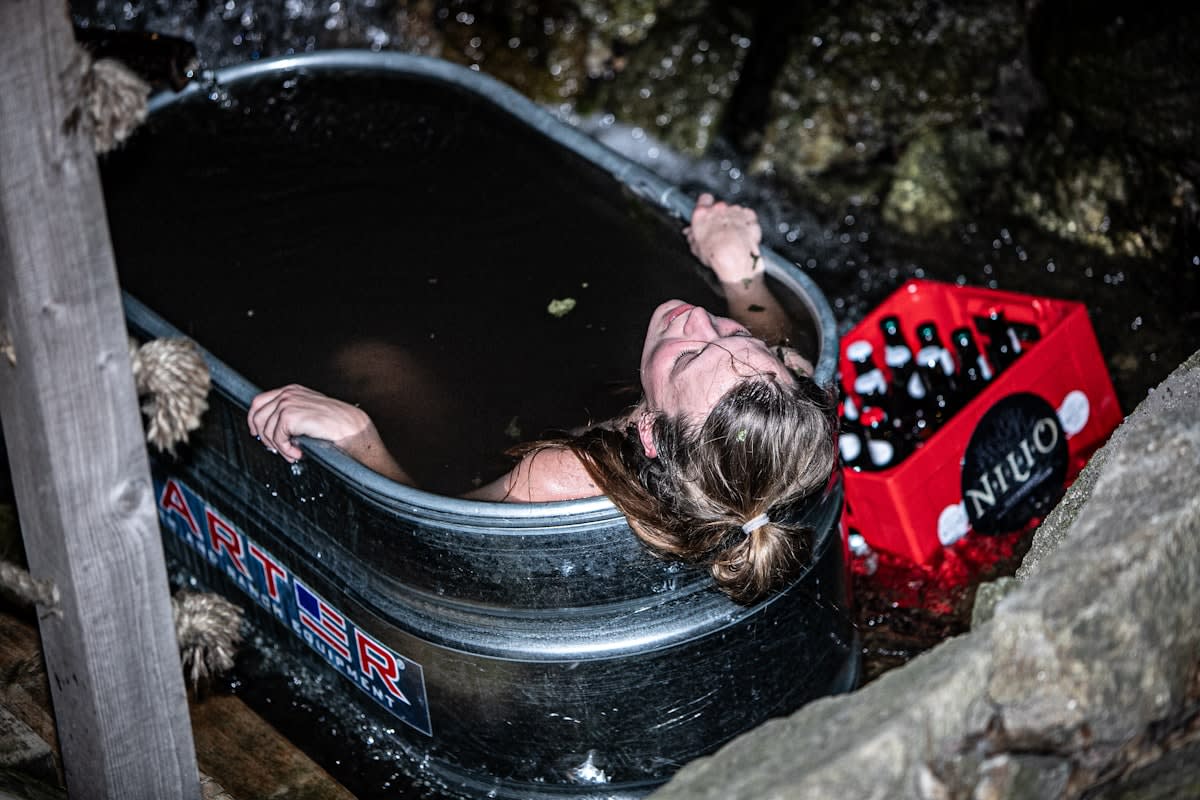
In the high-wealth hubs of Dubai and Singapore, we see the emergence of 'Resilience Centers.' These facilities combine hyperbaric oxygen therapy, contrast bathing, and precision-timed fasting. They aren't selling relaxation; they are selling the ability to withstand pressure. This is a critical distinction. The luxury market has shifted from the 'spa' experience—which is about sedation—to the 'recovery' experience, which is about activation. The target is no longer the exhausted worker seeking a nap, but the high-performer seeking an upgrade in biological bandwidth.
The Hormetic Window
The key to hormesis is the U-shaped dose-response curve. Too little stress leads to atrophy and fragility. Too much stress leads to injury and chronic inflammation. The 'Golden Zone' is the narrow window where the stress is sufficient to trigger adaptation without causing permanent damage.
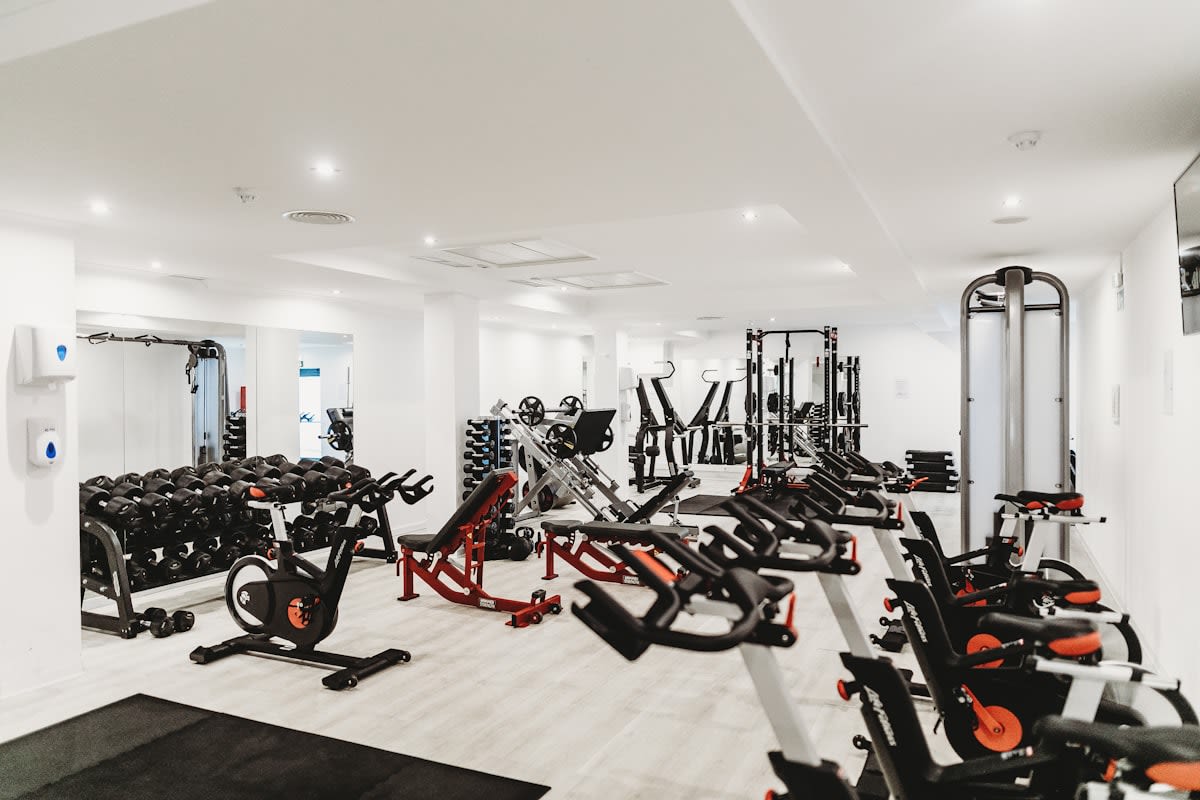
Nutritional hormesis is perhaps the most accessible frontier. Intermittent fasting and time-restricted feeding are no longer just about weight loss; they are tools for triggering autophagy. When the body is deprived of exogenous energy for 16 to 24 hours, it begins to recycle its own cellular debris. This internal housekeeping is essential for preventing the accumulation of protein aggregates associated with neurodegenerative diseases. We are seeing a global shift away from the 'three meals a day' dogma toward a more volatile feeding pattern that mimics the ancestral human experience.
Physical exertion is following a similar trajectory. The trend is moving away from steady-state cardio toward High-Intensity Interval Training (HIIT) and heavy resistance training. These activities create acute metabolic crises—lactic acid buildup, oxygen debt, and micro-tears in muscle fiber. While these feel 'bad' in the moment, they are the exact triggers required to stimulate mitochondrial biogenesis. The body responds to the crisis by building more, more efficient power plants within the cells.
The Future of Prescriptive Volatility
Looking forward, the next frontier is the personalization of stress. We are moving toward a world where AI-driven wearables will monitor your real-time biomarkers—heart rate variability (HRV), glucose levels, and cortisol—to determine your current adaptive capacity. Instead of a generic 'cold plunge for 3 minutes,' your system will tell you that today your nervous system is overtaxed and you need a low-stress recovery day, whereas tomorrow you are primed for a high-intensity hormetic trigger. This is the transition from 'blind stress' to 'precision stress.'
Projected Growth of the Global Longevity Medicine Market
Executive Insight
+18.4%
YTD Growth
As the longevity market expands toward a projected $45 billion valuation by 2030, the focus will increasingly land on the epigenetic triggers of resilience. We are discovering that we can effectively 'toggle' genes associated with longevity by manipulating our environment. The shift is profound: we are moving from a medical model of 'maintenance' to a model of 'fortification.' The goal is no longer to keep the patient stable, but to keep the patient adaptable.
This is the ultimate irony of the modern age. To survive the comforts of the 21st century, we must intentionally reintroduce the hardships of the 1st century. By embracing the cold, the heat, the hunger, and the strain, we aren't just extending our lifespans; we are expanding the quality of our living. The Hormetic Shift is a return to our biological roots, updated with the precision of modern science. It is a call to stop hiding from the wind and start learning how to sail in it.