
The suffix '-maxxing' has migrated from the fringes of internet subcultures into the center of global behavioral psychology. It is no longer just about hitting the gym or optimizing a skincare routine; it has evolved into a systemic drive to maximize every possible biological and digital variable to secure social status. We are witnessing the rise of 'Humanmaxxing,' a philosophy where the self is treated as a piece of software requiring constant patches and upgrades. Why has this become the default setting for a generation? The answer lies at the intersection of cutting-edge technology and an ancient, lagging biological operating system.
The Precision War: From Looksmaxxing to Mog-offs
In the most visible manifestation of this trend, teen boys are increasingly engaging in 'looksmaxxing.' As reported by the Child Mind Institute on July 2, 2026, this movement has shifted from a simple desire to be attractive to a high-stakes competition among peers. The objective is no longer just about attracting a partner; it is about dominance. This has birthed the 'mog-off,' an online contest where participants use facial recognition software to analyze and compare facial structures. When a machine determines who is objectively more aesthetically pleasing, the result is a cold, quantified hierarchy that leaves little room for nuance or self-esteem.
"With some of the teen boys I work with, most of whom already have self-esteem issues, I think there is a lot more concern about how they look."— Alnardo Martinez, LMHC, Child Mind Institute
These digital contests create a feedback loop of harsh criticism and relentless comparison. By outsourcing the evaluation of human beauty to software, the participants are essentially attempting to 'solve' their social status through geometry and symmetry. This approach transforms the human face into a set of variables to be optimized, mirroring the way a developer might optimize a piece of code. The psychological toll is significant, often exacerbating depression and social anxiety as the gap between a user's reality and the 'maxxing' ideal becomes an insurmountable chasm.
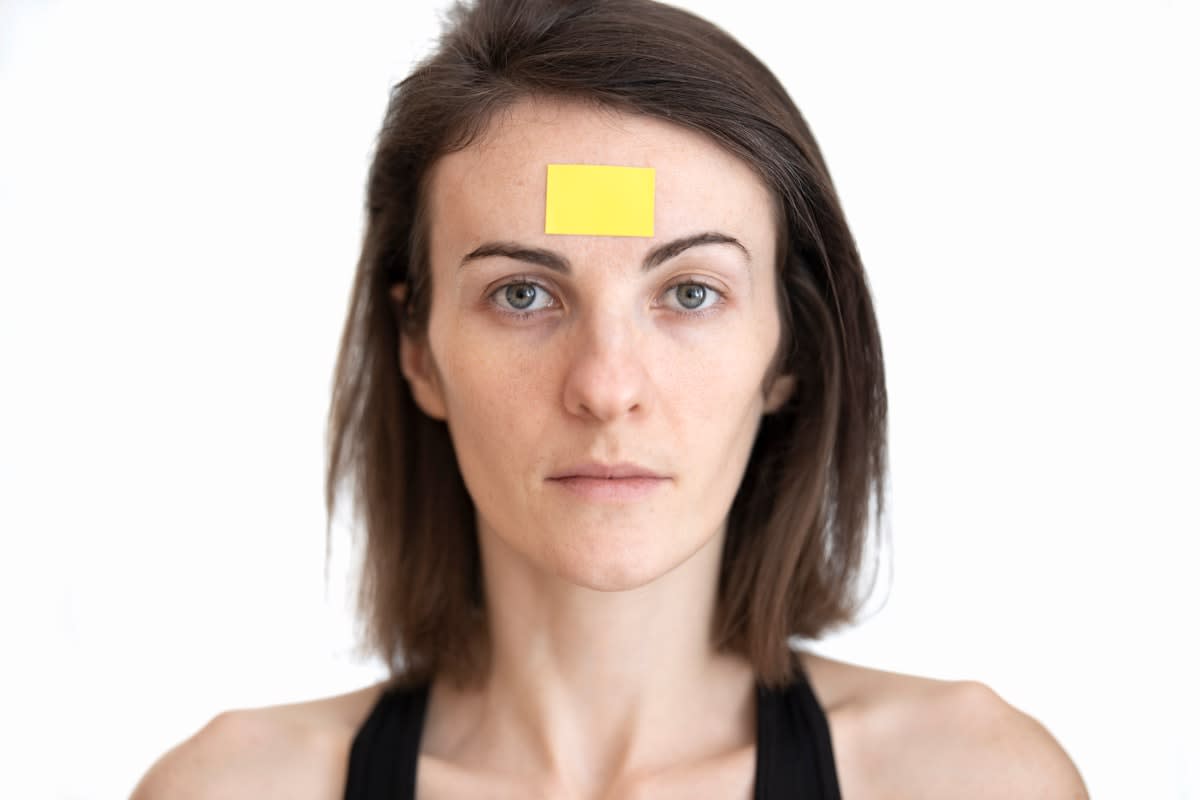
This obsession with biological optimization does not exist in a vacuum. It is the human mirror of a broader cultural shift toward efficiency that is currently sweeping through the tech industry. If we look at the world of Artificial Intelligence, we see a nearly identical linguistic and psychological pattern emerging. The drive to 'max' is universal, whether the subject is a jawline or a Large Language Model.
The Digital Parallel: Modelmaxxing vs. Tokenmaxxing
The evolution of AI usage provides a perfect case study for the 'maxxing' mindset. According to Business Insider on July 4, 2026, the first half of the year was defined by 'tokenmaxxing'—a period where companies pushed employees to use AI as much as possible, prioritizing volume over precision. However, the tide has turned. The current trend is 'modelmaxxing,' where the focus has shifted toward the efficient selection of the right model for the right task. It is no longer about how much AI you use, but how precisely you deploy it.
Take the approach of Morgan Linton, who directs a team of 16 engineers. Twice a week, he dictates exactly which AI models his team should utilize. This is not about restriction; it is about optimization. By moving away from the 'waste' of tokenmaxxing—where months of tokens were spent on inefficient brainstorming—teams are now seeking the absolute peak performance of specific tools. This mirror image of looksmaxxing shows that whether we are managing engineers or our own appearances, the global trend is moving from raw volume toward surgical precision.
The Optimization Delta
The shift from 'tokenmaxxing' to 'modelmaxxing' represents a broader cognitive transition: we are moving from an era of experimental abundance to an era of calculated optimization.
Is it a coincidence that our biological and digital optimization trends are peaking simultaneously? Likely not. Both behaviors stem from a fundamental tension between our evolutionary history and our current environment.
The Evolutionary Mismatch: Why We Can't Stop Comparing
Research from the Singapore University of Technology and Design, published on July 2, 2026, suggests that modern life is simply outpacing the human mind. Our brains evolved for small, familiar social groups where threats were immediate and faces were known. In that ancestral environment, competition was localized and manageable. Today, we are thrust into a 'polycrisis era' where we compete with billions of strangers via screens. This 'evolutionary mismatch' transforms a natural drive for status into a source of constant, overwhelming stress.
When we engage in looksmaxxing or mog-offs, we are essentially triggering prehistoric survival mechanisms using 21st-century tools. The fear of falling behind—once a signal that you might be cast out of a tribe—is now triggered by a facial recognition score or a LinkedIn update. This heightened sense of competition is not a personal failing but a biological response to an environment for which we were never designed. The result is a state of internal confusion where responses that once ensured survival now drive anxiety.
| Metric | Ancestral Environment | Modern 'Maxxing' Environment |
|---|---|---|
| Social Group Size | Small, familiar (150 people) | Global, anonymous (billions) |
| Competition Trigger | Direct interaction/Physicality | Algorithmic feeds/Software analysis |
| Optimization Goal | Group cohesion and survival | Quantified status and 'maxxing' |
| Feedback Loop | Slow, based on social trust | Instant, based on metrics/likes |
This psychological warping extends beyond status and into our very perceptions of safety and health. The BBC reported on July 3, 2026, that our 'behavioural immune system'—the psychological mechanism that reduces contact with pathogens—can be activated by mere news stories. This system can drive harsher moral judgments and even contribute to xenophobia, as people unconsciously tag others as bearers of illness. When we combine this with the 'maxxing' trend, we see a dangerous synergy: a drive to be 'perfect' combined with a biological impulse to shun anything perceived as 'defective' or 'unclean.'
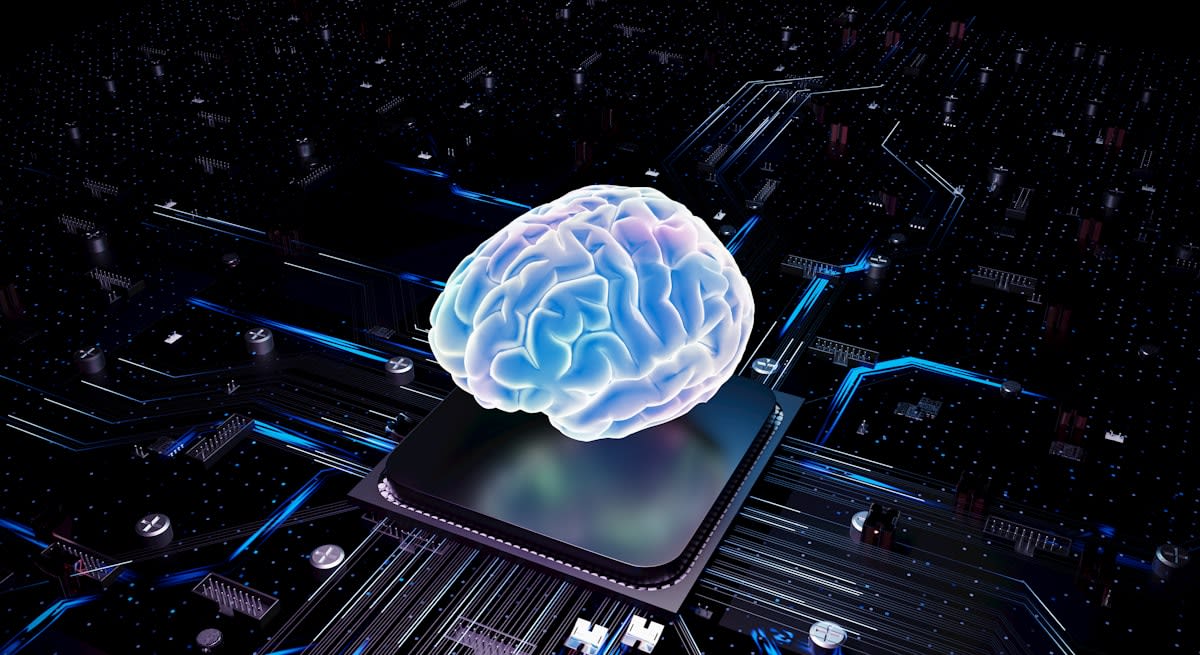
The convergence of these trends suggests that 'Humanmaxxing' is not just a phase for bored teenagers or ambitious engineers. It is a symptom of a species attempting to calibrate itself to a digital reality. We are trying to use the logic of the machine—optimization, efficiency, and quantification—to solve the problems of the primate brain.
Adaptation and the Path Forward
While the pressure to optimize can be crushing, there is an opportunity for resilience. The key lies in recognizing the mismatch. By understanding that the drive to 'max' is an evolutionary ghost, individuals can begin to decouple their self-worth from quantified metrics. The shift from tokenmaxxing to modelmaxxing in the AI world proves that we eventually move from blind consumption to intentional use. A similar shift is needed in our approach to biological optimization.
- Prioritize human-in-the-loop interactions over algorithmic validation.
- Recognize the 'behavioural immune system' triggers to avoid subconscious bias.
- Shift the focus from 'maxxing' (attaining a peak) to 'balancing' (maintaining health).
- Encourage positive role models who value character over quantified aesthetics.
Ultimately, the Humanmaxxing wave is a signal that we are in a period of intense psychological transition. We are learning, in real-time, how to live in a world where our every variable can be measured. The challenge is to ensure that in our quest to maximize our variables, we do not minimize our humanity. The most successful adaptation will not be the one who 'maxes' their jawline or their token use, but the one who manages to remain grounded in a world of digital noise.