
The New Metric of Success
For the last eighteen months, the global conversation around GLP-1 receptor agonists has been dominated by a single, seductive metric: the number on the scale. We witnessed a gold rush of rapid weight loss that seemed to defy decades of nutritional failure. But the narrative is shifting. The medical community is no longer asking how much weight a patient can lose, but rather, what exactly is being lost? The realization that significant weight reduction often comes at the cost of skeletal muscle is triggering a fundamental rewrite of how we approach protein nutrition on a global scale.
Twelve months ago, the primary clinical concern was gastrointestinal tolerance and dosage titration. Today, the focus has pivoted toward the composition of that weight loss. We are seeing a transition from a weight-loss paradigm to a muscle-preservation paradigm. This delta represents a sophisticated evolution in care, where the goal is no longer just a smaller body, but a functionally stronger one. Why settle for a lower number if it leaves the patient fragile?

The Lean Mass Leak
The data is stark and demands immediate attention. According to insights from Dr. Sera Ramadan, a double board-certified expert in internal and obesity medicine, approximately 20% to 30% of the weight lost via GLP-1 RA-induced therapy may originate from lean mass. Other body-composition studies push this figure even higher, estimating that lean tissue accounts for 26% to 40% of total weight loss. This is not a marginal side effect; it is a systemic challenge that threatens to undermine the very health gains these drugs are designed to provide.
"The goal isn’t simply to weigh less; it’s to be healthier and stronger."— Dr. Burnett
The Sarcopenia Warning
Patients with a history of severe sarcopenia must be approached with extreme caution. For these individuals, the loss of lean mass isn't just a cosmetic or performance issue—it's a critical risk to their basic mobility and independence.
This lean mass leakage creates a paradox: the patient looks healthier because the fat is gone, but they may be physiologically more vulnerable. This gap in nutritional strategy is forcing clinicians to integrate aggressive protein interventions and resistance training as non-negotiable components of the prescription. The industry is moving away from the 'pill-only' approach toward a holistic, multi-modal intervention.
To understand the magnitude of this shift, we must look at how the standard of care is evolving in real-time across different medical jurisdictions.
| Metric | Conventional Weight Loss | GLP-1 Optimized Approach |
|---|---|---|
| Primary Goal | Total Scale Reduction | Lean Mass Preservation |
| Protein Intake | General RDA | High-Density / FSMPs |
| Exercise Focus | Cardiovascular/Caloric Burn | Resistance/Hypertrophy Training |
| Success Marker | BMI Reduction | Body Composition Ratio |
Solving the Hypophagia Paradox
One of the most significant hurdles in protecting muscle is the phenomenon of prolonged hypophagia—a severe suppression of appetite. During dose escalation phases, patients often find it physically impossible to consume the volume of whole foods required to meet their protein needs. When voluntary dietary intake fails, the risk of protein-energy malnutrition skyrockets. How do you force-feed protein to someone who feels completely satiated?
The solution is emerging in the form of Food for Special Medical Purposes (FSMPs). These are not your average protein shakes; they are nutrient-dense, calorically defined alternatives formulated with optimized amino acid profiles. By utilizing FSMPs, clinicians can provide a nutritionally complete bridge during periods of pronounced appetite suppression, ensuring that the body does not begin scavenging its own muscle tissue for essential amino acids.
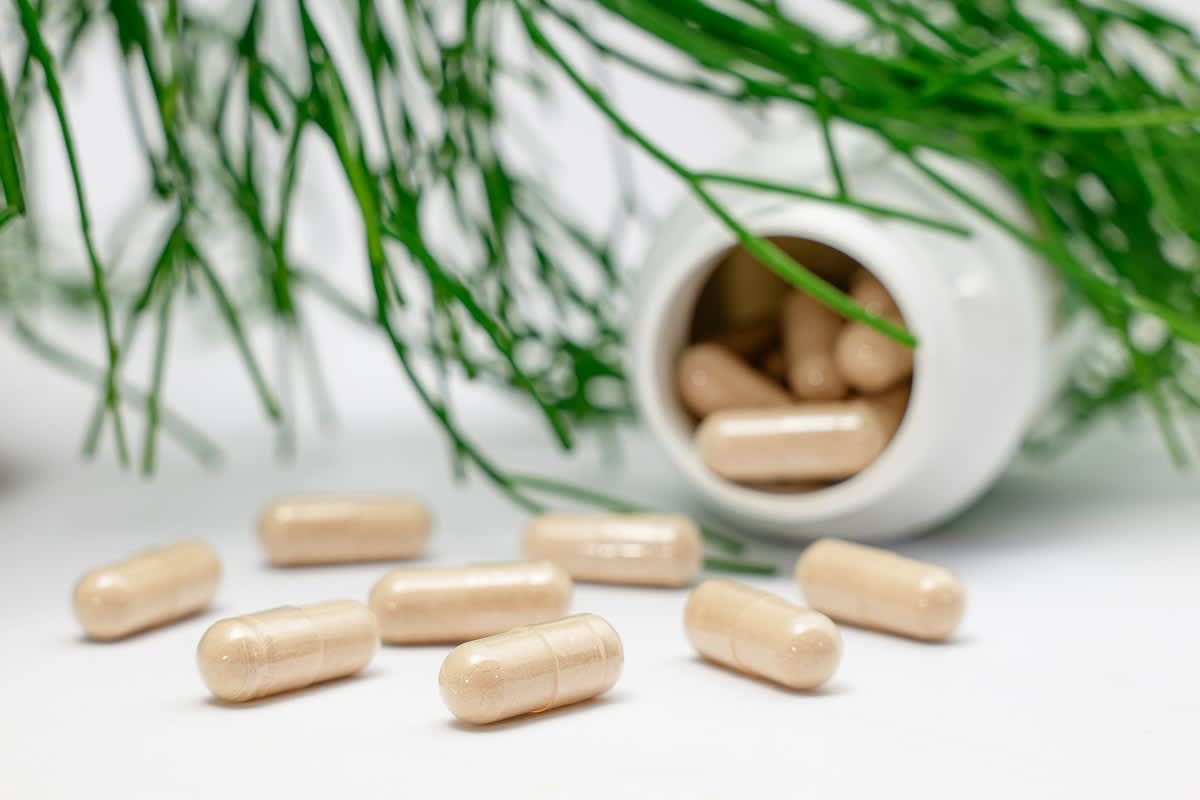
This approach is particularly critical when considering the metabolic role of protein. Protein does more than just build muscle; it slows digestion and keeps blood sugar steady, which complements the primary action of GLP-1s. By prioritizing high-protein, nutrient-dense delivery systems, the medical community is creating a safety net that prevents the 'crash' often associated with rapid weight loss.
While nutritional supplements provide the building blocks, the biological signal to keep that muscle must come from mechanical tension.
The Resistance Training Mandate
Protein alone is insufficient. To stop the lean mass leak, the body requires a stimulus that signals muscle necessity. This is where the integration of resistance training becomes mandatory. Drawing on established research from experts like S.M. Phillips and L.J. Van Loon regarding dietary protein for athletes, the industry is applying athletic-grade hypertrophy principles to the general obese population. The goal is to shift the body's priority from catabolism to maintenance.
- Prioritizing resistance training to provide the mechanical stimulus for muscle retention.
- Implementing high-protein FSMPs during dose escalation to counter hypophagia.
- Monitoring body composition via DEXA or similar scans rather than relying solely on weight.
- Tailoring protein intake to optimize amino acid profiles for muscle repair.
This shift is being mirrored globally. In high-income healthcare systems, we see the rise of integrated 'Weight Management Centers' that combine endocrinology with sports science. The objective is to ensure that as the fat mass drops, the functional capacity of the patient remains intact or even improves. This is the difference between becoming a smaller version of a frail person and becoming a leaner, stronger version of a healthy person.
Navigating the Risk Thresholds
Despite the benefits, the GLP-1 revolution is not without strict boundaries. Precision medicine requires a clear understanding of absolute contraindications. For instance, any history suggestive of medullary thyroid carcinoma or Multiple Endocrine Neoplasia (MEN) type 2 remains an absolute contraindication for these therapies. The urgency of weight loss never overrides the risk of oncological triggers.
Furthermore, the risk threshold for those with existing sarcopenia is significantly lower. For these patients, the 'Muscle Gap' is not a theoretical risk but a present danger. The clinical mandate is clear: if a GLP-1 medication is deemed appropriate, it must be wrapped in a protective layer of nutritional support and physical activity. The medication is the tool for fat loss, but the nutrition and exercise are the tools for survival and strength.
The Bottom Line
The integration of precision nutrition with GLP-1 therapy is transforming weight loss from a simple caloric deficit into a complex biological optimization process.
As we look forward, the 'Muscle Gap' will likely define the next era of metabolic health. The companies and clinicians who succeed will be those who stop obsessing over the scale and start obsessing over the muscle. The revolution is no longer about how much we can lose, but about how much we can keep.