NEET cancellation exposed NTA gaps: Parliamentary panel
Source Entity
MANASH PRATIM GOHAIN
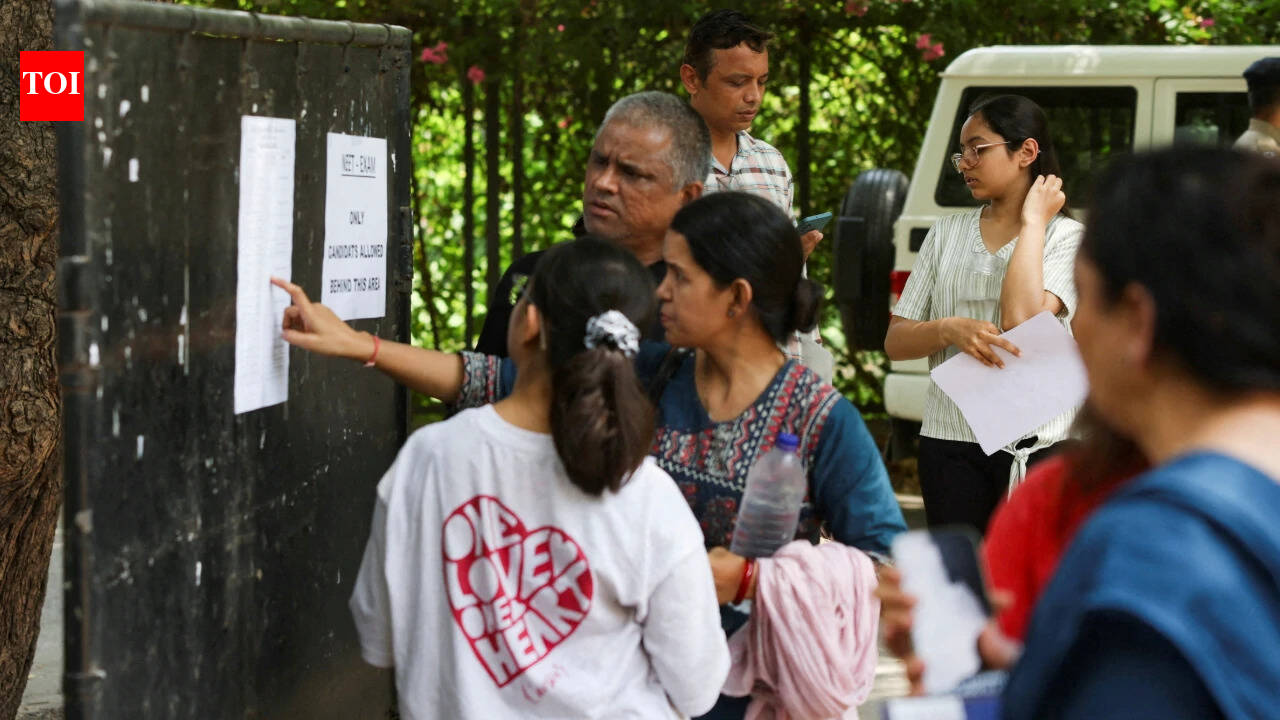
A Parliamentary panel has proposed a massive overhaul of the NTA following the 2026 NEET-UG paper leak. Key recommendations include shifting to computer-based testing, creating dynamic question banks, and establishing a registry to blacklist compromised vendors.
Parliamentary Panel Demands Overhaul of NTA Following NEET-UG Leak
In a significant move to restore public faith in India’s examination infrastructure, the Parliamentary Standing Committee on Education, led by Congress MP Mukul Wasnik, has tabled a comprehensive report in the Rajya Sabha. The 382nd report, titled “Reforms and Strengthening of the National Testing Agency,” addresses the systemic vulnerabilities exposed by the 2026 NEET-UG question paper leak, which occurred despite the presence of biometric checks, jammers, and AI-monitored CCTV surveillance.
Transitioning to Computer-Based Testing (CBT)
A core recommendation of the committee is the urgent transition of flagship entrance examinations, such as NEET-UG, from traditional pen-and-paper formats to a Computer-Based Test (CBT) mode. The panel argues that the physical handling of paper documents introduces unnecessary logistical risks that are exploited by bad actors. By digitizing the examination delivery, the government aims to reduce the human touchpoints that currently compromise the integrity of the testing process.
Dynamic Question Banks and Security Protocols
To combat the recurring threat of paper leaks, the committee has proposed the creation of large, diverse, and continuously updated question banks. The logic behind this approach is to shorten the window between the generation of the question paper and the actual examination, thereby minimizing the opportunity for leaks. This, combined with a recommendation to set the final question paper closer to the examination date, represents a structural shift toward a more agile and secure testing environment.
Institutional and Procedural Reforms
The panel’s report calls for a sweeping institutional overhaul of the National Testing Agency (NTA). This includes the permanent recruitment of specialized staff to replace reliance on temporary or outsourced personnel, and the establishment of a centralized national registry designed to identify and bar compromised or blacklisted exam vendors. By investing the NTA’s accumulated surplus into government-run test centers, the committee seeks to centralize control and minimize the involvement of third-party entities that may lack rigorous oversight.
Addressing Student Welfare and Future Trends
Beyond security, the committee has also considered the human element of these high-stakes exams. The report advises against invasive frisking at examination centers, suggesting that security measures must be balanced with student dignity. Furthermore, it proposes a mechanism to accommodate candidates who arrive late for genuine reasons, ensuring that strict security does not result in the unfair disqualification of students. These recommendations signal a move toward a more humane and robust assessment framework.
Conclusion
The recommendations put forth by the Mukul Wasnik-led committee represent a critical turning point for the NTA. By emphasizing technological integration, structural accountability, and proactive security measures, the parliamentary panel has laid a roadmap for rebuilding the credibility of India’s medical entrance system. Future implementation of these reforms will be essential to ensuring that the aspirations of millions of students are protected from the systemic failures witnessed in recent years.
Multiple Citing Sources