The Breaking Point of Conventional Antibiotics
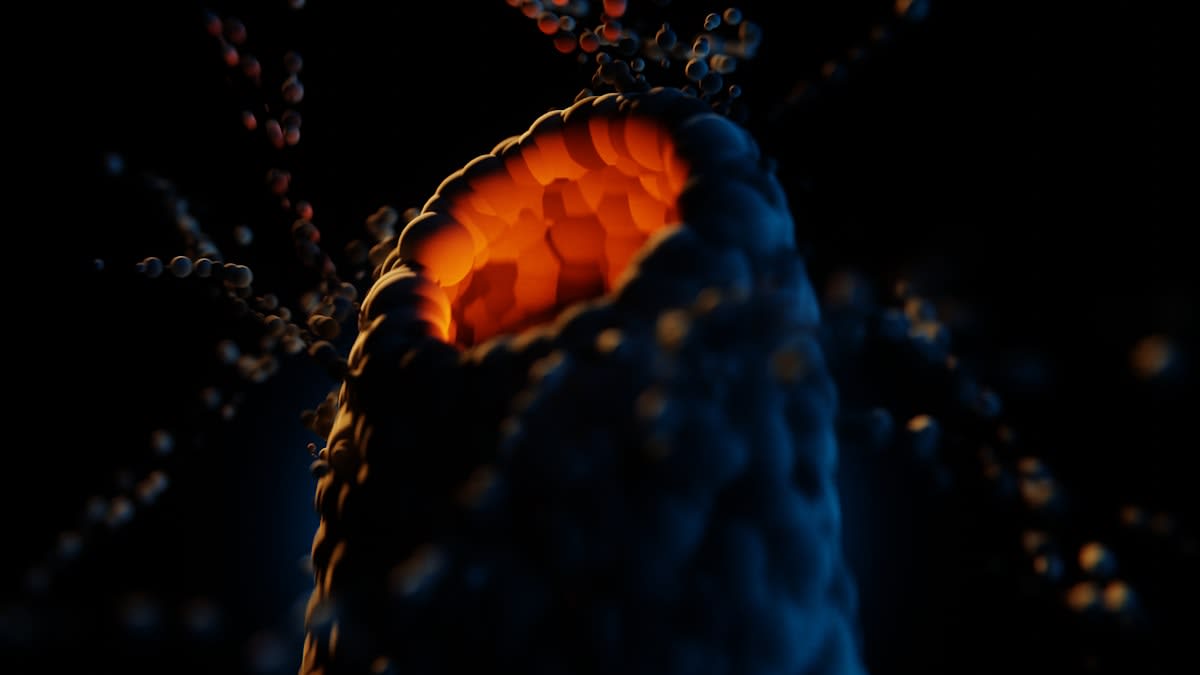
The era of the 'miracle drug' is over. For nearly a century, we relied on a broad-spectrum approach to infection: throw a chemical hammer at the bacteria and hope the host survives the collateral damage. But the bacteria evolved faster than our chemistry. We are now facing a reality where common surgical procedures or minor scrapes could become fatal due to pan-drug-resistant organisms. The World Health Organization warns that antimicrobial resistance (AMR) could cause 10 million deaths annually by 2050 if the current trajectory remains unchanged (Source: WHO, 2019). This isn't a slow decline; it is a systemic collapse of our primary defense mechanism.
Enter the bacteriophage. These are viruses that exclusively hunt and kill bacteria, leaving human cells untouched. While the West largely ignored phages in favor of the ease of penicillin, Eastern Europe—specifically Georgia—maintained a continuous lineage of phage research for decades. The pivot we are seeing now is the West finally catching up to a biological reality that was already operational in Tbilisi. We are moving away from static chemical compounds toward living, evolving therapeutics that can be tailored to a specific patient's infection in real-time.
"Antimicrobial resistance is not a future threat; it is a present reality that requires a fundamental shift from broad-spectrum chemicals to precision biologicals."— World Health Organization, Global Action Plan on AMR
This transition represents more than just a new tool in the kit. It is a philosophical shift in medicine. Antibiotics are designed to be stable, shelf-ready, and universal. Phages are dynamic. They co-evolve with their prey. When a bacterium develops resistance to a phage, the phage can mutate to overcome that resistance. This biological arms race happens in hours, not the decades it takes to develop a new class of synthetic antibiotics.
The Delta: From Compassionate Use to Clinical Standard
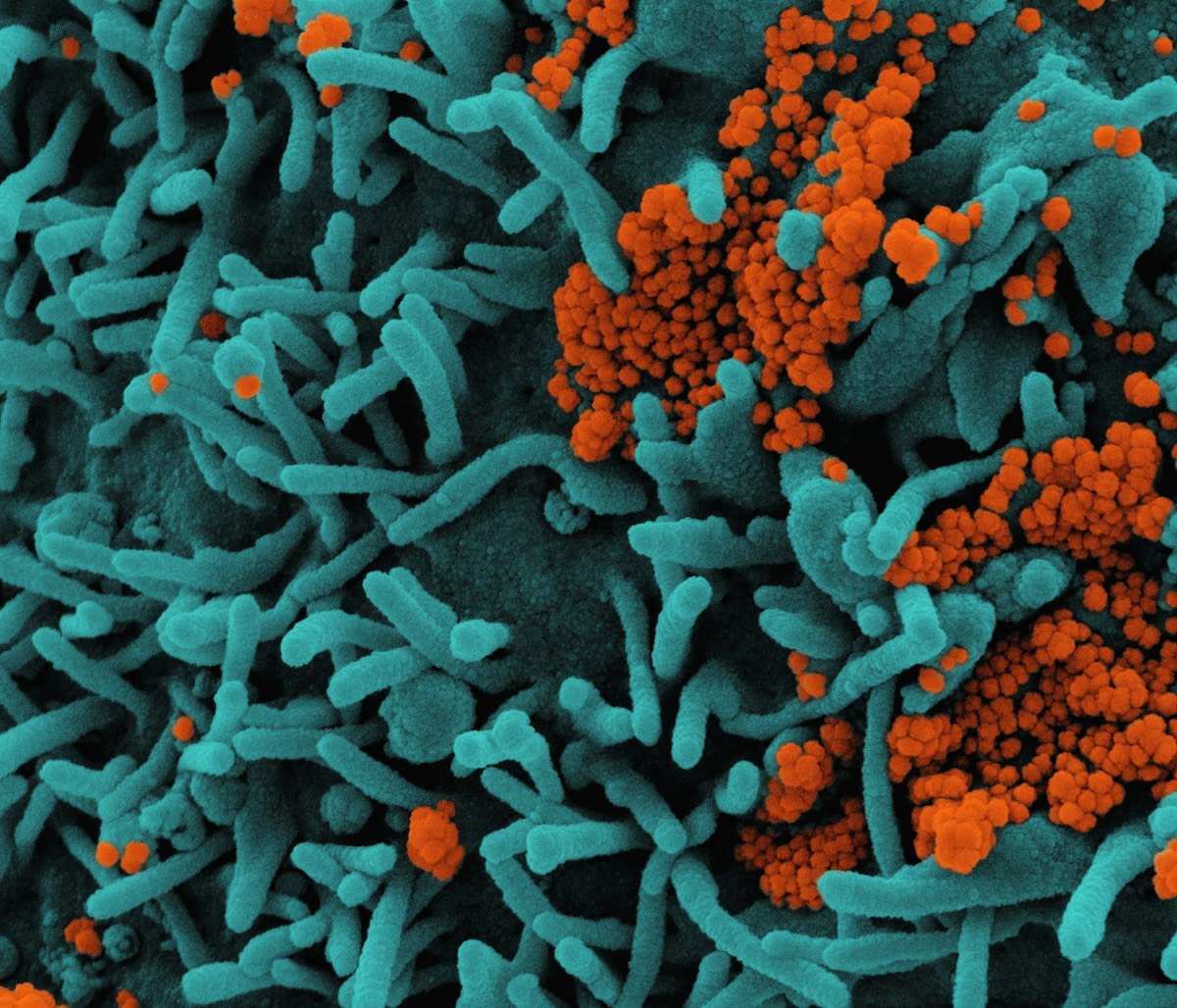
Six months ago, phage therapy was largely viewed as a 'Hail Mary' pass—a desperate measure for patients who had failed every other known treatment. This was the era of 'Compassionate Use' or Expanded Access, where doctors petitioned regulators like the FDA for a one-time exception to save a dying patient (Source: FDA, 2023). Today, the delta is clear: we are seeing a surge in structured Phase II and III clinical trials. The conversation has shifted from 'Can this save one person?' to 'How do we scale this for thousands?'
| Feature | Traditional Antibiotics | Bacteriophage Therapy |
|---|---|---|
| Targeting | Broad-spectrum (kills good and bad bacteria) | Highly specific (targets only the pathogen) |
| Resistance | Bacteria evolve; drug becomes obsolete | Phages co-evolve with the bacteria |
| Side Effects | High (gut microbiome disruption) | Low (minimal impact on healthy flora) |
| Production | Chemical synthesis (static) | Biological cultivation (dynamic) |
The infrastructure is changing to support this. We are seeing the rise of 'Phage Banks'—massive libraries of characterized phages that can be screened against a patient's isolate within 24 to 48 hours. In Belgium and the US, research centers are streamlining the 'matching' process, reducing the time between diagnosis and treatment. This speed is the critical metric. In a septic patient, the difference between a 7-day wait for a custom cocktail and a 24-hour turnaround is the difference between life and death.
However, this precision creates a logistical nightmare. The current pharmaceutical model is built on the 'blockbuster drug'—one pill that treats millions. Phage therapy is the opposite; it is personalized medicine. This creates a friction point between clinical efficacy and commercial viability. If every patient needs a different 'cocktail' of phages, how do you run a standardized double-blind trial? This is the primary debate currently raging in regulatory circles.
The Practitioner's View: Friction on the Ground
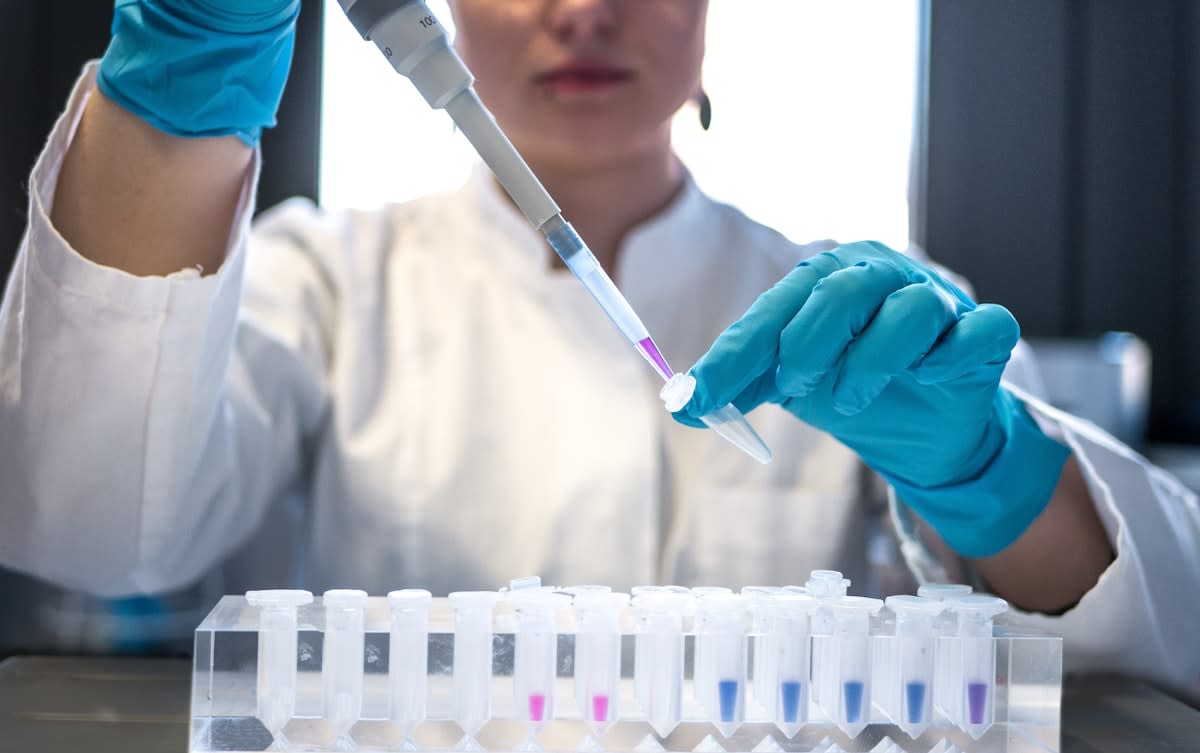
On the ground, the experience is far less clinical and far more visceral. Practitioners in the field describe a constant tension between the urgency of the patient's condition and the rigidity of regulatory frameworks. Imagine sitting with a patient who has a multi-drug resistant Pseudomonas infection; you have the phage that can kill it in your lab, but you can't administer it because the 'cocktail' hasn't been pre-approved as a fixed product. This is where the real fight is happening. Doctors are debating whether we should regulate the 'process' of phage selection rather than the 'product' itself.
There is also the 'matching' anxiety. Not every phage works for every strain of the same bacteria. A practitioner might test ten different phages against a patient's sample, only to find that none of them are effective. This 'hit-or-miss' nature of early phage therapy is a far cry from the predictability of a dose of Ciprofloxacin. The current goal is to build 'intelligent' cocktails—mixtures of phages that target different receptors on the bacteria to prevent the pathogen from evolving resistance during treatment.
The Next Frontier: Synthetic Biology and CRISPR
We are no longer limited to what we can find in sewage plants or soil. The pivot is now moving toward synthetic biology. By using CRISPR-Cas9, researchers are engineering 'designer phages' that can not only kill bacteria but also disable the genes that make them resistant to antibiotics. This creates a synergistic effect: the phage breaks the bacteria's defenses, and the old antibiotics suddenly start working again. This 'phage-antibiotic synergy' is the holy grail of current AMR research.
The implications are staggering. We are moving toward a future where we can program a virus to seek out a specific pathogen in the bloodstream, strip it of its virulence factors, and then dissolve it from the inside out. This level of precision reduces the systemic toxicity that plagues chemotherapy and broad-spectrum antibiotics. We aren't just fighting a war of attrition anymore; we are conducting a surgical strike.
- Regulatory Lag: The FDA and EMA struggle to categorize 'living' drugs that change over time.
- Scalability: Transitioning from bespoke lab cocktails to industrial-scale production.
- Public Perception: Overcoming the 'virus' stigma to explain that phages only attack bacteria.
- Insurance Reimbursement: Developing a payment model for personalized biologicals rather than mass-market pills.
Fact-Check & Accuracy Note
Key claims regarding AMR mortality rates are sourced from the WHO 2019 report. Information on 'Expanded Access' and 'Compassionate Use' reflects current FDA regulatory pathways for investigational new drugs. The distinction between fixed-dose and personalized cocktails is a central theme in current clinical literature regarding the 'Magistral' preparation model used in some European jurisdictions.
Editorial Note
This report focuses on the transition from chemical to biological interventions. While the potential of phage therapy is high, it is important to note that it is not yet a universal replacement for antibiotics, but rather a precision complement intended for resistant strains.