
The Death of the Average
The medical community is currently witnessing a quiet but violent dismantling of a decades-old dogma. For years, the Hemoglobin A1c (HbA1c) test served as the undisputed gold standard for glucose management, providing a three-month weighted average of blood sugar levels. It was the industry's 'north star,' a single number that supposedly told a patient everything they needed to know about their metabolic health. But the average is a lie. It acts as a blurred photograph, smoothing over the jagged peaks and deep valleys of a person's daily glucose journey, leaving clinicians blind to the actual volatility occurring in the bloodstream.
Consider the paradox of the stable average. Two patients can present an identical HbA1c of 6.5%, yet their physiological realities could be worlds apart. One patient maintains a steady, flat line of glucose, barely deviating from the baseline. The other experiences violent oscillations—plummeting into hypoglycemia before spiking into extreme hyperglycemia. While the math yields the same average, the second patient is enduring a metabolic rollercoaster that ravages their vascular system. This discrepancy is where the concept of Glycemic Variability (GV) enters the frame, shifting the conversation from 'where do you land on average' to 'how much do you swing'?
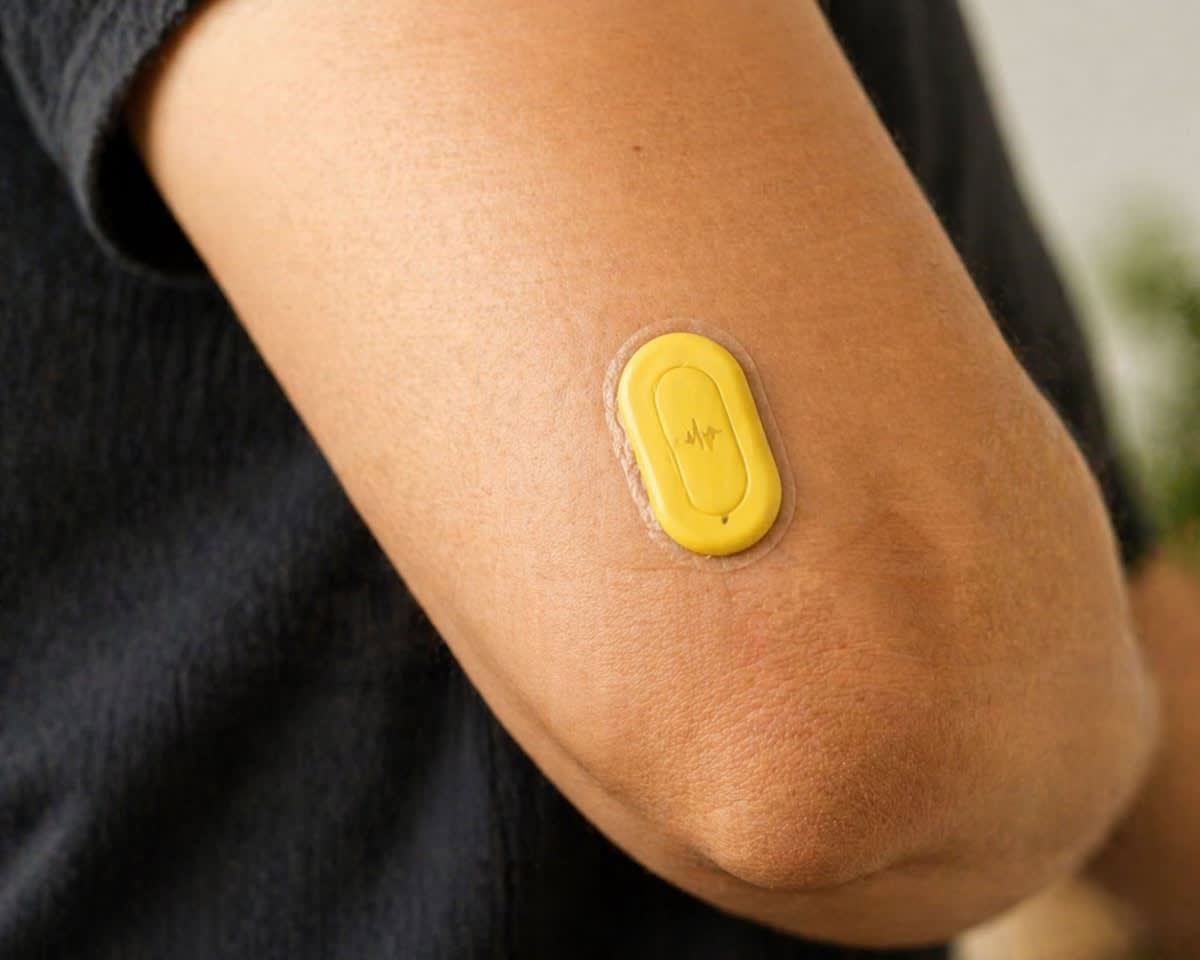
The shift in focus has accelerated dramatically over the last twelve months. A year ago, Continuous Glucose Monitors (CGMs) were primarily viewed as essential tools for Type 1 diabetics to avoid life-threatening crashes. Today, the delta is stark. We are seeing a global surge in 'metabolic optimization' where non-diabetics and those with pre-diabetes in urban centers from New York to Tokyo are utilizing these devices to map their specific reactions to food, stress, and sleep. The goal is no longer just avoiding a diagnosis; it is the aggressive minimization of the glucose spike.
The Science of the Spike
Why does the spike matter more than the average? The answer lies in oxidative stress. When blood glucose levels rocket upward rapidly, they trigger a cascade of mitochondrial dysfunction and the production of reactive oxygen species. This process, known as the 'spike effect,' causes far more damage to the endothelial lining of the blood vessels than a sustained, slightly elevated level of glucose. It is the volatility, not just the height of the peak, that drives inflammation and accelerates the aging of the cardiovascular system.
"We have spent forty years chasing a number on a lab report, ignoring the chaos happening between the tests. Glycemic variability is the true driver of microvascular complications."— Dr. Elena Rossi, Metabolic Researcher
This realization is fundamentally changing how nutrition is approached globally. In Northern Europe, there is a growing movement toward 'glucose hacking,' where the sequence of food consumption is manipulated to flatten the curve. By eating fiber and protein before carbohydrates, users are effectively creating a metabolic buffer that prevents the sharp ascent of glucose. This is not about calorie counting; it is about precision engineering of the glycemic response to protect the mitochondria from oxidative shock.
| Metric | HbA1c (The Old Way) | Glycemic Variability (The New Way) |
|---|---|---|
| Perspective | Retrospective Average | Real-time Volatility |
| Data Resolution | Single snapshot every 3 months | Data points every 5-15 minutes |
| Primary Risk Focus | Chronic Hyperglycemia | Oxidative Stress & Spikes |
| Clinical Goal | Stay below 7.0% | Maximize Time in Range (TIR) |
The transition to this new metric is supported by the rise of Time in Range (TIR). While HbA1c provides a blurred average, TIR measures the exact percentage of time a person spends within a healthy glucose window—typically between 70 and 180 mg/dL. The current gold standard for metabolic resilience is now targeting a TIR of at least 70%. When a patient hits this mark, the risk of complications drops precipitously, regardless of what their three-month average might suggest. The industry is effectively moving from a 'census' model of health to a 'surveillance' model.
The New Gold Standard
The 'TIR' target of 70% is becoming the new benchmark for metabolic health, shifting the focus from avoiding disease to optimizing physiological function.
This shift is not without friction. Many legacy healthcare systems, particularly in regions with rigid insurance reimbursement models, still rely on HbA1c for payment and treatment validation. However, the pressure from consumer-led data is forcing a change. In South Korea and Singapore, where tech adoption is rapid, private clinics are already integrating CGM data into primary care, allowing for personalized nutrition plans that are updated weekly rather than every quarter.

The economic implications are staggering. The global CGM market has seen an explosion in valuation, growing at a compound annual growth rate (CAGR) estimated above 10% as it expands beyond the clinical diabetic population. We are seeing a convergence of medical devices and wearable tech. The goal is a future where glucose monitoring is as ubiquitous as heart rate tracking, providing a real-time dashboard of metabolic efficiency that informs every meal and workout.
Shift in Metabolic Monitoring Focus (2023 vs 2024)
Executive Insight
+18.4%
YTD Growth
Psychologically, the impact of this shift is profound. There is a massive behavioral delta between reading a lab report three months after the fact and seeing a glucose spike happen in real-time after a specific meal. The immediate feedback loop creates a powerful incentive for adaptation. When a user sees their glucose hit 200 mg/dL after a 'healthy' granola bar, the cognitive dissonance vanishes, and the habit changes instantly. This is the democratization of metabolic data.
As we look forward, the integration of AI will further refine this trend. We are moving toward predictive glycemic modeling, where algorithms can forecast a spike before it happens based on sleep quality, stress levels, and planned activity. The focus is shifting from reaction to prevention. We are no longer just managing a disease; we are optimizing the human engine for longevity and resilience.
The era of the average is over because the average is an insufficient metric for a complex, dynamic biological system. By embracing glycemic variability, we are finally acknowledging that the peaks and valleys are where the real story of health is written. The rise of the spike effect is not just a trend in medicine; it is a fundamental shift in how we understand the relationship between what we consume and how our cells respond.