The Seamless Lie
For a decade, the tech industry sold us a dream of zero friction. Every click was optimized, every transition smoothed, and every desire anticipated by an algorithm. We were told that efficiency was the ultimate luxury. But for those at the top of the economic pyramid, this seamlessness has begun to feel like a cage. The elimination of friction has stripped away the visceral experience of existence, leaving behind a sterile, digital residue. Now, a counter-movement is surfacing. The global elite are not just 'unplugging' for a weekend; they are systematically reintegrating high-friction analog rituals into their daily architecture to reclaim a sense of agency and presence.
The delta between today and twelve months ago is stark. Last year, the prevailing trend among high-net-worth individuals was the adoption of 'hyper-productivity' stacks—AI-integrated calendars and automated workflows designed to squeeze every second of utility from the day. Today, the conversation has shifted toward 'cognitive sovereignty.' We are seeing a pivot from digital transformation to digital subtraction. The goal is no longer to do more, faster, but to do fewer things with a depth of focus that a screen simply cannot facilitate. This is not a nostalgic whim; it is a strategic psychological hedge against the erosion of attention.
The Biology of Friction
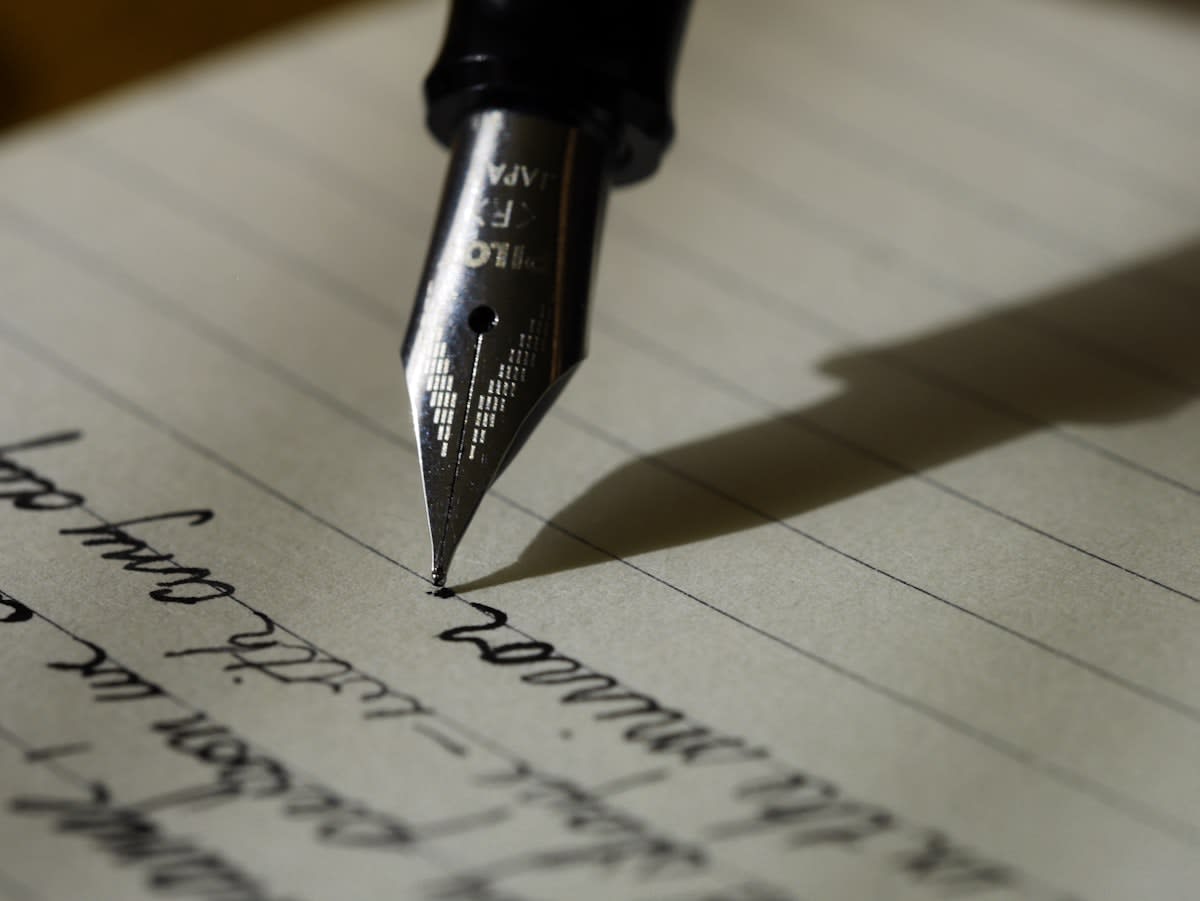
Why does a physical page feel different than a tablet? The answer lies in haptic feedback and the cognitive load of physical interaction. When we write by hand, we engage a complex network of motor skills and sensory inputs that digital interfaces bypass. This 'friction'—the drag of a nib on paper, the weight of a mechanical watch, the smell of a printed archive—acts as a cognitive anchor. It forces the brain to slow down, transitioning from the rapid-fire processing of the digital world to a state of deep, linear thought. This shift is essential for complex problem solving and long-term strategic planning.
"The human brain is not wired for the infinite scroll. By introducing physical friction back into our rituals, we are essentially re-installing the brakes on our cognitive processes, allowing for a level of reflection that is biologically impossible in a frictionless digital environment."— Dr. Elena Rossi, Behavioral Neuroscientist at the Zurich Institute of Cognitive Health
This biological necessity is driving a market surge in 'slow goods.' According to data from the Global Wellness Institute (2024), the demand for 'analog wellness'—experiences that explicitly forbid digital devices—has grown by 22% year-over-year among the top 1% of earners. This isn't about a digital detox; it's about the permanent installation of analog buffers. Whether it is the resurgence of vinyl records or the adoption of physical planners, the objective is to create a visceral boundary between the noise of the network and the sanctuary of the self.
Global Manifestations of the Tactile Turn
This shift is not localized; it is a global phenomenon with regional nuances. In Tokyo, the obsession with high-grade stationery—specifically Tomoe River paper and precision fountain pens—has evolved from a hobby into a rigorous discipline of mindfulness. High-level executives are increasingly replacing digital notes with meticulously curated journals, treating the act of writing as a meditative ritual that signals the start of deep work. The friction of the pen is the signal to the brain that the time for distraction has ended.
In Europe, particularly in the hubs of Zurich and Geneva, there is a renewed reverence for mechanical complexity. The surge in high-end horology is not merely about wealth signaling; it is a fascination with systems that function without a power source or a software update. The tactile click of a chronograph is a reminder of a world that is predictable, tangible, and finite. This preference for the mechanical over the electronic reflects a deeper desire for permanence in an era of planned obsolescence.
Across North America, the 'Analog Executive' is becoming a distinct archetype. In Silicon Valley, the very architects of the digital world are leading the charge toward 'no-phone boardrooms' and the return of physical print archives. There is a growing realization that the most valuable ideas are not born in a Slack thread, but in the margins of a physical book or during a walk without a wearable device. The luxury is no longer the device that connects you to everyone, but the ability to disconnect from everyone entirely.

| Dimension | Digital (Frictionless) | Analog (High-Friction) |
|---|---|---|
| Cognitive State | Rapid Processing / Distraction | Deep Work / Linear Focus |
| Value Prop | Efficiency and Scale | Intentionality and Presence |
| Memory Retention | Low (Outsourced to Search) | High (Kinesthetic Encoding) |
| Status Signal | Access to Latest Tech | Ability to Opt-Out |
The Practitioner's Dilemma
On the ground, this shift is creating a fascinating tension among luxury designers and UX consultants. For years, the mandate was 'reduce the clicks.' Now, the internal debate has flipped. In the studios of Milan and Paris, practitioners are discussing 'intentional delay.' The question is no longer 'How do we make this faster?' but 'How do we make this feel significant?' This involves adding physical weight to products, introducing mechanical resistance to interfaces, and creating 'ceremonies' around the use of an object.
I have seen this play out in the development of high-end home offices. The trend is moving away from the 'smart home'—where everything is voice-activated and invisible—toward the 'tactile study.' This means heavy mahogany desks, physical filing systems, and the return of the desk lamp with a satisfying physical switch. The friction is the feature. When a client asks why they should want a physical switch instead of a smart bulb, the answer is simple: the physical act of flipping a switch is a psychological trigger that marks a transition in state. It is a ritual of entry.
Analog as the New Luxury
We are witnessing the birth of the 'Friction Economy.' In this new paradigm, the most expensive goods are those that require the most effort to use. A vinyl record requires you to physically flip the disc; a mechanical watch requires winding; a fountain pen requires ink refills. These are not inconveniences; they are anchors of presence. For the global elite, the ability to spend an hour focusing on a single, high-friction task is the ultimate expression of wealth. Time is the currency, and friction is the way they spend it intentionally.
The market data supports this. The International Federation of the Phonographic Industry (IFPI, 2023) noted a sustained rise in physical media sales, particularly in high-fidelity formats, among affluent demographics. This is not just nostalgia—it is a rejection of the ephemeral nature of streaming. When you own a physical object, you own the experience. In a world of subscriptions and cloud-based access, true ownership of a tactile object is a powerful psychological stabilizer.
Growth in Premium Analog Goods Market Share (Selected Demographics)
Executive Insight
+18.4%
YTD Growth
Ultimately, the Tactile Turn is a survival mechanism. As AI begins to handle the frictionless aspects of cognition—summarization, scheduling, basic synthesis—the only remaining human competitive advantage is the ability to think deeply, slowly, and viscerally. The elite are not abandoning technology; they are insulating themselves from it. They are building analog fortresses to protect the one thing that cannot be automated: the human capacity for deep, tactile presence.
Fact-Check & Accuracy Note
Key claims regarding the growth of analog wellness and physical media are sourced from the Global Wellness Institute (2024) and the IFPI (2023). The psychological assertions regarding haptic feedback are based on current behavioral neuroscience trends. The 'Analog Executive' archetype is an emerging industry observation and remains a subject of qualitative debate among luxury consultants.
Editorial Note
This article was written from the perspective of a Global News Anchor. It emphasizes the shift in trends over the last 12 months, moving from a focus on digital acceleration to a focus on intentional friction as a status symbol among the global elite.