
The End of the Binary Baseline
For decades, the neurological clinic was a place of rescue. Doctors sought to stop the tremor, quell the seizure, or retrieve a lost memory. The objective was binary: you were either healthy or you were sick. If you were sick, the goal was to return you to a functional baseline. This was the era of healing, a reactive model where the medical intervention only began after the system failed. It was a necessary phase, but it was limited by its own definition of success as the mere absence of pathology.
That binary is collapsing. We are entering the era of the tune, where the objective is no longer to return to a baseline, but to redefine the baseline itself. Precision neurology is shifting its gaze from the patient to the performer. Why settle for the absence of depression when you can optimize for peak resilience? Why wait for cognitive decline when you can tune your neural circuits for enhanced plasticity? This isn't about fixing what is broken; it is about upgrading what is working.
Defining the Shift
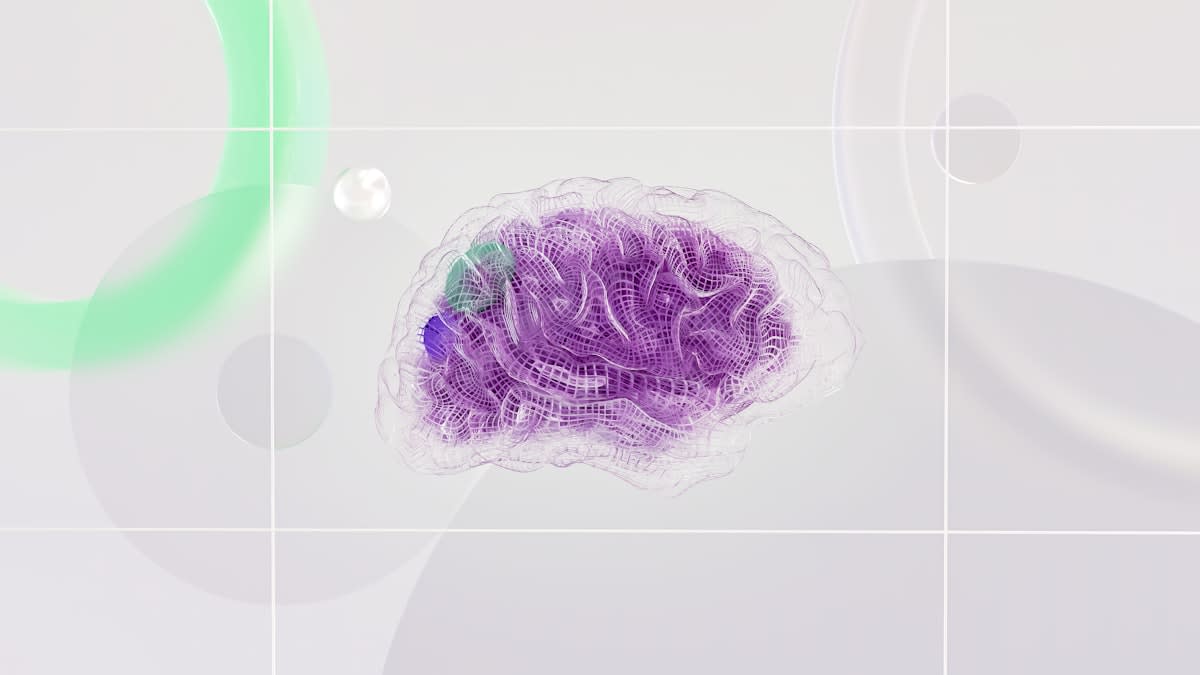
The Tuning Era represents a paradigm shift where the brain is treated as a dynamic instrument to be calibrated rather than a biological machine to be repaired. The focus moves from 'pathology' to 'performance.'
The delta between today and twelve months ago is staggering. Last year, the conversation around Brain-Computer Interfaces (BCIs) and neuromodulation centered almost exclusively on paralysis and locked-in syndrome. The narrative was one of desperation and recovery. Today, the discourse has pivoted toward cognitive endurance, emotional regulation, and the 'engineering' of focus for the general population. We have moved from the laboratory of the disabled to the clinic of the ambitious in a remarkably short window.
The Geography of Performance
This shift is not a localized phenomenon; it is a global race for cognitive sovereignty. In Singapore, a new wave of neuro-performance hubs is emerging, focusing on high-stakes cognitive endurance for executives and athletes. These clinics utilize non-invasive transcranial stimulation to prime the brain for deep work, treating focus as a muscle that can be electronically exercised. The goal here is not the treatment of ADHD, but the optimization of attention for those who already possess it.
Across the globe in Zurich, the approach is more surgical and precise. Swiss precision clinics are integrating closed-loop deep brain stimulation (DBS) not just for Parkinson's, but for the calibration of mood and affect. They are treating the brain as a series of tunable frequencies. By identifying the specific neural signature of a 'flow state,' these practitioners are attempting to make peak performance a programmable setting rather than a random occurrence of nature.
Meanwhile, in the bio-convergence labs of North America, the line between medical neurology and consumer biohacking has blurred entirely. We see the rise of 'Performance Neurology,' where high-net-worth individuals pay for neural mapping to identify their cognitive bottlenecks. They aren't seeking a cure for a disease they don't have; they are seeking the removal of biological ceilings that limit their intellectual output. The clinic has become a gym for the mind.
"We are moving from a world where we treat the brain's failures to a world where we manage its potentials. The question is no longer 'How do we fix this?' but 'How do we maximize this?'"— Dr. Aris Thorne, Neuro-Optimization Lead
This technological leap is not happening in a vacuum; it is being driven by a specific set of global economic pressures. In an era of AI-driven productivity, the human brain is the ultimate bottleneck. The pressure to keep pace with synthetic intelligence is pushing the medical community to move beyond the 'healing' model toward a 'tuning' model that can keep human cognition competitive.
The Mechanics of the Tune
The engine behind this shift is the transition to closed-loop systems. Traditional neuromodulation was open-loop: a device delivered a constant stream of electricity regardless of the brain's current state. It was a blunt instrument. Modern precision neurology, however, uses real-time biomarkers to sense neural activity and deliver stimulation only when needed. This allows for a level of granularity that makes 'tuning' possible. The device doesn't just stimulate; it listens, analyzes, and adapts.
| Metric | The Healing Era (Past) | The Tuning Era (Present) |
|---|---|---|
| Primary Goal | Pathology Reduction | Performance Optimization |
| Target Audience | Patients | High-Performers / Healthy |
| Success Measure | Absence of Symptoms | Enhanced Cognitive Output |
| Intervention Style | Reactive / Corrective | Proactive / Calibrating |
Consider the impact on emotional regulation. In the healing era, an antidepressant was used to pull a patient out of a clinical depression. In the tuning era, adaptive stimulation is used to maintain a state of 'optimal arousal.' By monitoring the amygdala and prefrontal cortex in real-time, these systems can nudge a user away from anxiety and toward a state of calm focus before the user even consciously feels the stress. It is a preemptive strike against emotional instability.
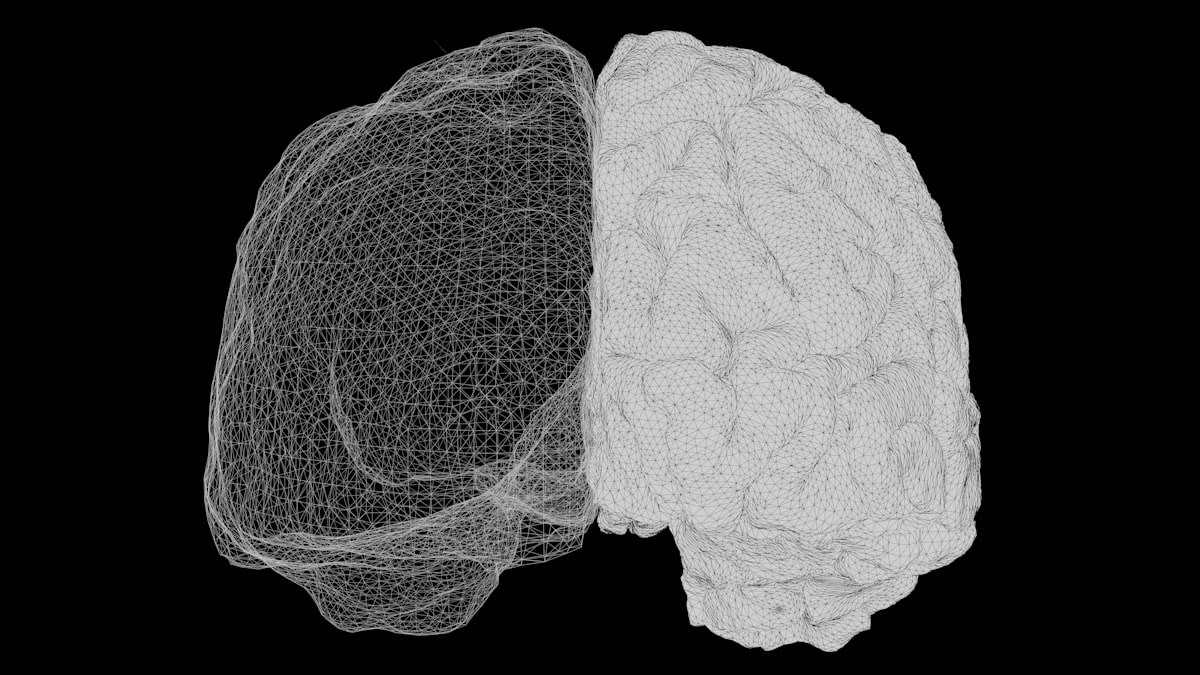
The data density required for this is immense. We are seeing a surge in the use of high-resolution EEG and fMRI to create 'neural fingerprints.' These fingerprints allow practitioners to know exactly which frequency of stimulation will trigger a specific cognitive state in a specific individual. This is the essence of precision neurology: the realization that there is no universal 'healthy' brain, only a series of individualized optimal configurations.
The Economic Engine of Optimization
The financial markets are already pricing in this shift. The global neuromodulation market, which was once a niche sector of medical device manufacturing, is experiencing an aggressive growth trajectory. While traditional medical devices grow at a steady pace, the 'performance' segment of neurology is seeing venture capital inflows that mirror the early days of the biotech boom. Investors are no longer betting on a single drug for a single disease; they are betting on the infrastructure of human enhancement.
Projected Growth of the Global Neuromodulation Market (2023-2030)
Executive Insight
+18.4%
YTD Growth
Industry analysts project the market to exceed 16 billion USD by 2030, with a significant portion of that growth driven by non-clinical applications. We are seeing a transition from 'medical necessity' to 'lifestyle elective.' This shift changes the entire reimbursement model of neurology. When a procedure is for optimization rather than healing, it moves from insurance-funded to out-of-pocket, creating a lucrative new luxury tier of healthcare.
This economic shift is also driving the hardware. We are moving away from bulky, implanted electrodes toward 'neural lace' and wearable interfaces that can modulate brain activity through the skull. The goal is invisibility. The most successful optimization tools will be those that integrate seamlessly into the user's life, providing a constant, subtle tune that the user doesn't even notice, but whose results are evident in their productivity and mood.
The Ethics of the New Baseline
As we move toward optimization, we encounter a profound philosophical crisis: what happens to the definition of 'normal'? If a significant portion of the workforce is using precision neurology to tune their focus and resilience, the un-tuned brain becomes the new pathology. The baseline doesn't just move; it accelerates. We risk creating a society where 'natural' cognitive function is viewed as a deficiency, and 'optimized' function is the minimum requirement for professional survival.
There is also the question of the 'optimized self.' If you can tune your brain to be perpetually productive and emotionally stable, do you lose the friction that defines human creativity and empathy? The struggle, the boredom, and the sadness are often the catalysts for profound personal growth. By smoothing out the neural valleys, we may inadvertently flatten the peaks of the human experience. The risk is a world of perfectly calibrated, highly efficient, but fundamentally hollow individuals.
Despite these risks, the momentum is irreversible. The desire for optimization is a fundamental human drive. The challenge for the next decade will not be whether we should tune the brain, but how we govern the access to these tools. If precision neurology remains a luxury of the elite, we are not just looking at a wealth gap, but a biological gap—a divergence in the actual cognitive capacities of different socioeconomic classes.
The Tuning Era is here. It is an era of immense opportunity, offering a way to transcend our biological limitations and unlock levels of human potential previously relegated to science fiction. But it requires a new kind of vigilance. We must ensure that in our quest to optimize the mind, we do not forget the value of the mind in its raw, uncalibrated, and beautifully imperfect state.