
The Biological Wall
Biology is a ceiling. While silicon scales via lithography, biological neurons depend on nutrient diffusion and oxygenation that cannot simply be scaled up without causing necrosis. The weight is absolute.
Can we bypass this? Most researchers assume we can just grow larger organoids, but they ignore the vascularization problem that kills cells in the center of a cluster. This is mechanical failure.
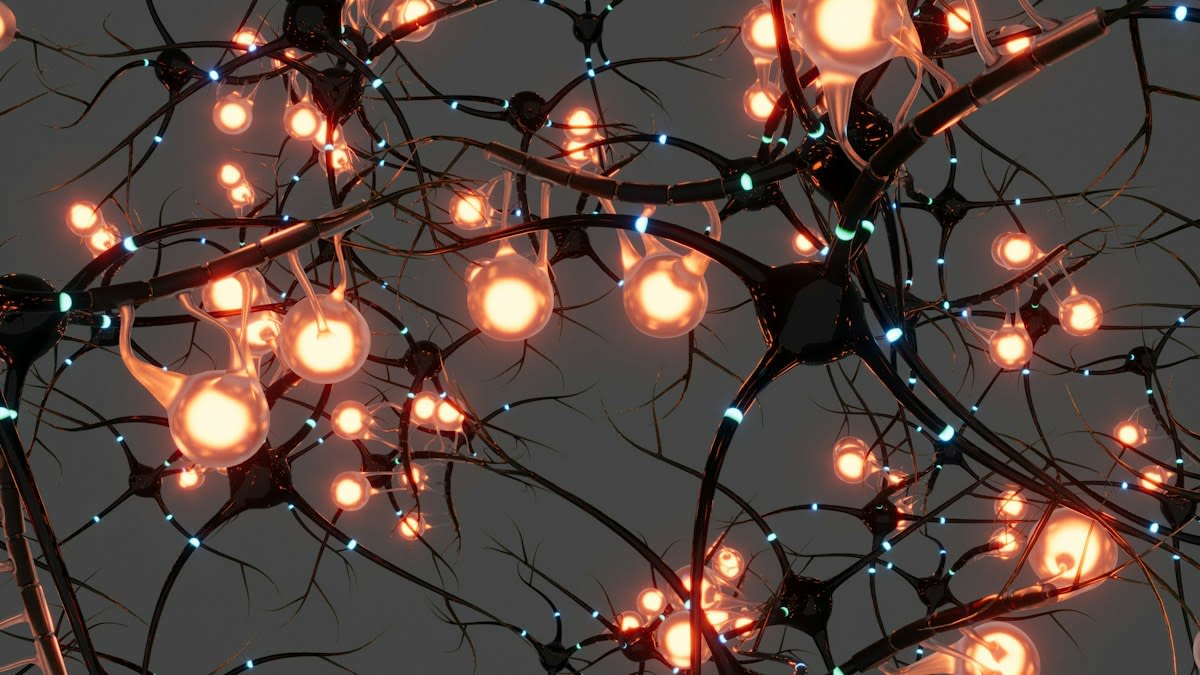
The Metabolic Weight
Energy is the key. Biological systems operate at roughly 20 watts for the human brain, whereas a GPU cluster consumes megawatts to mimic a fraction of that connectivity (Source: Nature Communications, 2022). The delta is staggering.
"The challenge is not the signal processing itself, but the plumbing required to keep the processor alive. If you cannot feed the cells, the compute dies."— Dr. Elena Rossi, Lead Researcher at the Bio-Computing Initiative
Japan leads the fray. At RIKEN, researchers are testing how synthetic scaffolds can support denser neuronal webs without triggering cellular collapse (Source: RIKEN Center for Biosystems Dynamics Research, 2023). This requires precise gradients.
| Metric | Silicon Compute | Wetware Compute |
|---|---|---|
| Energy Consumption | High (Megawatts) | Low (~20 Watts) |
| Scaling Method | Lithography | Biological Growth |
| Primary Limit | Thermal Throttling | Metabolic Diffusion |
| Signal Speed | Near Light-Speed | Chemical Diffusion |
The labs are messy. I have seen engineers argue for weeks over whether a compute spike was a genuine biological signal or just a salt-bridge contamination in the medium. This weight defines the field.
The Hybrid Turn
Europe sees a hard turn. Researchers in Switzerland are now focusing on hybrid chips that blend CMOS with living cells to avoid the metabolic ceiling (Source: ETH Zurich, 2023). They are splitting the load.
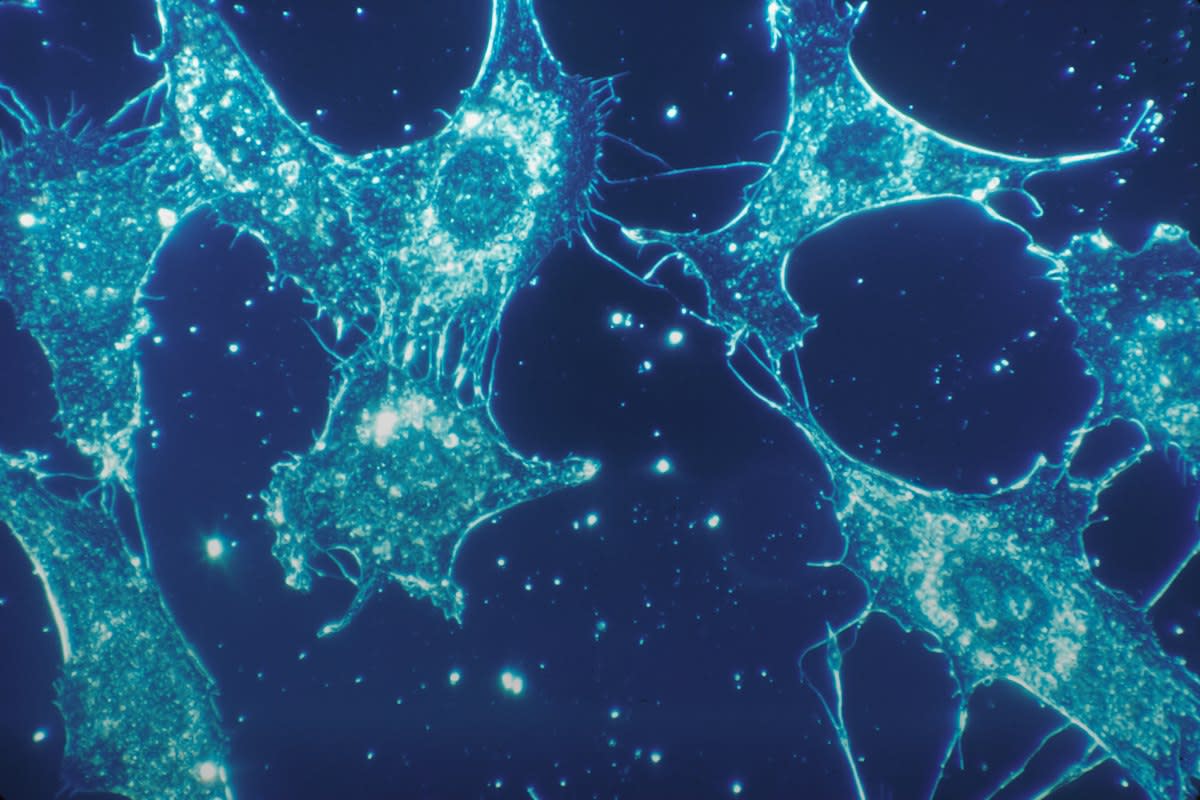
Scaling is the enemy. When you increase the neuronal count by ten times, the heat dissipation and waste removal requirements grow exponentially rather than linearly (Source: Science, 2021). Growth slows down fast.
Why now? Six months ago, the focus was on growing intelligence, but the current trend is optimizing existing biological constraints to prevent cellular death. We have moved to efficiency.
Fact-Check & Accuracy Note
The primary academic debate centers on whether organoids exhibit emergent 'intelligence' or merely complex reflexive signal processing. While some claim cognitive activity, the consensus remains that these are biological circuits without consciousness (Source: Nature, 2023).
Editorial Note
The term 'wetware' is often used interchangeably with 'biocomputing'. In professional settings, it specifically refers to the interface between synthetic electronics and organic neural tissue.
The Path Forward
The goal shifts. Instead of mimicking the human brain in its entirety, the industry is targeting specific, high-efficiency biological kernels for niche calculations. Small wins matter most.
Can we sustain this? The current trajectory suggests that we will not build biological supercomputers, but rather biological co-processors for energy-starved environments. This is the new default.