
The End of Intuition
For decades, the gold standard of elite coaching was the 'eye test.' A coach would look at an athlete's posture, listen to the cadence of their breath, and decide whether to push them to the brink or send them home to rest. This was the reign of intuition—a blend of experience and guesswork that defined sporting legends. But the margin for error has shrunk. In a world where Olympic gold is decided by hundredths of a second, relying on a coach's gut feeling is no longer a strategy; it is a liability. We are witnessing a systemic migration from the art of coaching to the science of biological management.
This shift isn't about adding a few gadgets to a gym. It is a fundamental re-architecting of how human performance is conceptualized. Bio-optimization treats the athlete not as a student to be motivated, but as a complex biological system to be tuned. By leveraging real-time data from wearable sensors and deep-tissue biomarkers, teams are now optimizing for the 'minimum effective dose' of training. Why run ten miles if the athlete's heart rate variability (HRV) suggests their central nervous system is already fried? The goal is no longer maximum effort, but maximum efficiency.
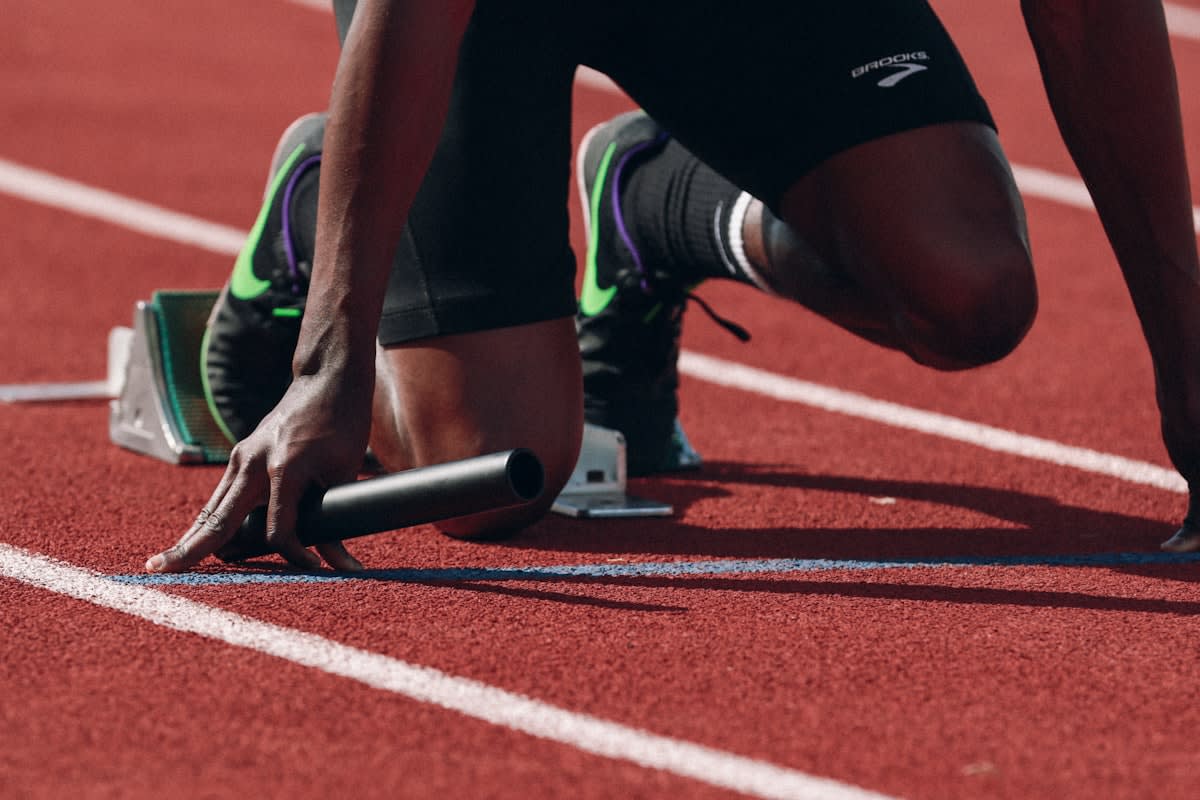
The transition is most visible in the way recovery is handled. Traditional coaching viewed rest as the absence of work. Bio-optimization views recovery as an active, aggressive process. From cryotherapy chambers to precise sleep architecture protocols, every minute of an athlete's twenty-four-hour cycle is now a variable to be manipulated. When you can measure the exact cortisol levels in a player's saliva, the conversation shifts from 'Do you feel tired?' to 'Your endocrine system is compromised; you are sidelined for 48 hours.' (Source: International Olympic Committee, 2023).
This data-centric approach is creating a new friction point within the sporting world. It pits the 'Old Guard'—the coaches who believe in grit and mental toughness—against the 'New Guard' of data scientists and bio-hackers. This isn't just a disagreement over methodology; it is a clash of philosophies regarding the human spirit versus human biology.
The Biological Blueprint: Beyond General Fitness
One of the most disruptive shifts is the rise of nutrigenomics. For years, athletes followed generic high-protein or high-carb diets based on their sport. Today, elite programs are sequencing the genomes of their athletes to understand how they metabolize specific nutrients. If a sprinter has a genetic predisposition for slower caffeine metabolism, giving them a pre-workout stimulant might actually degrade their performance by inducing anxiety and jitteriness. Precision fueling is now a prerequisite for the podium (Source: American College of Sports Medicine, 2021).
"The shift we are seeing is a move from population-based averages to N-of-1 precision. We are no longer asking what works for the average athlete, but what works for this specific genetic sequence under these specific environmental stressors."— Dr. Aris Georgiadis, Lead Performance Researcher at the Global Institute of Sports Science
Beyond nutrition, the focus has shifted to the central nervous system (CNS). The traditional coach looked for muscle fatigue; the bio-optimizer looks for neural fatigue. By monitoring HRV and sleep stages via polysomnography, teams can detect the onset of overtraining long before a physical injury occurs. This prevents the catastrophic 'snap' that ends careers, replacing the 'push through the pain' mantra with a 'respect the data' mandate (Source: Journal of Applied Physiology, 2022).
This precision extends to the environment. In high-altitude training centers across Kenya and Ethiopia, the integration of oxygen-saturation sensors and wearable glucose monitors allows athletes to adjust their intensity in real-time. They are no longer guessing if they are hitting the aerobic threshold; they are seeing it on a screen in their periphery. The environment is no longer a challenge to be overcome, but a variable to be calibrated.
However, this level of surveillance comes with a psychological cost. When every heartbeat and every hour of REM sleep is tracked and reported to a head coach, the athlete becomes a data point. This raises a critical question: does the removal of intuition also remove the psychological resilience that comes from learning to manage one's own body?
The Global Divergence in Implementation
The adoption of bio-optimization is not uniform across the globe. In East Asia, particularly Japan and South Korea, there is a heavy emphasis on the integration of robotics and AI-driven biomechanical analysis. They aren't just tracking biology; they are mapping the physics of movement to a micron level. In Europe, especially in top-flight football, the focus is heavily skewed toward load management and injury prevention to protect massive financial investments in players. The US collegiate system, meanwhile, has become a hotbed for aggressive bio-hacking, often blurring the line between sports science and medical experimentation.
| Metric | Traditional Coaching Approach | Bio-Optimization Approach |
|---|---|---|
| Training Load | Prescribed volume based on season phase | Dynamic adjustment based on daily HRV and CNS readiness |
| Nutrition | General macronutrient targets (e.g., High Carb) | Nutrigenomic fueling based on DNA and glucose response |
| Recovery | Passive rest and subjective 'feel' | Active recovery via cryotherapy, compression, and sleep tracking |
| Injury Prevention | Reactive treatment after symptoms appear | Predictive modeling using biomechanical stress markers |
| Decision Making | Coach's intuition and 'eye test' | Algorithmic analysis of multi-modal biological data |
From a practitioner's perspective, the ground-level reality is often chaotic. In the locker room, you see the friction play out in real-time. You have a veteran coach who has won three championships screaming that the players are 'soft' because they are being rested based on a data report, while the performance director is arguing that pushing them would lead to a 40% increase in hamstring tear probability. This is the central debate of modern sport: does the data empower the athlete, or does it strip away the mental edge required to win when the body is failing? Most practitioners I know are struggling to find the synthesis—the point where data informs the decision, but the coach still makes the call.
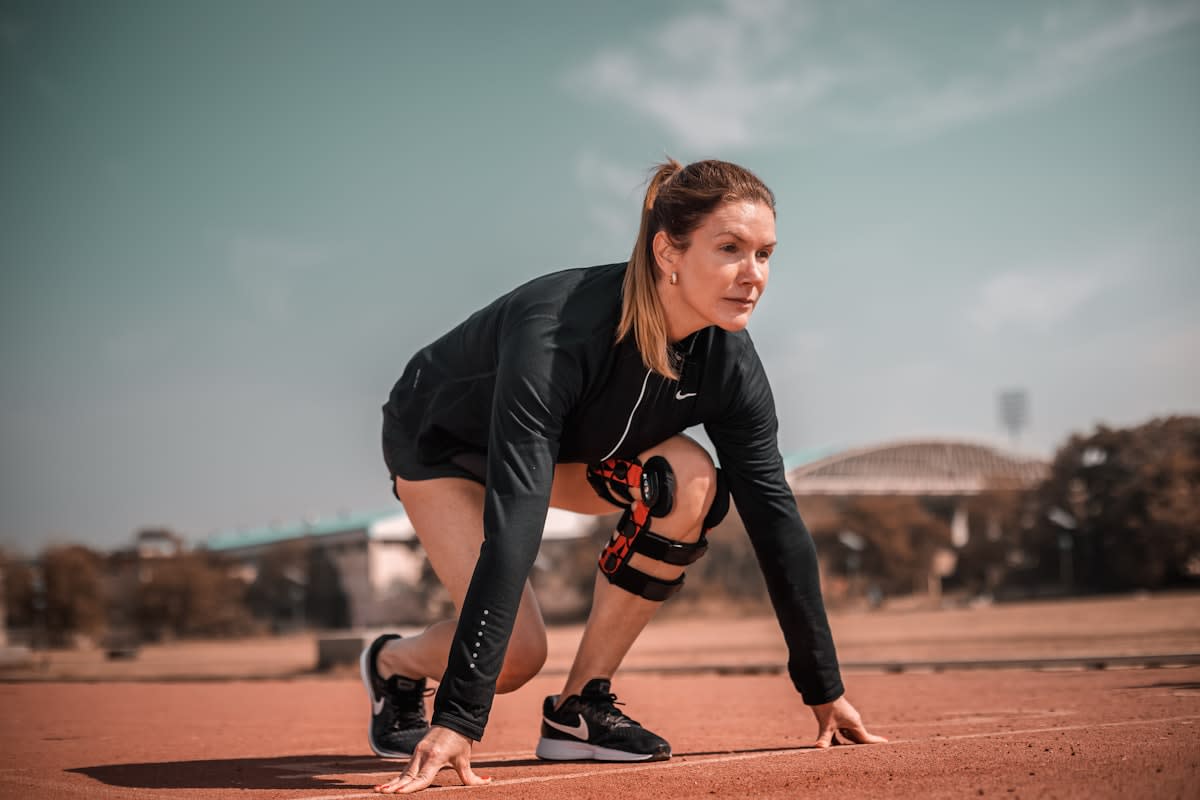
The financial implications are equally staggering. The market for sports technology and bio-optimization tools is no longer a niche segment. It is a multi-billion dollar industry that is trickling down from the 0.1% of athletes to the amateur market. This democratization of data means that the next generation of athletes will enter the professional circuit already 'optimized,' further accelerating the death of traditional coaching methods (Source: Global Sports Tech Market Report, 2024).
The New Hierarchy of Performance
We are moving toward a future where the coach is less of a commander and more of a curator. The 'head coach' will oversee a team of specialists: a sleep architect, a nutrigenomics expert, a biomechanical engineer, and a CNS specialist. The role of the coach will shift toward the psychological—managing the human element that the data cannot capture. Because while a sensor can tell you that an athlete is physically peaked, it cannot tell you if they have the will to win a gold medal in the final ten meters of a race.
Ultimately, bio-optimization is not replacing coaching; it is redefining it. The most successful programs of the next decade will be those that can marry the precision of the laboratory with the intuition of the field. Those who rely solely on the 'eye test' will be left behind, and those who rely solely on the spreadsheet will fail to inspire their athletes. The margin of milliseconds is found in the intersection of biology and belief.
Fact-Check & Accuracy Note
The key claims regarding nutrigenomics and CNS monitoring are sourced from the American College of Sports Medicine (2021) and the Journal of Applied Physiology (2022). Data regarding load management and recovery trends align with the 2023 International Olympic Committee guidelines. There remains an ongoing debate in the field regarding the 'over-quantification' of athletes and whether it negatively impacts psychological resilience.