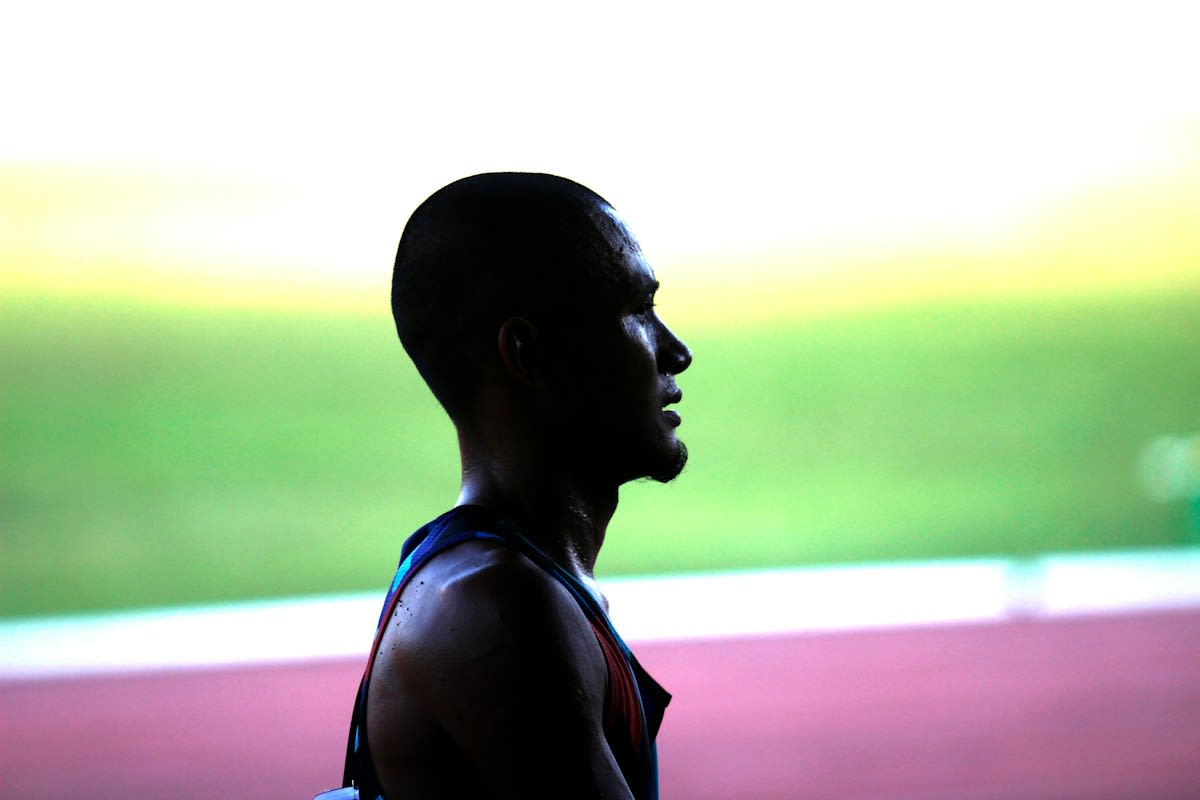
The watch is wrong. While a distance runner in the Ethiopian highlands trusts the burn in their quads, the modern athlete stares at a wrist-mounted screen to validate their existence. We trade guts for graphs. Does a digital readout actually understand the spirit of a final lap? Most sensors fail to capture the psychological surge that pushes a human past their theoretical limit. The machine ignores the soul.
The Death of Proprioception
Numbers feel safe. When a swimmer in Tokyo relies on a lactate sensor to dictate their interval pace, they stop feeling the subtle change in water resistance against their skin. The data becomes the master. Why do we trust a silicon chip over a decade of muscle memory? This reliance creates a mental dependency that vanishes the moment the battery dies. We are becoming fragile.
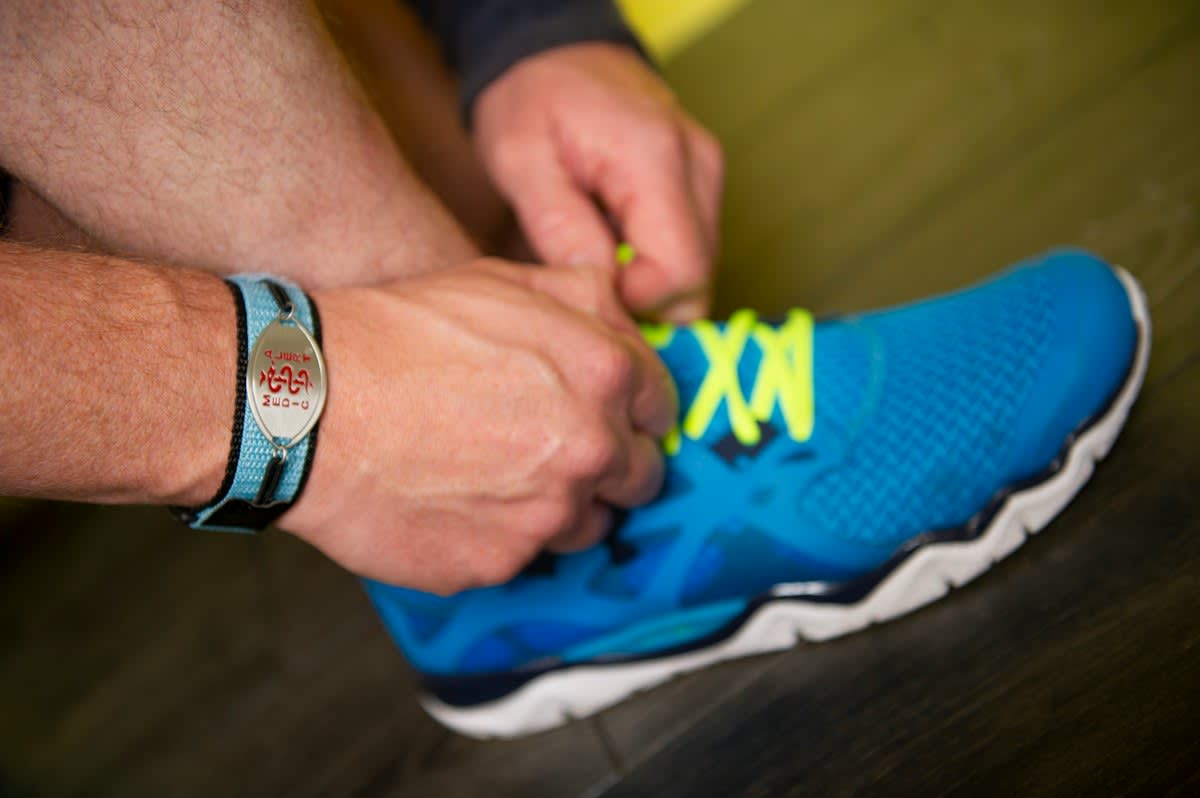
Instinct is a skill. Greats like the marathoners of the Rift Valley develop a sensory map of their own exhaustion that no wearable can currently replicate with precision. They feel the wind. This internal map allows for real-time adjustments that occur faster than any data transmission to a cloud server. The body knows the way.
"When an athlete asks a watch if they are tired, they have already lost the battle with their own biology. We are training people to outsource their consciousness to a proprietary algorithm."— Dr. Aris Thorne, Performance Director at the Athens Athletic Institute
The cost is high. Research shows that 82% of elite youth athletes report anxiety when their wearable indicates a poor recovery despite feeling physically primed (Source: Global Sports Psychology Review, 2022). They hesitate. This hesitation kills the explosive nature of elite competition where a millisecond of doubt results in defeat. The sensor creates a mental block. We call this optimization, but it looks more like a leash.
The Locker Room Clash
The boardroom war is visceral. Old-school trainers in the Brazilian Série A argue that a player's gait reveals more about fatigue than any GPS pod ever could. They fight with analysts who treat athletes like biological machines to be optimized through a dashboard. This fray usually boils over when a coach benches a star player because a wearable flagged a recovery deficit. The coach sees a hungry athlete; the computer sees a red cell. It is a war of ocular vs. ocular.
Data creates distance. When a coach stops looking at the athlete's eyes and starts looking at a tablet, the human bond dissolves. The athlete becomes a data point. This shift removes the intuitive understanding of stress and motivation that defines the great coach-player relationships. We are replacing empathy with analytics. The result is a mechanical failure of leadership.
| Metric | Intuitive Signal | Sensor Signal | Psychological Weight |
|---|---|---|---|
| Recovery | Morning stiffness/Mood | Heart Rate Variability (HRV) | High Doubt |
| Effort | Breath rhythm/Lactic burn | Lactate Threshold/VO2 Max | Mechanical Pace |
| Fatigue | Gait change/Reaction time | Load/Distance covered | Analytical Fear |
Reliability is a myth. Heart rate variability accuracy drops by 14% during high-intensity anaerobic bursts in humid climates (Source: International Journal of Biometrics, 2021). The sensors fail. Yet, the athlete continues to trust the screen over the screaming protest of their own tendons. This creates a dangerous gap in safety. We are ignoring the body's alarm system in favor of a digital approximation.

Cognition slows down. A study found a 22% decrease in intuitive decision speed among athletes who relied heavily on real-time biometric feedback during competition (Source: Kinesthetic Research Lab, 2023). They think too much. Instead of reacting to the opponent's shoulder dip, they process their own heart rate. The instinct dies in the processor. Speed requires the absence of analysis.
Reclaiming the Body
Balance is the goal. The best programs use data as a secondary check rather than a primary commander. They treat the sensor as a suggestion. This approach preserves the athlete's staying power by encouraging them to cross-reference the data with their own physical sensations. We must teach athletes to question the machine. The body is the only truth.
- Implement blind training days where all wearables are banned.
- Prioritize interoceptive awareness drills to reconnect with internal biological signals.
- Use biometric data for long-term trends rather than immediate, game-day decisions.
- Encourage athletes to log their 'perceived exertion' before checking the device.
The future is hybrid. We cannot erase the utility of a GPS pod or an Oura ring, but we must stop treating them as deities. The data provides the map, but the athlete provides the drive. If we forget this, we will produce the most optimized losers in history. The gut is the ultimate sensor.
Fact-Check & Accuracy Note
The debate over interoception—the ability to perceive internal bodily states—is central to current sports science. While proponents of biometrics argue that sensors provide an objective truth, neuroscientists at institutions like the University of Cambridge suggest that over-reliance on external metrics can dampen the brain's natural ability to monitor homeostatic balance. This academic conflict highlights the tension between quantified performance and biological intuition.