
For decades, the blueprint for sports success was simple: acquire the most raw talent and apply maximum pressure. We believed that elite performance was a byproduct of attrition. If you could survive the grind, you were worthy of the podium. But the game has changed. In the current high-performance climate, the most successful teams are realizing that raw talent is a commodity, while cognitive empathy—the ability to understand and simulate another person's mental state—is the actual competitive advantage.
Why the shift? Because talent without psychological alignment is a liability. We see this play out in real-time when systems clash with individual brilliance. Take the current friction in US college football, where the SEC is fighting a legal battle to ban professional athletes from returning to the college ranks (Source: CBS Sports, 2026). Even when a team like LSU attempts to integrate ex-NFL talent like Dae'Quan Wright and Zxavian Harris, the systemic resistance from the league creates a volatility that can undermine the very talent they sought to acquire. Talent is the engine, but cognitive empathy is the oil that prevents the entire machine from seizing up under pressure.
Prerequisites for a Cognitive-First Culture
You cannot simply announce a pivot to empathy and expect results. It requires a foundational shift in how leadership views the relationship between the coach and the athlete. Before implementing the steps in this guide, your organization must accept a hard truth: the traditional hierarchy of the 'untouchable coach' is dead. To build a team that prioritizes cognitive empathy, you need a leadership layer willing to trade absolute authority for absolute trust.
- A commitment to structural, not tokenistic, wellbeing support.
- A leadership team that values psychological safety as a performance metric.
- The willingness to prioritize athlete mental health over immediate, short-term gains.
- A framework for mentoring that flows both ways—from veteran to rookie and coach to athlete.
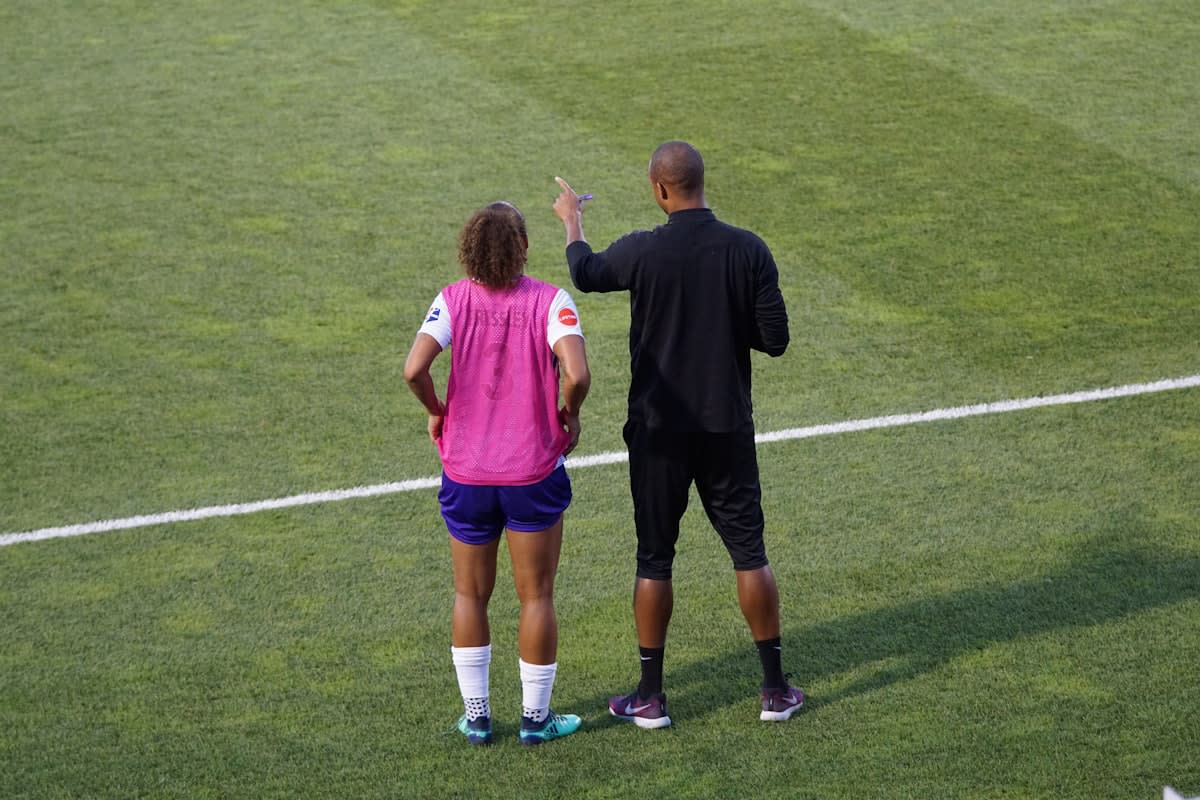
The Implementation Framework: Moving from Talent to Empathy
Implementing cognitive empathy isn't about being 'nice.' It's about precision. It's the ability to accurately read an athlete's mental state and adjust the training load, the communication style, or the tactical approach to maximize their specific output. This isn't a soft skill; it's a performance multiplier. The 'Winning Well' research program in Australia provides a clear roadmap for this transition, having engaged with athletes, CEOs, and performance directors across the high-performance system (Source: Griffith News, 2026).
- Audit your support systems. Move away from tokenistic gestures—like a single mental health day per year—and toward structural support. This means integrating wellbeing into the daily training schedule, not treating it as an optional add-on.
- Establish psychological safety. Create an environment where athletes can report burnout or mental fatigue without fear of losing their spot on the roster. When athletes feel safe, they take the calculated risks necessary for elite growth.
- Implement a dual-mentoring system. High-performance coaches often prioritize athlete wellbeing over their own, which leads to burnout at the top (Source: Griffith News, 2026). Establish mentoring loops where coaches also have a safe space to unload and strategize.
- Set rigid boundaries around work. The 'always-on' culture is the enemy of cognitive empathy. Define clear boundaries for communication and recovery to ensure that the mental energy required for empathy isn't depleted by chronic stress.
- Train for cognitive adaptability. Use data to identify when an athlete's performance dip is physical versus psychological. Apply cognitive empathy to tailor the intervention—sometimes the answer is more rest, not more discipline.
"One of the most significant findings was that coaches consistently prioritised athletes’ wellbeing ahead of their own... highlighting a strong demand for psychological safety, mentoring, clear boundaries around work, and structural rather than tokenistic support."— Coach Performance Wellbeing Research Program, University of the Sunshine Coast/Griffith University
This shift toward structural support is what separates the sustainable winners from the one-hit wonders. When a team relies solely on raw talent, they are vulnerable to the first major injury or the first sign of burnout. When they rely on a system of cognitive empathy, they build a resilient collective that can navigate the psychological volatility of a long season.
The Ground-Level Reality: The Friction of Change
Let's be honest about the 'ugly' side of this implementation. In the locker room, this transition often looks like a civil war. You will have veteran coaches who view psychological safety as 'coddling' and raw talent as the only currency that matters. They will argue that pressure is the only way to forge a champion. I have sat in those meetings. The friction is real, and it is often loud. The debate usually centers on whether empathy weakens the competitive edge or sharpens it.
The reality is that the 'hard-nosed' approach creates a fragile system. When you prioritize raw talent over empathy, you create a culture of silence. Athletes hide injuries; they mask burnout; they stop communicating. The resulting crash is always more expensive than the cost of implementing a wellbeing framework. The most successful practitioners I know have stopped arguing about whether empathy is 'soft' and started treating it as a tactical requirement for longevity.
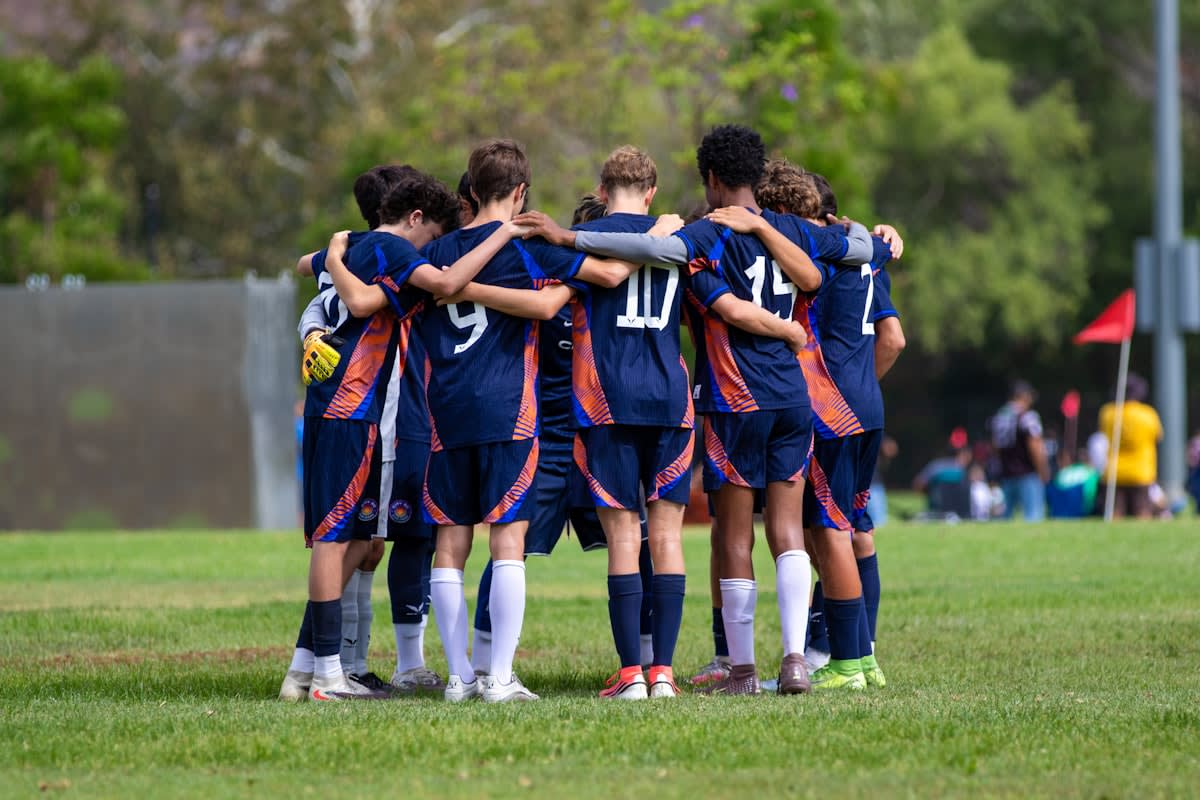
Common Pitfalls in Implementation
Many organizations fail because they attempt a 'surface-level' pivot. They hire a wellbeing consultant but keep the same toxic KPIs. They offer a meditation app but still expect athletes to answer emails at 2 AM. This is tokenism, and it actually erodes trust more than doing nothing at all. If the athletes perceive a gap between the rhetoric of empathy and the reality of the workload, they will check out mentally.
- The 'Wellness Wash': Using wellbeing language to mask an exploitative culture.
- Ignoring Coach Burnout: Forgetting that the coach cannot provide cognitive empathy if they are mentally depleted themselves.
- Over-reliance on Data: Using biometric data to dictate wellbeing without actually talking to the human behind the numbers.
- The Talent Trap: Assuming that a superstar player is immune to the need for psychological safety.
To avoid these traps, you must align your incentives. If a coach is only judged by wins and losses, they will always revert to the 'raw talent and pressure' model. You must reward the creation of a sustainable culture. When wellbeing becomes a key performance indicator (KPI) for the coaching staff, the implementation of cognitive empathy becomes a priority rather than a chore.
Fact-Check & Accuracy Note
Key claims regarding coach wellbeing and the demand for structural support are sourced from the Coach Performance Wellbeing Research Program led by the University of the Sunshine Coast and Griffith University (Source: Griffith News, 2026). The conflict regarding the return of professional athletes to college football is sourced from CBS Sports (Source: CBS Sports, 2026). The debate regarding 'tokenistic' versus 'structural' support remains an ongoing discussion among high-performance practitioners globally.