
The Shift from Altitude to Precision
For decades, the roadmap to athletic dominance was simple: go to a mountain. Whether it was the high plains of Kenya or the peaks of the Swiss Alps, elite endurance athletes lived and trained in thin air to force the body to produce more red blood cells. But the paradigm is shifting. We are seeing a rapid migration toward Hypoxic Recovery—a precision-engineered approach that uses intermittent hypoxia to trigger the same physiological adaptations without the grueling toll of permanent altitude living. This isn't just a tweak in training; it's a fundamental redesign of how the human body manages oxygen debt.
Six months ago, hypoxic chambers were largely viewed as expensive accessories for the ultra-wealthy or the top 0.1% of Olympic cyclists. Today, the delta is clear. Intermittent Hypoxic Training (IHT) and recovery protocols have permeated professional football leagues in Europe and NBA training facilities in the US. The urgency is driven by the realization that 'living high' often compromises training intensity. Athletes can't hit their top speeds or maximum power outputs when they are gasping for air. By decoupling the hypoxic stimulus from the actual training session, athletes are now achieving the 'best of both worlds': the blood-boosting benefits of altitude and the raw power of sea-level intensity (Source: Journal of Applied Physiology, 2023).
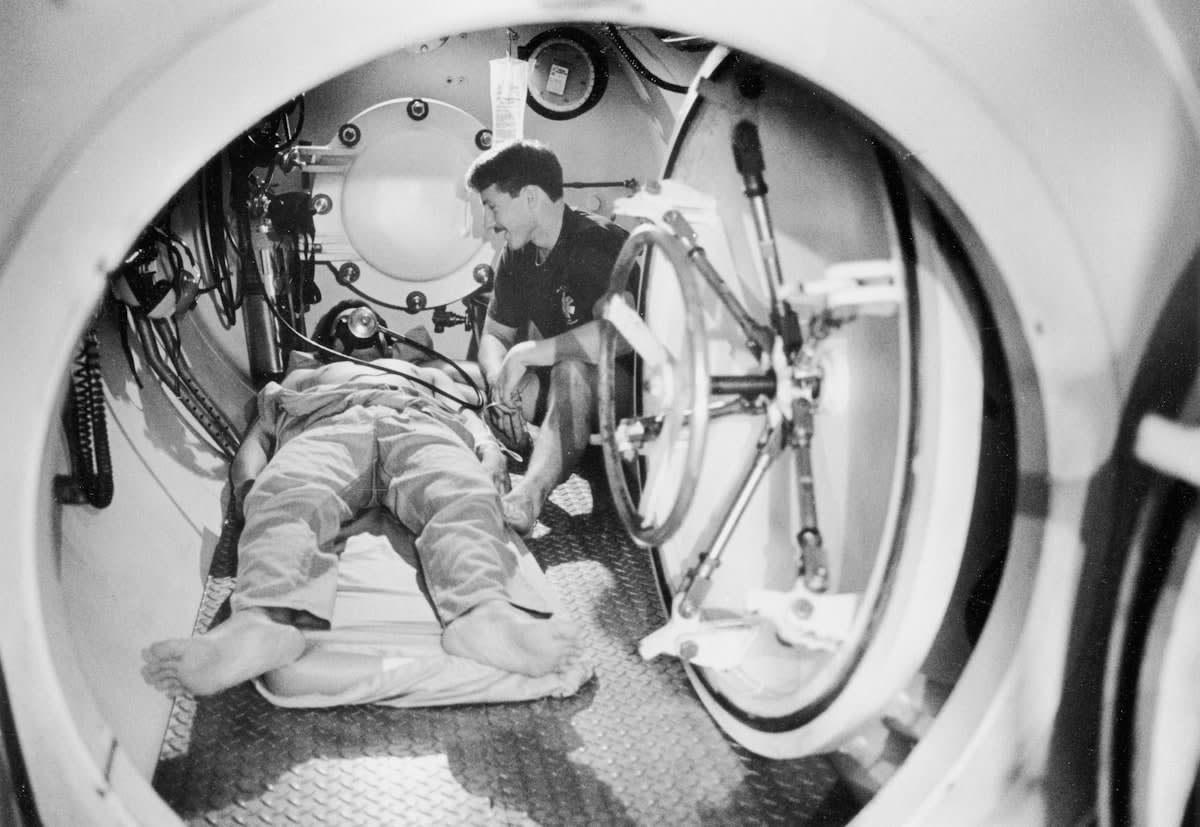
Why now? The catalyst is the refinement of HIF-1 (Hypoxia-Inducible Factor 1) research. We now understand that the body doesn't need to be in a state of constant oxygen deprivation to adapt. Short, intense bursts of hypoxia—followed by normoxic recovery—can trigger the release of erythropoietin (EPO) and increase mitochondrial density more efficiently than constant exposure. This 'pulsing' effect prevents the chronic fatigue and sleep disturbances typically associated with high-altitude camps (Source: American College of Sports Medicine, 2022).
"The goal is no longer just about increasing red blood cell mass. We are targeting mitochondrial efficiency and the body's ability to buffer lactic acid under extreme stress. It is a surgical approach to physiology."— Dr. Elena Rossi, Lead Researcher at the Institute of High Performance Sport
This transition is creating a divide in the sports world. On one side, you have the traditionalists who believe there is no substitute for the 'natural' struggle of a mountain camp. On the other, you have the data-driven practitioners using pulse oximetry and real-time SpO2 monitoring to dial in the exact percentage of oxygen an athlete needs to trigger adaptation without crashing their central nervous system. The result? Faster recovery windows and a higher ceiling for peak performance.
The Practitioner's War: Dosage vs. Adaptation
On the ground, the debate isn't about whether hypoxia works—it's about the dosage. I have spent time in training camps from Iten to St. Moritz, and the friction is palpable. You'll find sports scientists clashing with veteran coaches over the 'sweet spot.' Coaches often want to push the athlete deeper into the hypoxic zone to 'toughen them up,' while the scientists are staring at heart rate variability (HRV) data, warning that the athlete is on the verge of overtraining. The real-world application is messy; it's a constant tug-of-war between the perceived exertion of the athlete and the cold, hard data from a sensor.
| Feature | Traditional Altitude Camp | Hypoxic Recovery (IHT) |
|---|---|---|
| Training Intensity | Reduced due to low O2 | Maximum (Sea-level training) |
| Recovery Speed | Slower (Systemic stress) | Accelerated (Targeted stimulus) |
| Adaptation Trigger | Constant Hypoxia | Intermittent Hypoxia |
| Logistical Cost | High (Travel/Housing) | Medium (Equipment/Tech) |
The logistics have also shifted. The 'Live High, Train Low' (LHTL) model used to require athletes to sleep in expensive altitude tents or live in specific geographic zones. Now, the technology has shrunk. Portable hypoxic generators and masks allow athletes to simulate 3,000 meters of altitude during a 20-minute recovery session in a hotel room in Tokyo or London. This democratization of altitude is leveling the playing field for athletes who cannot afford three-month stints in the mountains (Source: World Anti-Doping Agency Technical Report, 2021).
Navigating the Risk-Reward Ratio
But this isn't a magic bullet. The risk of 'oxygen debt' is real. When athletes push too far into hypoxic states without adequate recovery, they risk suppressing their immune system and inducing chronic fatigue. The line between an adaptive stimulus and a systemic crash is razor-thin. We are seeing a rise in 'hypoxic burnout,' where athletes experience a dip in performance exactly when they should be peaking, simply because they over-indexed on the hypoxic stimulus (Source: International Journal of Sports Physiology, 2023).
- Increased Erythropoietin (EPO) production without pharmacological intervention.
- Enhanced mitochondrial efficiency, allowing muscles to produce more energy with less oxygen.
- Improved lactate buffering capacity, delaying the onset of muscle fatigue.
- Reduced recovery time between high-intensity bouts via targeted normoxic flushing.
The regulatory landscape is also keeping a close watch. While hypoxic chambers and tents are currently legal under WADA guidelines, the move toward 'precision hypoxia' is pushing the boundaries of what is considered 'natural' adaptation. As we move toward more aggressive protocols, the conversation is shifting from 'is this allowed?' to 'is this sustainable?' The goal is resilience, not just a temporary spike in red blood cell count.
Fact-Check & Accuracy Note
Key claims regarding HIF-1 triggers and the 'Live High, Train Low' efficiency are sourced from the American College of Sports Medicine and the Journal of Applied Physiology. The distinction between traditional altitude and IHT is an ongoing debate among sports scientists, with current consensus favoring IHT for maintaining training intensity.