
Do we actually need more oxygen to perform? Most believe the answer is yes. They are wrong. Peak performance often hides in the deficit. We have spent decades treating oxygen as a fuel to be maximized, yet the most profound physiological adaptations occur when the body is forced to survive on almost nothing. This is not about living on a mountain. This is about the surgical application of oxygen deprivation.
The Core Mechanism: Acute Intermittent Hypoxia (AIH)
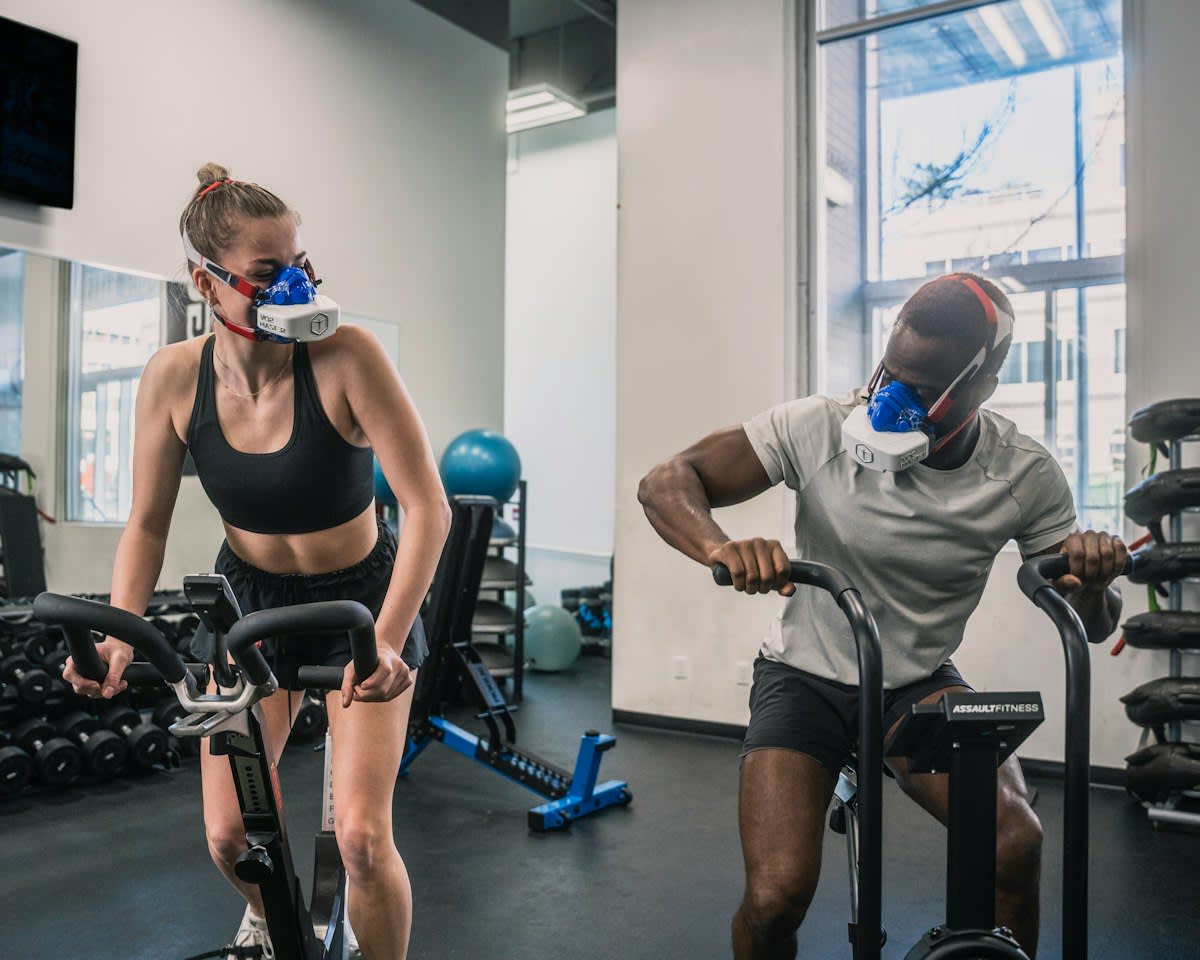
Acute Intermittent Hypoxia, or AIH, differs from traditional altitude training. It is a series of short, intense bouts of low oxygen alternating with periods of normal air. This isn't a slow climb. It is a shock. By cycling the fraction of inspired oxygen (FiO2), practitioners can target specific arterial oxygen saturation (SpO2) levels to trigger supraspinal changes. Recent data suggests this approach can modulate fatigue and influence functional motor outcomes (Source: medRxiv, 2026).
Prerequisites: The Hardware of Deprivation
You cannot guess your way through AIH. Guessing leads to blackout or uselessness. You need a closed-loop system. The goal is to move the body into a state of controlled stress without triggering a systemic crash. Precision requires specific tools that can hold a steady FiO2 regardless of the athlete's respiratory rate.
- Hypoxia Generator: A device capable of precise FiO2 modulation, such as the Hyp-123 by Hypoxico Inc (Source: medRxiv, 2026).
- Continuous Oxygen Monitor: A medical-grade pulse oximeter to track SpO2 in real-time.
- Normoxic Air Supply: Access to standard room air (approximately 21% FiO2) for recovery intervals.
- Clinical Oversight: A protocol approved by an Institutional Review Board (IRB) to ensure subject safety (Source: medRxiv, 2026).
Step-by-Step Implementation Protocol
Implementation is a game of thresholds. If you go too deep, you risk cognitive impairment. Too shallow, and you get no result. The process must be individualized. What works for a marathoner in Ethiopia will fail for a sprinter in Tokyo.
- Establish the Normoxic Baseline: Begin with room air at 21% FiO2 to calibrate the oxygen monitor and stabilize the subject's resting SpO2.
- Initiate the Hypoxic Bout: Slowly decrease the FiO2 using the generator to drive the arterial oxygen saturation downward.
- Target the Hypoxic Zone: Maintain the bout until the SpO2 reaches a target range of 84-88% (Source: medRxiv, 2026). This specific window is where therapeutic effects are observed.
- Execute the Recovery Phase: Switch immediately back to normoxic room air (21% FiO2).
- Verify Recovery Threshold: Ensure the normoxic interval lasts at least 60 seconds, or until the SpO2 returns to at least 92% (Source: medRxiv, 2026).
- Repeat Cycles: Alternate these bouts according to the prescribed session length to modulate supraspinal responses.
The timing of the recovery is where most people fail. They rush it. They see the SpO2 climb a few points and jump back into the hypoxic bout. This is a mistake. The 60-second minimum ensures the system has actually reset. Without this gap, the stimulus becomes a blur of low oxygen rather than a series of distinct, provocative shocks to the system.
The Practitioner's Reality: Invisible Frictions
In the clinic, there is a constant war between the data and the subject's feeling. Athletes often mistake the post-AIH fatigue for 'hard work' or growth. It isn't. In clinical settings, participants explicitly report feeling tired after these sessions (Source: medRxiv, 2026). The friction arises when coaches try to stack heavy lifting sessions immediately after AIH. It is a recipe for disaster. You are not training strength here; you are modulating the neural drive. Trying to hit a PR while the brain is recovering from an 84% SpO2 dip is a collision course with injury.
"While fatigue was not measured under the present experimental design, it is likely that our experimental protocol modulated fatigue... participants reported feeling tired."— Researchers at Northwestern University / Shirley Ryan AbilityLab, 2026
There is also the dispute over 'optimal' saturation. Some practitioners push for 80%, believing deeper is better. The data suggests 84-88% is the sweet spot for functional motor outcome assessments without causing excessive distress (Source: medRxiv, 2026). Pushing deeper doesn't necessarily increase the gain; it just increases the risk of a syncopal episode.
Analyzing the Data: SpO2 Thresholds
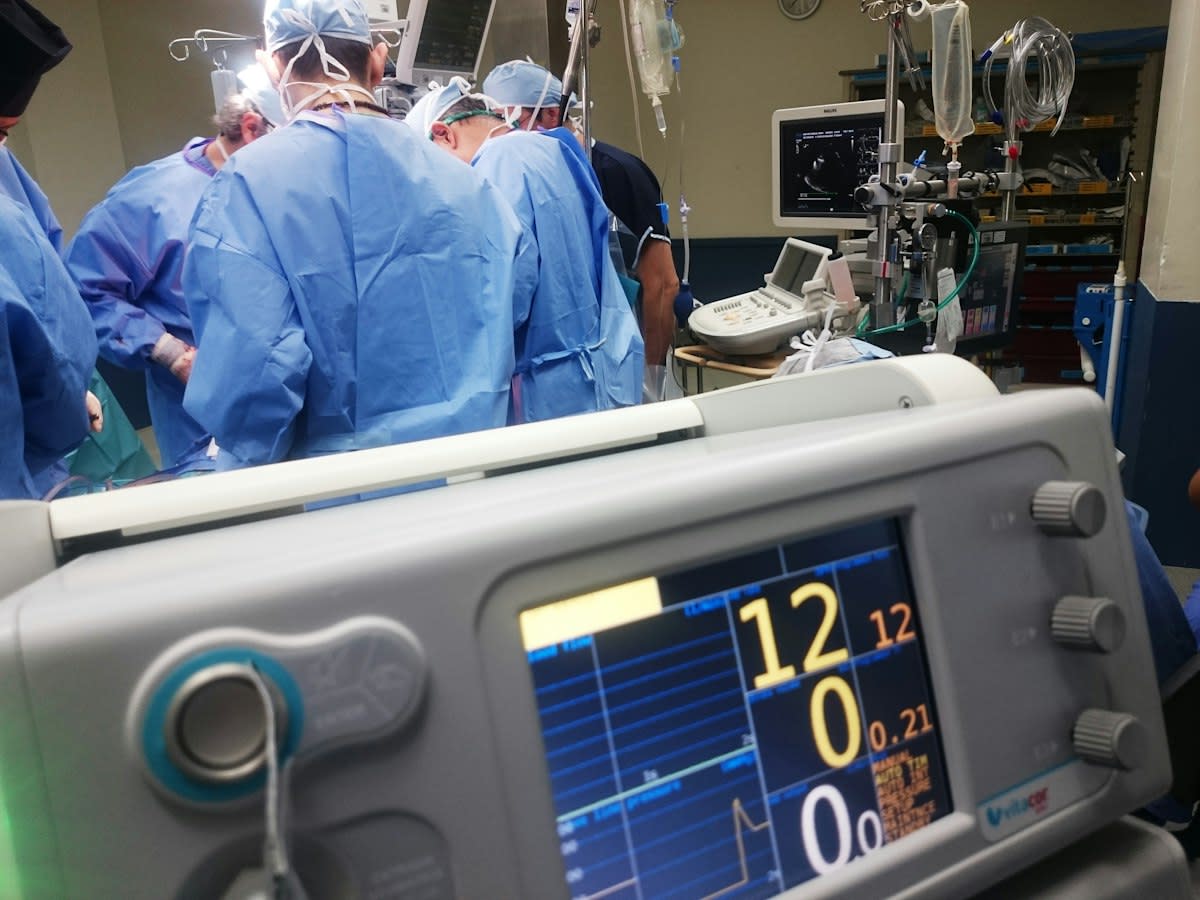
The precision of the 84-88% window cannot be overstated. This range represents a state of significant hypoxia that is still manageable for the human body. When the SpO2 drops to this level, the body initiates a cascade of adaptations. The recovery to 92% ensures that the brain is not starved of oxygen for too long, preventing the hollow feeling of total exhaustion that kills subsequent training sessions.
| Phase | Oxygen Level (FiO2) | Target SpO2 | Duration/Condition |
|---|---|---|---|
| Baseline | 21% | 95-100% | Pre-session calibration |
| Hypoxic Bout | Variable (Low) | 84-88% | Individualized duration |
| Recovery | 21% | 92%+ | Minimum 60 seconds |
This protocol was tested on individuals with multiple sclerosis to alter supraspinal responses (Source: medRxiv, 2026). If these thresholds can modulate motor outcomes in a neurologically compromised population, the implications for healthy athletes are massive. It suggests that AIH can be used as a dial to tune the central nervous system's grip on muscle fiber recruitment.
Fact-Check & Accuracy Note
This guide is based on a preprint study from medRxiv (published Nov 2, 2026) conducted at Northwestern University and the Shirley Ryan AbilityLab. The research specifically looked at AIH for Multiple Sclerosis patients. While the physiological markers (SpO2 84-88%) are verifiable, the application to 'super-athletes' is an extrapolation of these clinical findings. Academic debate continues regarding the long-term safety of repeated acute hypoxia in healthy populations.
Common Pitfalls
The most common error is the 'More is More' fallacy. Practitioners often attempt to lengthen the hypoxic bout to 5 or 10 minutes. This is a mistake. The power of AIH lies in the intermittency. By staying too long in the 84-88% zone, you move from a training stimulus to a state of systemic depletion. You lose the 'shock' and instead create a weight of fatigue that lingers for days.
Another failure is ignoring the individual. The study notes that hypoxic bout durations were determined individually in each session (Source: medRxiv, 2026). You cannot use a stopwatch to determine when to stop a bout. You must use the oximeter. Some athletes hit 84% in thirty seconds; others take three minutes. Relying on a clock rather than the SpO2 reading is a fast track to inefficiency.