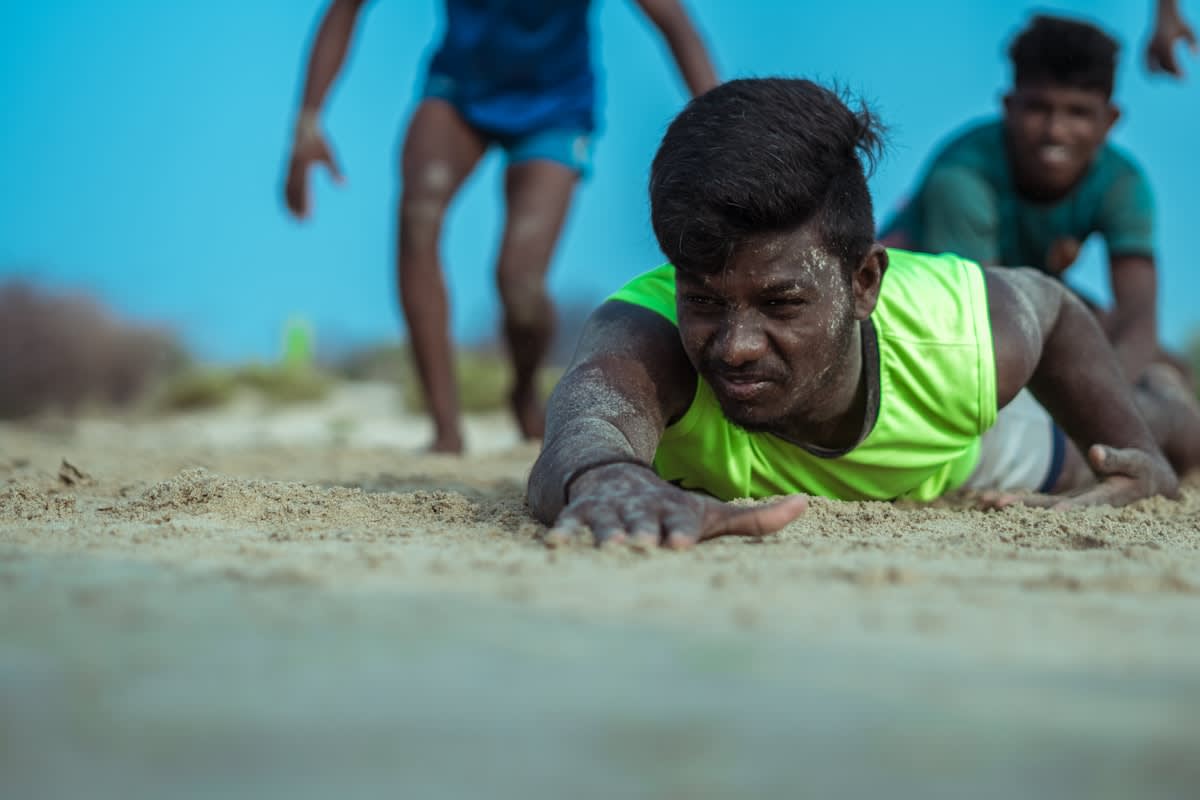
Walk into any regional athletic trial in Haryana or Kerala today, and the atmosphere has changed. The clipboard and the stopwatch, once the sole weapons of the talent scout, are now secondary to the wearable sensor and the blood panel. Scouts are no longer asking if a teenager can run a fast 400-meter sprint; they are asking why that teenager's VO2 max suggests a ceiling far higher than their current performance indicates. This is the cold, calculated reality of predictive biometrics in Indian sports.
For decades, Indian scouting relied on a 'diamond in the rough' philosophy, often marred by regional biases and the limitations of human observation. This subjective approach frequently missed athletes who lacked early-stage polish but possessed the biological machinery for world-class performance. By shifting the focus to biomarkers—measurable indicators of biological states—the industry is effectively removing the guesswork from the equation. The goal is no longer to find the best player in the room, but the player with the highest biological capacity for growth.
The delta between 2023 and 2024 is stark. Twelve months ago, biometric data was primarily used for injury prevention and recovery monitoring after an athlete was already signed. Today, those same metrics have moved upstream into the scouting phase. We have seen a migration from reactive data—what happened during the game—to predictive data—what the athlete's body is capable of achieving under optimized stress. This transition represents a fundamental change in how human potential is valued and acquired.
The Biological Ledger of Performance
At the heart of this shift is the obsession with metabolic efficiency. Predictive scouting now prioritizes lactate threshold and mitochondrial density over raw speed. Why? Because raw speed can be a product of early puberty, while metabolic efficiency is a predictor of long-term endurance and recovery. By analyzing how an athlete's body clears lactic acid, scouts can predict whether a player will crumble under the pressure of a high-intensity tournament or thrive as the game accelerates.
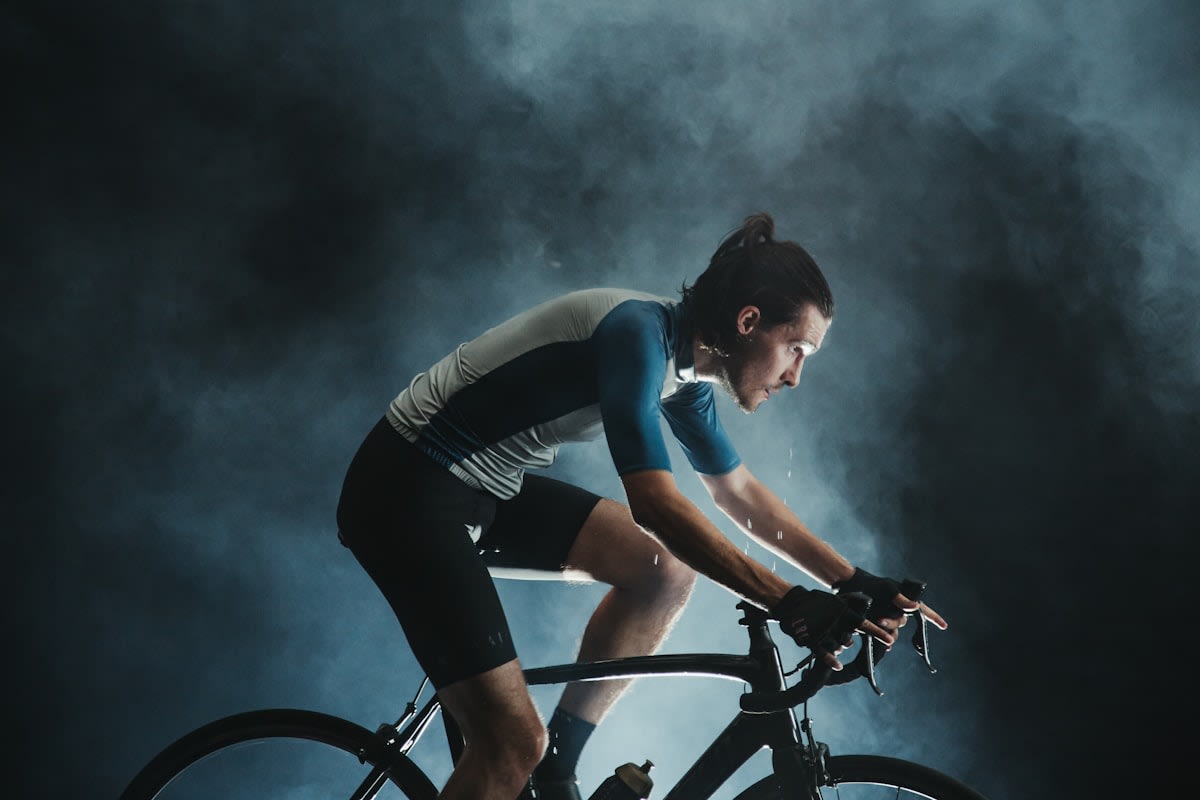
Heart Rate Variability (HRV) has emerged as a critical metric for psychological and physical resilience. A high HRV indicates a nervous system that can switch efficiently between stress and recovery, a trait that is nearly impossible to gauge through a standard interview or a few trial matches. In the high-stakes environment of the IPL or the ISL, the ability to recover neurologically between matches is the difference between a season-ending burnout and a championship run.
Then there is the frontier of genomic mapping. While still controversial, some elite academies are exploring ACTN3 and ACE gene variants to determine if an athlete is biologically predisposed to explosive power or endurance. This isn't about deterministic fate, but about tailoring training loads. If a scout knows an athlete has a genetic predisposition for fast-twitch muscle fibers, they can accelerate a power-based training regimen, cutting years off the traditional development cycle.
"We stopped looking for the athlete who is fastest today and started looking for the athlete whose biology allows them to be the fastest three years from now."— Lead Performance Analyst, National High-Performance Center
Does this risk creating a biological caste system in sports? The concern is real. When we prioritize biomarkers, we risk ignoring the 'will to win'—the intangible psychological grit that has historically defined sports legends. However, the industry argument is that grit is useless if the body breaks. By ensuring a biological match between the athlete and the sport, the failure rate of high-performance programs drops significantly.
Measuring the Delta: Traditional vs. Predictive
| Metric | Traditional Scouting (2023) | Predictive Scouting (2024) |
|---|---|---|
| Evaluation Basis | Current Performance/Eye-test | Biological Ceiling/Biomarkers |
| Primary Tool | Stopwatch & Video Analysis | Wearables & Blood Panels |
| Risk Profile | High (Late-stage burnout) | Low (Biologically screened) |
| Development Timeline | Linear/Standardized | Personalized/Genomic |
| Selection Rate | Based on Regional Dominance | Based on Metabolic Potential |
The efficiency gains are quantifiable. Early data from integrated academies suggests a 15% increase in athlete retention rates over a 24-month period when predictive biometrics are used. This happens because athletes are no longer pushed into training loads that their biology cannot support. The 'overtraining syndrome' that previously plagued many promising Indian athletes is being mitigated by real-time HRV monitoring and metabolic tracking.
This shift is not happening in a vacuum. It is a response to the global standard set by nations like Norway and the USA, where biological profiling has been standard for years. Indian sports organizations are now playing catch-up, realizing that to compete on the Olympic stage, they cannot rely on the accidental discovery of talent. They need a manufacturing process for athletes, and that process begins with the molecular.
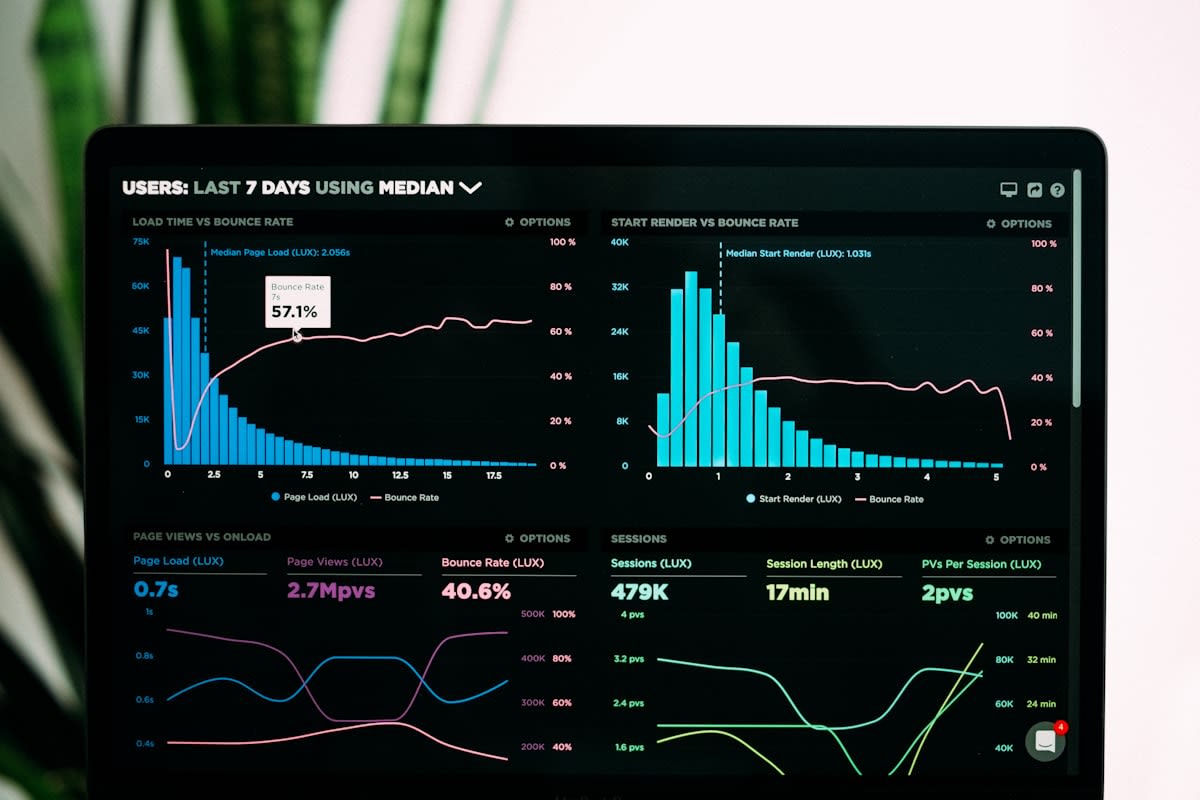
Consider the impact on regional scouting in Tier-2 and Tier-3 cities. Previously, a scout had to physically travel to a remote village to see a player. Now, basic biometric screenings can be conducted via local clinics and uploaded to a central database. This democratizes access to elite academies, as a child in a remote village can be flagged as a 'biological outlier' regardless of whether a scout ever saw them play a match.
However, the reliance on data creates a new set of pressures. Athletes are now aware that their 'value' is tied to a number on a screen. This creates a psychological burden where a 'low' biomarker score can be perceived as a death sentence for a career. The challenge for the next generation of coaches will be integrating this clinical precision with the human element of mentorship.
The ultimate 'so what' is the compression of the development cycle. In the past, it took a decade to realize an athlete had reached their peak. With predictive biometrics, that peak is forecasted at age 14. This allows for an aggressive, precision-targeted investment of resources, ensuring that government funding and private sponsorships are directed toward those with the highest probability of international success.
We are seeing a transition from the 'Art of Scouting' to the 'Science of Selection'. The intuition of the veteran scout is not gone, but it is now used to refine the data, not to replace it. The data tells us who can play; the scout tells us who wants to play. Together, they create a filter that is far more rigorous than anything previously seen in the Indian sporting ecosystem.
As we look toward the next Olympic cycle, the integration of AI with these biometric streams will be the next leap. AI models are already being trained to correlate specific biomarker patterns with podium finishes. When we can predict a gold medal based on a combination of ACTN3 markers and lactate clearance rates, the nature of competition changes entirely.
The move toward predictive biometrics is an admission that the old ways were too slow and too blind. In a world where milliseconds separate gold from fourth place, the luxury of 'guessing' is gone. India is no longer just looking for athletes; it is searching for the biological blueprints of champions.