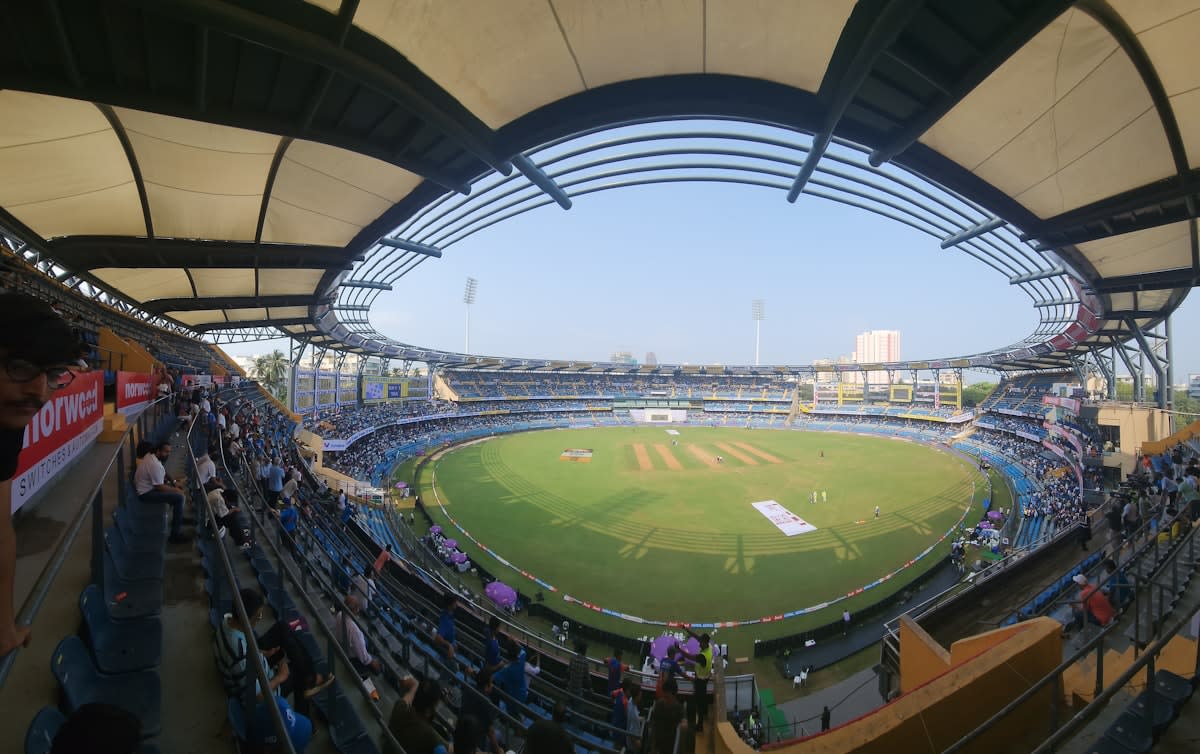
Cricket was once a colonial export, a tool used by the British Empire to instill Victorian values of discipline and fair play across the subcontinent. Today, the flow of power has reversed. The Indian Premier League (IPL) is not merely a tournament; it is a financial engine that has effectively decapitated the old guard of the Marylebone Cricket Club (MCC) and the International Cricket Council (ICC). By commodifying the game into a high-octane, franchise-based spectacle, India has moved from being a participant in the global game to being its primary landlord. This is not about sportsmanship; it is about the strategic acquisition of the game's infrastructure to ensure that no major decision is made without a nod from Mumbai.
The Financial Stranglehold
The sheer scale of IPL capital renders other national boards irrelevant. When the media rights for the 2023-2027 cycle were sold for approximately $6.2 billion, the IPL became one of the most valuable sports leagues in the world on a per-match basis. This capital infusion does not just stay within the league; it provides the Board of Control for Cricket in India (BCCI) with an unprecedented war chest. While boards in the West Indies or Zimbabwe struggle to maintain basic facilities, the BCCI can dictate terms to the ICC, leveraging its status as the primary revenue generator. Why would the ICC resist the demands of the entity that provides the lion's share of its funding?
| Metric | Traditional Model (Pre-2008) | IPL-Driven Model (Current) |
|---|---|---|
| Primary Power Center | Lord's, London | Mumbai/Delhi |
| Revenue Source | Ticket sales & ICC grants | Billion-dollar media rights |
| Player Loyalty | National Team/Country | Franchise/Highest Bidder |
| Governance Logic | Tradition & Protocol | Commercial Viability |
This financial decoupling has created a tiered system of sovereignty within the sport. The BCCI operates as a state within a state, often bypassing traditional diplomatic channels to negotiate directly with global corporations and foreign governments. The league's ability to attract the world's best players, regardless of their nationality, has effectively turned national teams into secondary priorities for elite athletes. When a player's primary income derives from a private Indian franchise rather than their home board, the political leverage shifts from the home country to the IPL's owners.
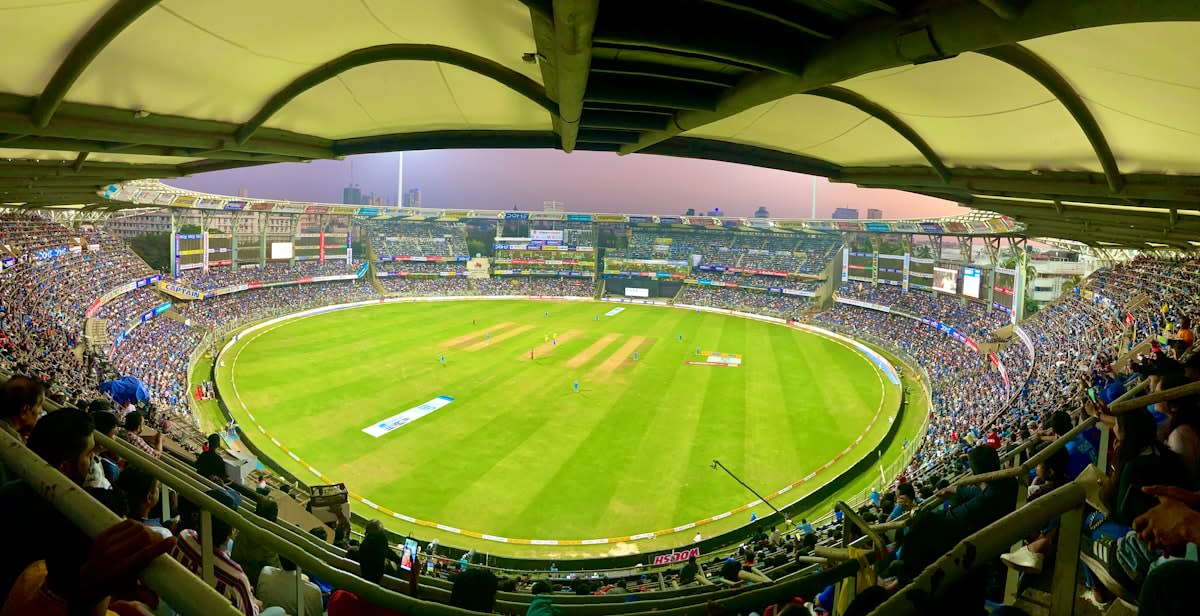
Beyond the balance sheets, the IPL functions as a laboratory for a new kind of sports diplomacy. By integrating global talent and inviting international investment, India projects an image of a modern, capitalist powerhouse capable of managing complex, large-scale entertainment ecosystems. This aligns perfectly with broader geopolitical goals of presenting India as a leader of the Global South. The league demonstrates that the periphery can not only adopt the center's games but can rewrite the rules to dominate the center.
Weaponizing the Calendar
Control over the calendar is the ultimate expression of power. The IPL has effectively carved out a window in the international schedule that forces other boards to accommodate its needs. When the IPL expands or shifts its dates, the rest of the cricketing world must adjust or risk losing their best players to injury or contract disputes. This is a form of soft coercion. By making the IPL the indispensable center of the sporting year, India ensures that the global cricket economy orbits around its own domestic interests.
"The game is no longer played on a pitch; it is played in the boardroom where the rights are sold. The ball is just the prop for a much larger geopolitical play."— Industry Analyst
Consider the emergence of other T20 leagues in South Africa, the UAE, and the USA. While these appear to be independent ventures, they largely follow the IPL blueprint. The export of this franchise model is a form of intellectual and commercial imperialism. India is not just exporting a league; it is exporting a philosophy of sports management that prioritizes short-term commercial gain over the long-term health of the multi-day game. This shift ensures that the future of cricket is formatted in a way that favors the Indian market's appetite for fast, digestible content.
Does this not mirror India's broader ambitions on the world stage? Just as India seeks a permanent seat on the UN Security Council, it has already secured a permanent seat of power in the ICC. The IPL is the proof of concept. It shows that by controlling the revenue streams and the talent pool, one can force a legacy institution to reorganize itself around a new power center.
The Diplomacy of the Boundary
The political utility of the IPL extends into the realm of bilateral relations. The ability to grant or deny access to the lucrative Indian market is a potent diplomatic tool. When India chooses to engage or boycott teams based on political tensions, the financial implications for the opposing board are catastrophic. The IPL amplifies this effect; a player banned from the IPL loses not just a game, but a significant portion of their lifetime earnings. This transforms a sporting sanction into a financial weapon.
The Power Hierarchy
The Big Three model—comprising India, Australia, and England—was a formalization of this power dynamic, ensuring that the majority of ICC revenues flowed to the wealthiest boards, further marginalizing smaller cricketing nations.
Furthermore, the league's ability to attract investment from global conglomerates and sovereign wealth funds integrates India into a network of high-finance interests. When a Middle Eastern fund or a US private equity firm invests in an IPL team, they are not just betting on cricket; they are buying into the Indian growth story. The IPL thus becomes a bridge for foreign capital to enter the Indian market, disguised as a sporting venture. This creates a layer of mutual dependence that serves India's strategic interests.
Is the sport surviving this transition, or is it being hollowed out? The traditional Test match, the supposed pinnacle of the game, is increasingly viewed as a luxury or a relic. By prioritizing the T20 format, the IPL has essentially decided which version of the sport deserves to exist. This is the ultimate systemic shift: the transition from a sport governed by tradition to a product governed by market demand. The BCCI has not just played the game; it has rewritten the rulebook to ensure it always holds the winning hand.
Ultimately, the IPL is a masterclass in how to weaponize a cultural asset. By combining nationalistic fervor with ruthless commercial logic, India has created a vacuum that sucks in the world's talent, money, and attention. The cricket pitch has become a proxy for the boardroom, and the scoreboard is now measured in geopolitical influence. The world is no longer playing India's game; it is playing in India's league, on India's terms, and for India's profit.