Prerequisites for Bioenergetic Optimization
High-performance load management requires a departure from traditional stopwatch metrics and subjective athlete feedback. To execute this protocol, practitioners must integrate a stack of neuromotor tracking tools, environmental control systems, and real-time safety hardware. Relying on an athlete's perceived exertion is no longer sufficient when the margin between a gold medal and a season-ending injury is measured in milliseconds of neuromotor lag. The objective is to replace instinct with a clinical infrastructure that monitors the intersection of brain health, thermal stress, and physical fatigue.
- Neuromotor tracking software (e.g., Neron AI) for brain performance scoring.
- Climate-controlled exposure chambers for thermal acclimation.
- Smart safety gear integrating ASIST (Advanced Sealing-Interface Surveillance Technology).
- Bioenergetic monitoring tools to track the pain-fatigue sweet spot.
Execution Protocol for Human Performance
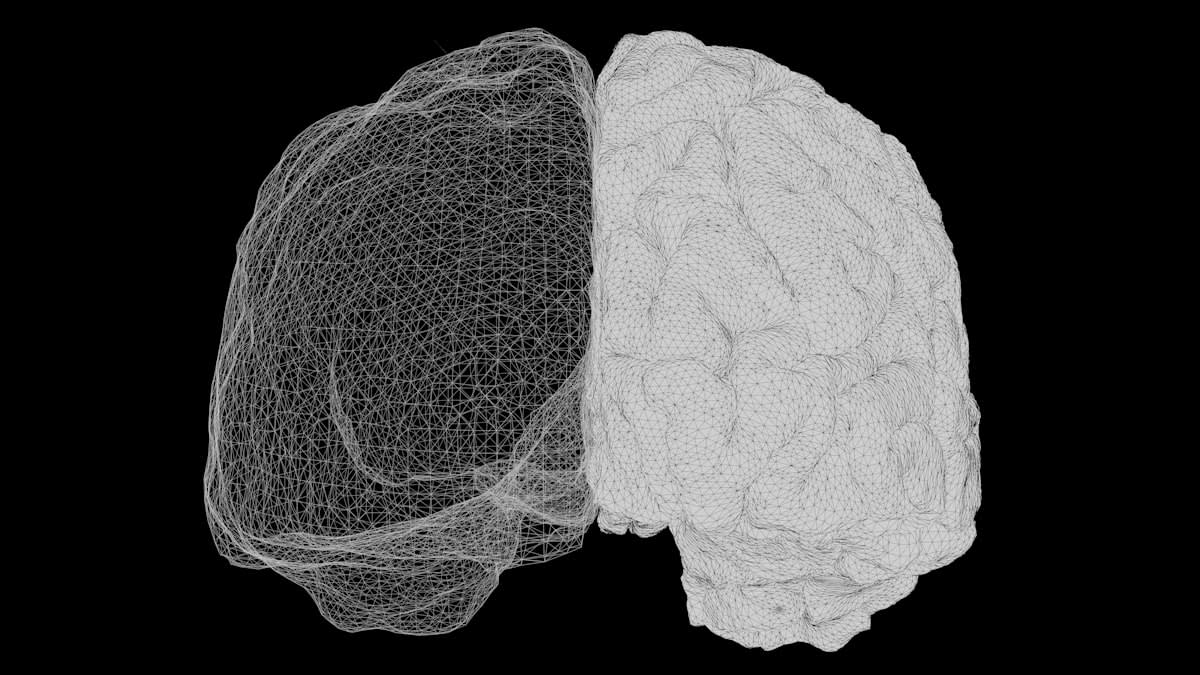
- Establish a Neuromotor Baseline: Move beyond symptom-based clearance. Utilize integrated neuromotor tracking to generate a brain performance score. This identifies whether an underlying deficit is actually resolved or if the athlete is simply masking symptoms. In high-pressure environments, the ability to perform is dictated by neuromotor control, not just the absence of pain.
- Implement Thermal Load Calibration: Use the Norwegian method of endurance training to prepare for extreme environments. This involves limited but frequent exposure to heat under close supervision. For example, during the record-breaking heat of the 2026 Tour de France, where a stage was shortened for the first time in 123 years, data-intensive adaptation became the only way to maintain power output in humid conditions.
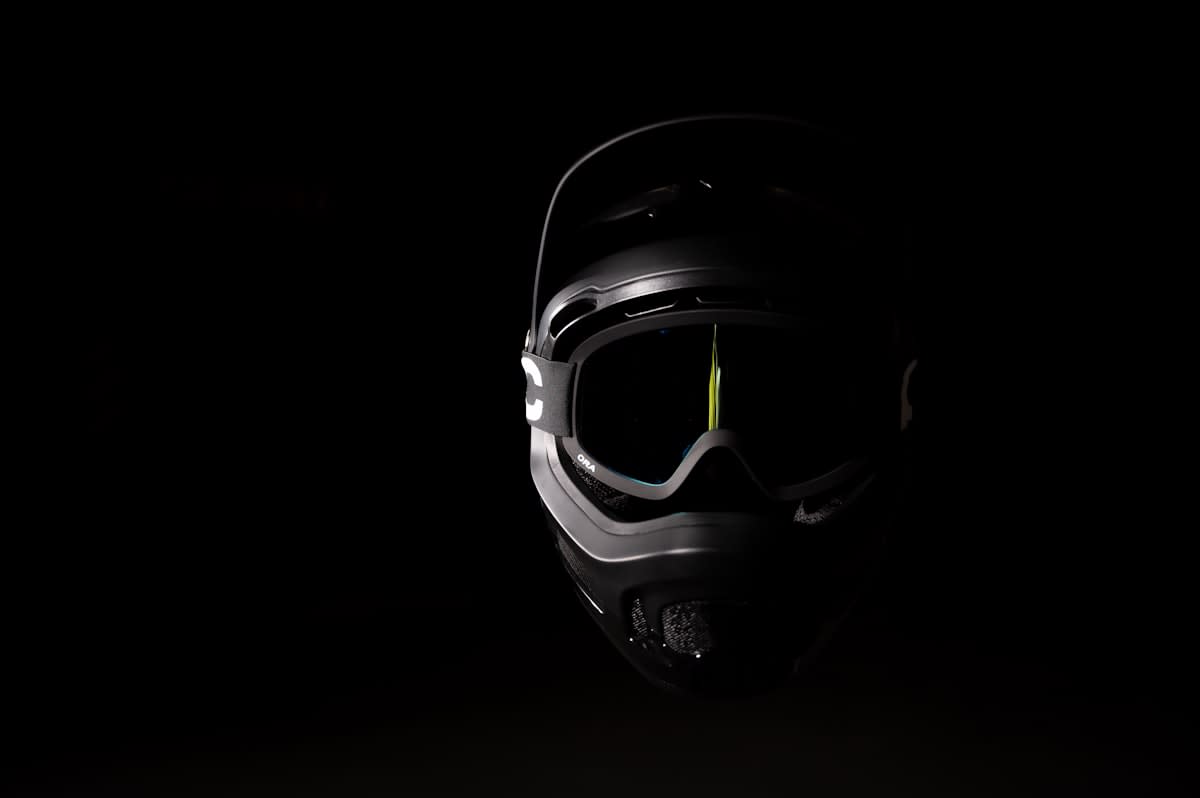
- Integrate Real-Time Safety Surveillance: Deploy smart hardware to eliminate human error in gear setup. Utilize technology like the Saturn Sports smart helmet, which employs US Army DEVCOM CBC ASIST technology. This system uses illuminated indicators to verify chinstrap security and feeds real-time safety data to coaching staff via connected applications, ensuring that the physical load does not exceed the safety threshold of the equipment.
- Calibrate the Pain-Endurance Sweet Spot: Align training intensity with the relationship between pain and physical fatigue. Following NFHS guidelines for the 2027 outdoor track and field season, specifically in throwing events, athletes must learn to distinguish between productive fatigue and persistent pain. Improvement occurs in the 'sweet spot' where training builds endurance without causing long-term injury.
Why do so many elite organizations still rely on a stopwatch and a gut feeling? The answer lies in the lag between technology development and operational adoption. When a rehabilitation provider clears a patient based on symptoms rather than neuromotor resolution, they are gambling with the athlete's career. The transition to an infrastructure-based approach to brain health allows for the objective measurement of clinical outcomes, proving whether an intervention is actually working in real-world conditions.
Thermal Adaptation and the Norwegian Method
The 2026 Tour de France served as a brutal case study in the necessity of thermal load management. With Europe facing unprecedented early-season wildfires and the hottest humid heatwaves on record, the traditional approach to endurance training failed. Coach Olav Aleksander Bu pioneered a data-intensive method that treats heat as a variable to be trained, rather than a condition to be endured. By applying limited, frequent exposure, athletes can boost their heat tolerance without inducing systemic burnout.
This process requires precise monitoring to avoid the tipping point where heat stress impairs neuromotor function. If the thermal load is too high, the brain's ability to coordinate complex movements degrades, increasing the risk of catastrophic failure. The goal is to induce a physiological adaptation that allows the body to dissipate heat more efficiently while maintaining the cognitive sharpness required for elite competition.
"There is a relationship with pain and understanding how to work with it, if it is possible to work through it, but also knowing how to back off of it so the pain does not persist."— Flowers, NFHS Safety Consultant
Bridging Defense Innovation and Athletic Safety
The crossover from military technology to sports safety is most evident in the development of the Saturn Sports smart helmet. By leveraging the Advanced Sealing-Interface Surveillance Technology (ASIST) developed by the U.S. Army Combat Capabilities Development Command Chemical Biological Center (DEVCOM CBC), the helmet transforms a passive piece of equipment into an active data node. It eliminates the ambiguity of gear checks through illuminated technology that signals when a chinstrap is properly secured.
This real-time data stream provides coaches and trainers with an immediate safety audit of every athlete on the field. When integrated with bioenergetic tracking, this allows for a holistic view of the athlete's state: are they physically secure, thermally stable, and neuromotorically primed? This level of surveillance removes the possibility of equipment failure contributing to injury, allowing the focus to remain entirely on performance optimization.

Comparative Analysis: Traditional vs. Bioenergetic Tracking
| Metric | Traditional Approach | Bioenergetic Approach |
|---|---|---|
| Return-to-Play | Symptom-based clearance | Neuromotor deficit resolution |
| Heat Management | Passive endurance | Controlled, frequent exposure |
| Safety Verification | Manual visual checks | Real-time ASIST sensor data |
| Fatigue Monitoring | Athlete self-reporting | Pain-endurance sweet spot calibration |
The delta between these two approaches is the difference between managing a team and engineering a performance. Traditional methods are reactive, responding to pain or failure after they occur. Bioenergetic tracking is predictive, utilizing the brain performance score and thermal data to adjust loads before a failure occurs. This shift is particularly critical in the 2027 track and field cycle, where safety in throwing events has become a primary regulatory focus.
Common Pitfalls in Load Management
The most dangerous error a practitioner can make is trusting an athlete's confidence over their data. Elite athletes are conditioned to push through pain, which often masks underlying neuromotor deficits. When a sports organization decides if an athlete is ready to perform based on instinct, they ignore the quiet signal that the brain's infrastructure has not yet recovered. This leads to premature return-to-play and increased injury recurrence.
Another frequent failure is the misapplication of heat training. Simply training in the heat is not adaptation; it is attrition. Without the limited, supervised exposure protocols advocated by the Norwegian method, athletes risk heat exhaustion and a decline in neuromotor control. Precision in the duration and frequency of exposure is what separates performance enhancement from physiological breakdown.
The Infrastructure Gap
The uncomfortable admission in current sports medicine is that many organizations cannot confidently state which athletes are genuinely improving and which are simply adapting to the pain of their injuries. Neuromotor tracking is the only way to resolve this ambiguity.