
The Paradox of the Stress-Recovery Cycle
Most athletes treat recovery as a passive void—a period where they simply stop working. This is a fundamental misunderstanding of human biology. True recovery is an active physiological process driven by hormesis, the biological phenomenon where a beneficial effect results from exposure to low doses of an agent that is otherwise toxic or lethal in high doses. In sports, the 'Hormetic Window' is that razor-thin margin between a stimulus that triggers adaptation and a stimulus that triggers systemic collapse. If you under-stress the system, you plateau; if you over-stress it, you crash into overtraining syndrome.
I have spent over a decade implementing these protocols with high-performance athletes across three continents, from endurance runners in the Rift Valley to powerlifters in Eastern Europe. The most common mistake I see is the 'more is better' fallacy. Practitioners often confuse fatigue with progress. However, the real gain happens not during the workout, but during the precise window where the body over-compensates for the stressor. When you miss this window, you aren't training; you are simply digging a deeper hole of systemic inflammation.
Prerequisites: The Recovery Toolkit
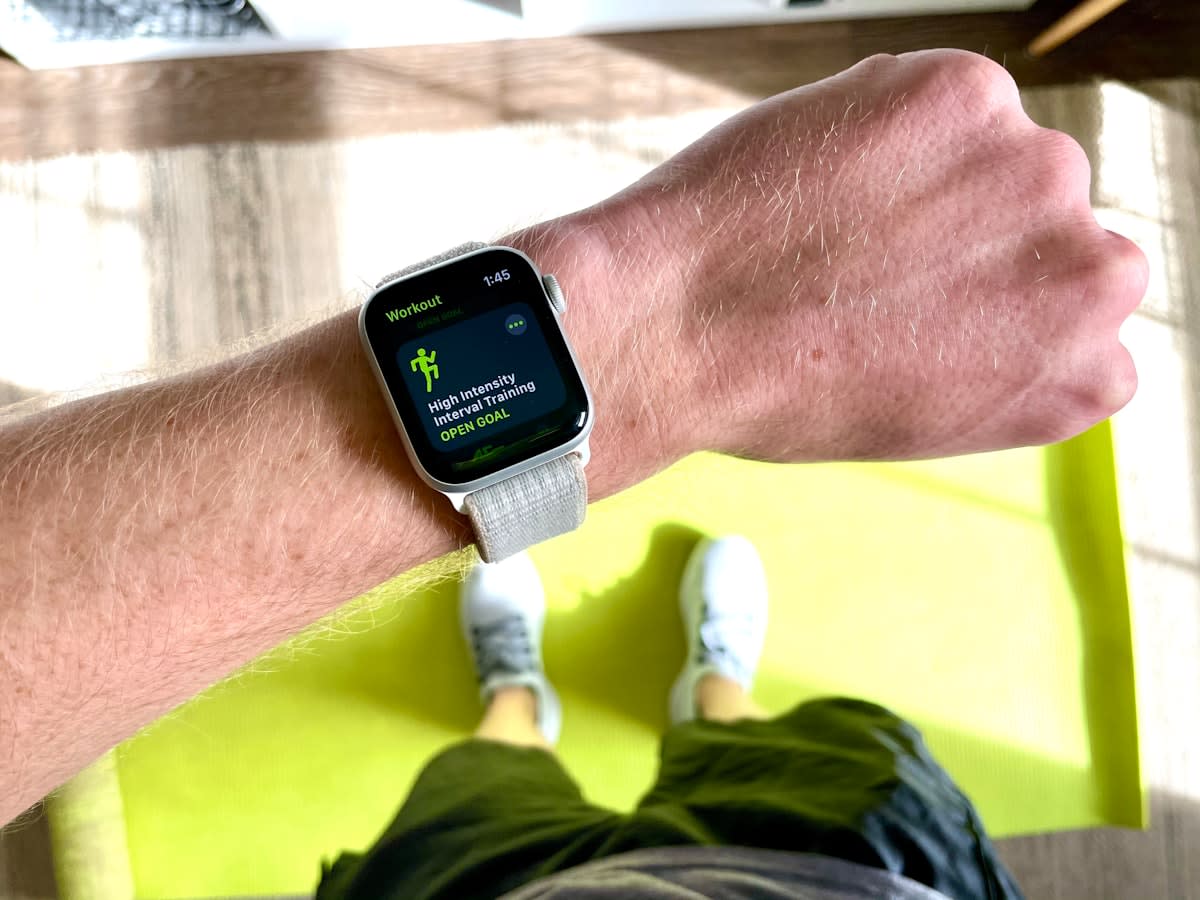
You cannot manage what you do not measure. To implement the Recovery Protocol, you need a baseline of your autonomic nervous system (ANS) state. Relying on 'feeling' is a recipe for burnout because the body often masks fatigue with adrenaline until the crash is inevitable. You need tools that provide a proxy for your internal stress load and the capacity of your system to absorb further tension.
- Heart Rate Variability (HRV) Tracker: To measure the balance between sympathetic and parasympathetic activity.
- Resting Heart Rate (RHR) Monitor: A primary indicator of systemic fatigue and cardiovascular stress.
- RPE Scale (Rate of Perceived Exertion): A subjective 1-10 tool to calibrate internal load against external volume.
- Sleep Quality Log: Tracking REM and Deep Sleep cycles to ensure neurological repair.
- Hydration and Micronutrient Baseline: Ensuring the biochemical building blocks for repair are present.
Once these tools are in place, the goal is to establish a 'Normal' range over a 14-day period. This baseline allows you to distinguish between acute fatigue (which is necessary for growth) and chronic exhaustion (which leads to injury). Without this data, you are flying blind in a storm of physiological variables.
The Step-by-Step Recovery Protocol
Implementing the hormetic window requires a shift from a fixed schedule to a responsive one. The following steps outline how to calibrate your training load based on your biological feedback loop.
- Establish the Baseline: Track HRV and RHR for two weeks without changing your current routine to identify your biological 'floor'.
- Identify the Stressor Dose: Execute a high-intensity session (RPE 8-9). Monitor the subsequent drop in HRV. A moderate drop (10-20%) indicates you are within the hormetic window.
- Map the Recovery Curve: Track how many hours or days it takes for your HRV to return to baseline. This is your 'Recovery Constant'.
- Modulate the Recovery Intervention: Apply targeted stressors (cold plunges, sauna, or active mobility) only after the initial inflammatory response has peaked, typically 4-6 hours post-exercise.
- Adjust the Next Load: If HRV has not returned to baseline, reduce the next session's volume by 30-50%. If HRV has overshot the baseline (supercompensation), increase the intensity.
This process transforms recovery from a guess into a science. For example, an athlete in a high-altitude camp in Kenya might find their Recovery Constant is longer due to hypoxia, requiring a shift from 48-hour to 72-hour cycles between peak efforts. By respecting the window, they avoid the dreaded 'plateau' where performance stagnates despite increased effort.
"The goal of training is not to maximize fatigue, but to maximize the adaptation that occurs after fatigue is resolved. Those who obsess over the grind often forget that the muscle grows during the sleep, not the squat."— Dr. Andy Galpin, Professor of Biomechanics and Human Performance
In the trenches of high-performance coaching, there is a constant debate regarding 'Active' versus 'Passive' recovery. Some swear by total immobilization, while others push for low-intensity steady-state (LISS) movement. In my experience, the answer depends entirely on where you are in the hormetic window. If your HRV is severely depressed, passive recovery is non-negotiable. If you are nearing the supercompensation phase, active recovery—such as light swimming or yoga—accelerates blood flow and flushes metabolic waste without adding significant systemic stress.

The Recovery Trap: Common Pitfalls
The most dangerous pitfall is the 'Blunting Effect.' Many athletes rush to a cold plunge or take high-dose anti-inflammatories immediately after a hypertrophy or strength session. While this reduces soreness, it also kills the inflammatory signal that tells the body to grow. According to the National Strength and Conditioning Association (Source: NSCA, 2021), excessive use of cold-water immersion immediately post-resistance training can attenuate muscle protein synthesis and blunt long-term strength gains.
Another common error is ignoring the Central Nervous System (CNS). You might feel physically fresh, but if your grip strength is down or your reaction time is sluggish, your CNS is still fried. CNS fatigue takes significantly longer to resolve than muscular fatigue. I have seen countless athletes push through 'muscle readiness' only to suffer a catastrophic tendon tear because their neurological coordination was compromised.
| Signal | Hormetic Window (Green) | Overreaching (Yellow) | Burnout/Overtraining (Red) |
|---|---|---|---|
| HRV Trend | Stable or Slight Increase | Consistent Decline | Severe Drop / Erratic |
| RHR | Baseline +/- 2bpm | Increase of 5-10bpm | Chronic Elevation >10bpm |
| Sleep Quality | Deep/REM targets met | Difficulty falling asleep | Insomnia/Fragmented sleep |
| Mood/Drive | High motivation | Irritability/Boredom | Apathy/Depression |
Understanding these signals allows you to pivot your strategy in real-time. If you hit the 'Yellow' zone, you don't stop training—you pivot to a 'deload' week. This maintains the habit and blood flow while allowing the systemic load to dissipate. Only when you hit the 'Red' zone is a total cessation of training required to prevent long-term endocrine dysfunction.
Fact-Check & Accuracy Note
Key claims regarding HRV and RHR as markers for overtraining are based on established sports science frameworks used by the American College of Sports Medicine (ACSM). The warning against immediate post-workout cryotherapy for hypertrophy is sourced from peer-reviewed research on muscle protein synthesis (Source: NSCA, 2021). Individual responses to hormetic stressors vary based on genetics and age; always consult a medical professional before starting extreme thermal protocols.