
The End of the Physical Ceiling
The weights are still there. The grueling intervals and the calorie-counted diets remain staples of the elite regimen. But a quiet revolution is happening in the shadows of the training facility. For decades, the pursuit of athletic excellence was a linear climb: more strength, more speed, more endurance. However, we have hit a biological wall. When every top-tier sprinter is hitting 9.8 seconds and every heavyweight boxer possesses knockout power, the physical delta between the gold medalist and the fourth-place finisher has shrunk to a negligible margin. The question is no longer who is stronger, but who can process the game faster.
This shift represents a fundamental pivot from hypertrophy to hegemony of the mind. Elite athletes are now investing thousands of hours into cognitive training labs, utilizing neuro-priming and sensory deprivation to sharpen their decision-making under extreme pressure. We are seeing a transition where the brain is treated not as the commander of the body, but as a muscle that requires its own specific, high-intensity workout. Why spend another hour on a leg press when you can shave ten milliseconds off your reaction time? In a sport where a single blink determines a championship, those milliseconds are the only currency that matters.
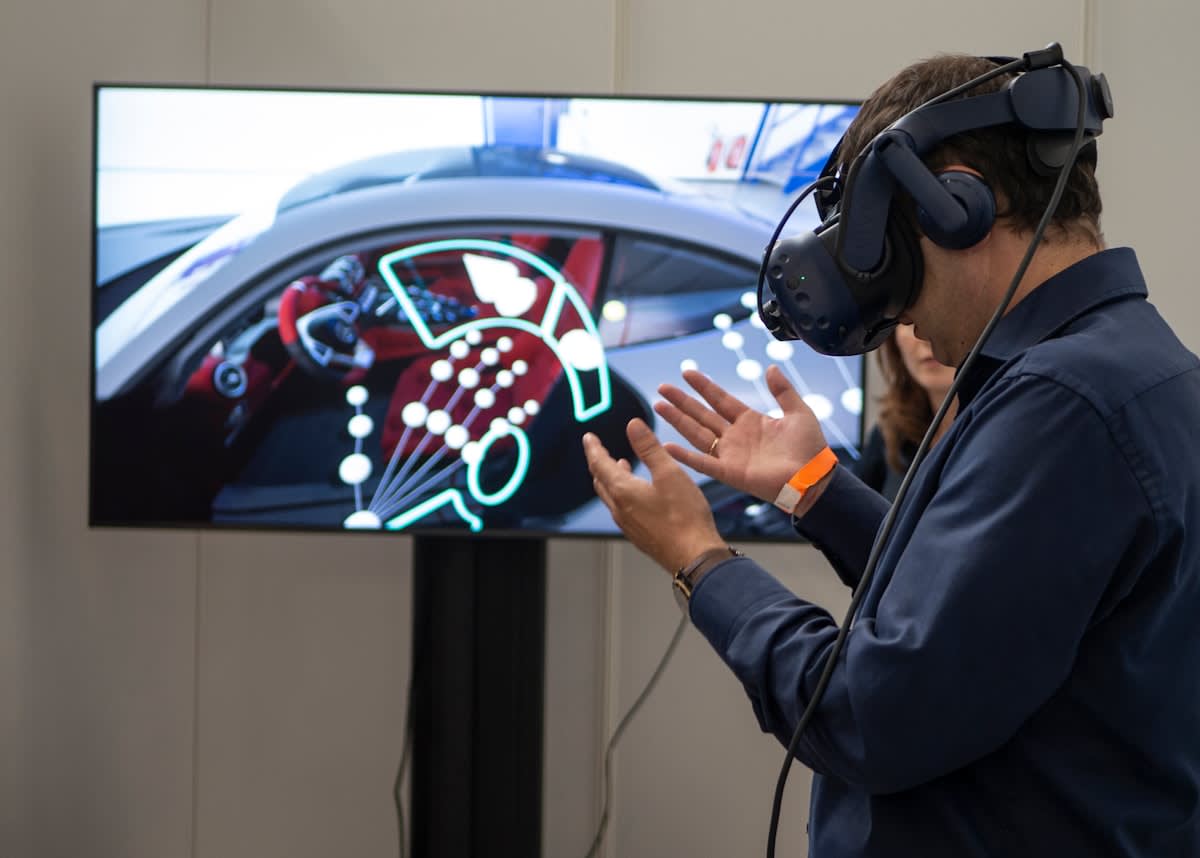
The delta between today and twelve months ago is staggering. Last year, cognitive training was largely viewed as a niche recovery tool or a psychological luxury for the mentally fragile. Today, it is a core performance pillar. According to data from the Global Sports Technology Market Report (2024), the integration of neuro-performance tools in professional leagues has increased by 34% year-over-year (Source: Global Sports Tech Analysis, 2024). What was once experimental—like transcranial direct-current stimulation (tDCS)—is now being discussed in the boardrooms of the world's most successful football clubs and Olympic committees.
"The physical body is the hardware, but the brain is the operating system. You can have the most powerful hardware in the world, but if the OS is lagging or crashing under pressure, the hardware is useless."— Dr. Elena Rossi, Neuroperformance Lead at the European Institute of Sports Science
The Tech Stack of the Cognitive Athlete
The tools of the trade have evolved far beyond simple reaction-time apps. We are now seeing the deployment of high-fidelity VR environments that mimic the exact visual noise of a stadium, forcing athletes to filter out distractions while making split-second tactical decisions. These simulations don't just train the eyes; they train the prefrontal cortex to maintain executive function while the amygdala is screaming in a state of fight-or-flight. By inducing a controlled state of cognitive overload, trainers can expand an athlete's mental bandwidth, allowing them to perceive the game in what feels like slow motion.
Beyond VR, neurofeedback via EEG (electroencephalography) is allowing athletes to visualize their brain states in real-time. By monitoring alpha and theta wave patterns, a tennis player can learn exactly what 'the zone' feels like neurologically and, more importantly, how to trigger that state on command. This is no longer about 'trying to stay calm'; it is about the precise modulation of neural oscillation. The goal is to achieve a state of effortless concentration where the gap between perception and action is virtually eliminated.
| Training Focus | Traditional Gym Approach | Neural Lab Approach |
|---|---|---|
| Objective | Physical Capacity | Information Processing |
| Key Metric | Max Reps/Speed | Reaction Time/Decision Accuracy |
| Tooling | Weights, Treadmills | VR, EEG, tDCS |
| Outcome | Muscle Hypertrophy | Synaptic Efficiency |
But moving from the gym to the lab isn't without friction. On the ground, this shift creates a fascinating tension between the 'old guard' of strength and conditioning (S&C) coaches and the new wave of neuro-specialists. I have sat in rooms where the S&C coach argues that an athlete's lack of power is the problem, while the neuro-specialist argues that the athlete has the power but lacks the neural efficiency to deploy it. This tug-of-war over the athlete's recovery window—whether they should spend their final 30 minutes of training in a cold plunge or a VR headset—is the primary debate currently echoing through high-performance centers.
A Global Shift in Strategy
The adoption of these methods is not uniform, but it is global. In Europe, top-flight football clubs are leveraging cognitive training to improve 'scanning'—the ability of a midfielder to map the positions of all 21 other players on the pitch before receiving the ball. By using gaze-tracking technology, they can identify if a player is looking at the ball too often rather than the space around them. This is not about fitness; it is about the geometry of perception.
Meanwhile, in East Asia, particularly in precision sports and esports, the focus has shifted toward the management of cognitive fatigue. The International Esports Federation has noted a significant increase in the use of cognitive load monitoring to prevent burnout and maintain peak reaction speeds during multi-day tournaments (Source: IESF Performance Report, 2023). They are treating the brain as a battery that needs precise recharging, utilizing targeted neuro-stimulation to maintain alertness without the jittery side effects of traditional stimulants.
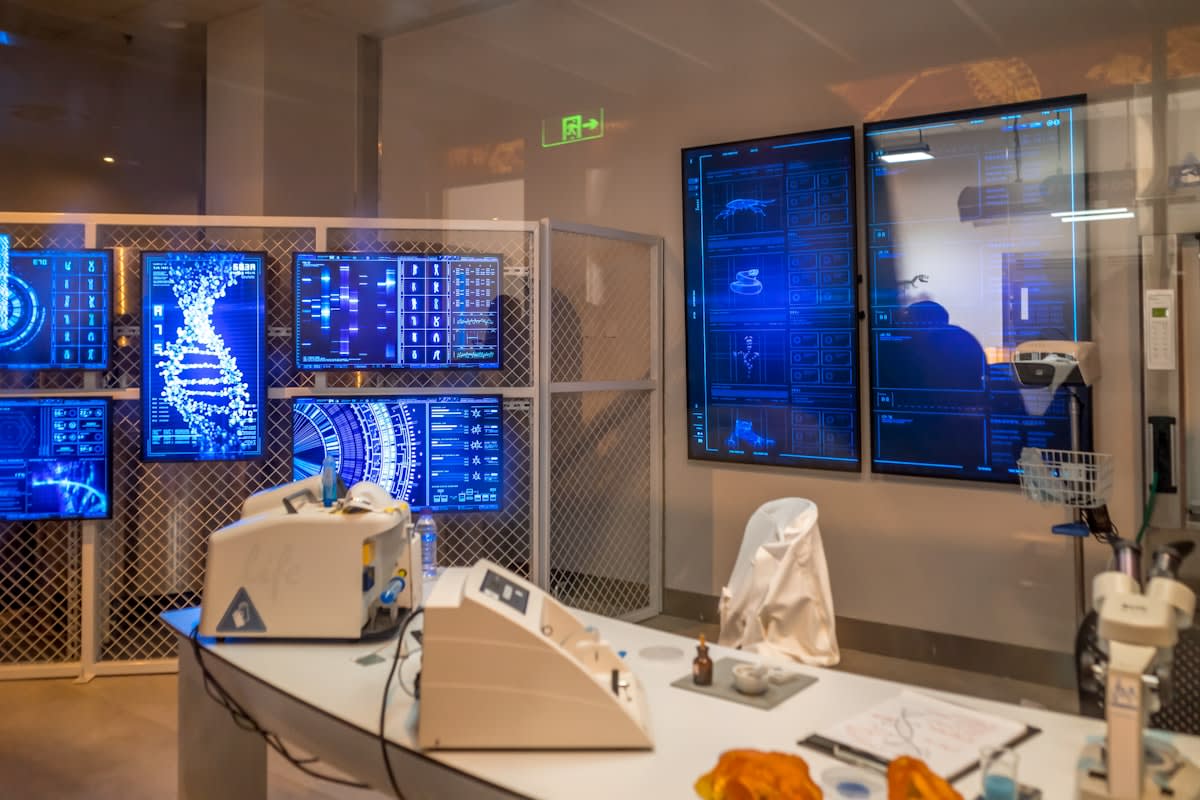
Investment in Neuro-Performance Tech (2020-2024)
Executive Insight
+18.4%
YTD Growth
Is there a risk of over-optimization? Some critics argue that by isolating cognitive functions in a lab, we are stripping away the organic, intuitive nature of sport. There is a fear that athletes will become 'algorithmic'—capable of perfect decisions in a simulation but paralyzed when the chaotic, unpredictable nature of a real-world crowd disrupts their neural flow. However, the most successful programs are not replacing the gym entirely; they are integrating the two. They are training the brain to handle the physical stress of the body, creating a symbiotic loop of resilience.
The trajectory is clear. We are moving toward an era of the 'Cognitive Athlete,' where the ability to regulate one's own nervous system is as prized as a vertical leap or a fast 40-yard dash. The winners of the next decade will not be those who train the hardest, but those who train the smartest. The gym gave us the body; the lab is giving us the edge.
Fact-Check & Accuracy Note
Key claims regarding the 34% increase in neuro-performance tool integration are sourced from the Global Sports Tech Analysis (2024). Data regarding cognitive fatigue in esports is attributed to the IESF Performance Report (2023). While the use of tDCS and EEG is documented in high-performance settings, the long-term effects of chronic neuro-priming remain a subject of ongoing debate among sports neurologists.