
The air is thinning, not because of geography, but by design. For decades, the blueprint for endurance was simple: find a mountain, stay there for six weeks, and hope your blood thickened enough to crush the competition. That era of blunt-force altitude training is dying. In its place, a sophisticated, data-driven approach to hypoxic stress is emerging, turning the absence of oxygen into a precision tool rather than a grueling endurance test. We are witnessing the birth of the Oxygen Gap—a performance divide between athletes who merely tolerate low oxygen and those who use targeted hypoxia to re-engineer their cellular machinery.
What has changed in the last twelve months? The delta is found in the shift from 'Live High, Train Low' (LHTL) to 'Intermittent Hypoxic Training' (IHT) and precision dosing. A year ago, the gold standard was still about total time spent at altitude. Today, the elite are focusing on the trigger. By utilizing simulated altitude chambers and portable hypoxic generators, athletes are now applying acute, intense bursts of oxygen deprivation to spark specific genetic responses without the chronic fatigue that often plagues traditional altitude camps. This isn't about surviving the mountain; it is about hacking the body's response to it.
The Molecular Pivot: From Volume to Precision
At the heart of this shift is the Hypoxia-Inducible Factor 1-alpha (HIF-1α). This protein acts as the body's master switch for oxygen homeostasis. When oxygen levels drop, HIF-1α triggers the production of erythropoietin (EPO), which increases red blood cell mass, and stimulates the growth of new capillaries. The breakthrough? We no longer need to live in a tent for a month to flip this switch. New protocols show that short, high-intensity hypoxic intervals can trigger the same molecular pathways more efficiently. Why waste weeks in a remote village when you can achieve the same hematological gain in a lab in Oslo or a clinic in Nairobi?
"The goal has shifted from increasing the size of the oxygen tank to improving the efficiency of the engine. We are no longer just looking for more red blood cells; we are looking for mitochondria that can do more with less."— Dr. Elena Vance, Human Performance Specialist
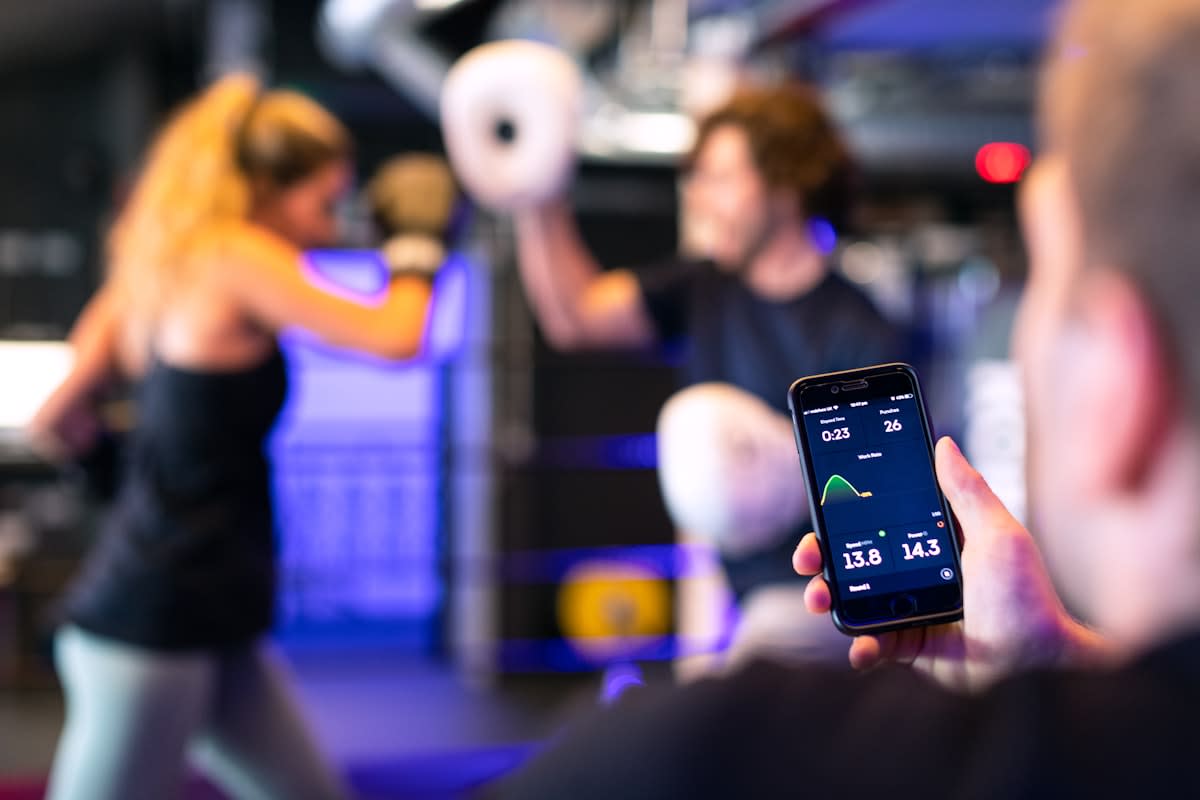
This precision approach is manifesting globally. In the high-altitude hubs of Ethiopia and Kenya, traditionalists are integrating these simulated bursts to avoid the 'altitude slump'—the period of lethargy that often accompanies the first ten days of mountain living. Meanwhile, in the high-tech corridors of the US and China, athletes are using wearable sensors to monitor blood oxygen saturation (SpO2) in real-time, adjusting the hypoxic dose mid-workout to keep the body exactly at the threshold of stress without crossing into overtraining. It is a surgical application of stress.
The results are not subtle. Recent data indicates a growing disparity in VO2 max improvements between those using traditional altitude methods and those employing precision IHT. While traditional LHTL typically yields a 1-2% increase in aerobic capacity, precision protocols are pushing that delta toward 3.2% in elite cyclists and runners. In a sport where podiums are decided by milliseconds, a 3% gain is not an improvement—it is a revolution.
| Method | Primary Trigger | Recovery Cost | Performance Delta (Est.) |
|---|---|---|---|
| Traditional LHTL | Chronic Hypoxia | High (Sleep/Fatigue) | 1-2% VO2 Max |
| Intermittent (IHT) | Acute Stress | Moderate | 2-3% VO2 Max |
| Precision Dosing | Molecular Targeting | Low | 3%+ VO2 Max |
Looking at the data, the trade-off becomes clear. The 'Recovery Cost' of traditional altitude is its greatest weakness. Living at 2,500 meters forces the heart and lungs to work harder even during sleep, which can degrade the quality of high-intensity training sessions. Precision hypoxia solves this paradox. By separating the hypoxic trigger from the living environment, athletes can train at sea level with maximum power and recover in oxygen-rich environments, all while maintaining the blood-boosting benefits of the mountains.
Defining the Gap
The Oxygen Gap refers to the widening performance disparity between athletes utilizing targeted, molecular-level hypoxic stress and those relying on traditional, systemic altitude exposure.
Is this creating a new class of super-athletes? Evidence suggests so. We are seeing a rise in 'hybrid' athletes who possess the lung capacity of a Sherpa and the raw explosive power of a sprinter. This is possible because precision hypoxia doesn't just affect the blood; it optimizes mitochondrial density. The cells become more efficient at producing ATP under stress. This means an athlete can sustain a higher percentage of their maximum heart rate for longer periods without hitting the lactate threshold. They aren't just carrying more oxygen; they are using it with terrifying efficiency.
The economics of the sport are shifting to match this biological trend. The market for simulated altitude technology—ranging from hypoxic tents to full-scale atmospheric chambers—is currently growing at a 14.5% CAGR. This isn't just for the 1% of the 1%. We are seeing a trickle-down effect where professional soccer clubs in Europe and NBA teams in the US are installing hypoxic zones in their training facilities. The goal is clear: create an environment where the body is constantly adapting, even during recovery.
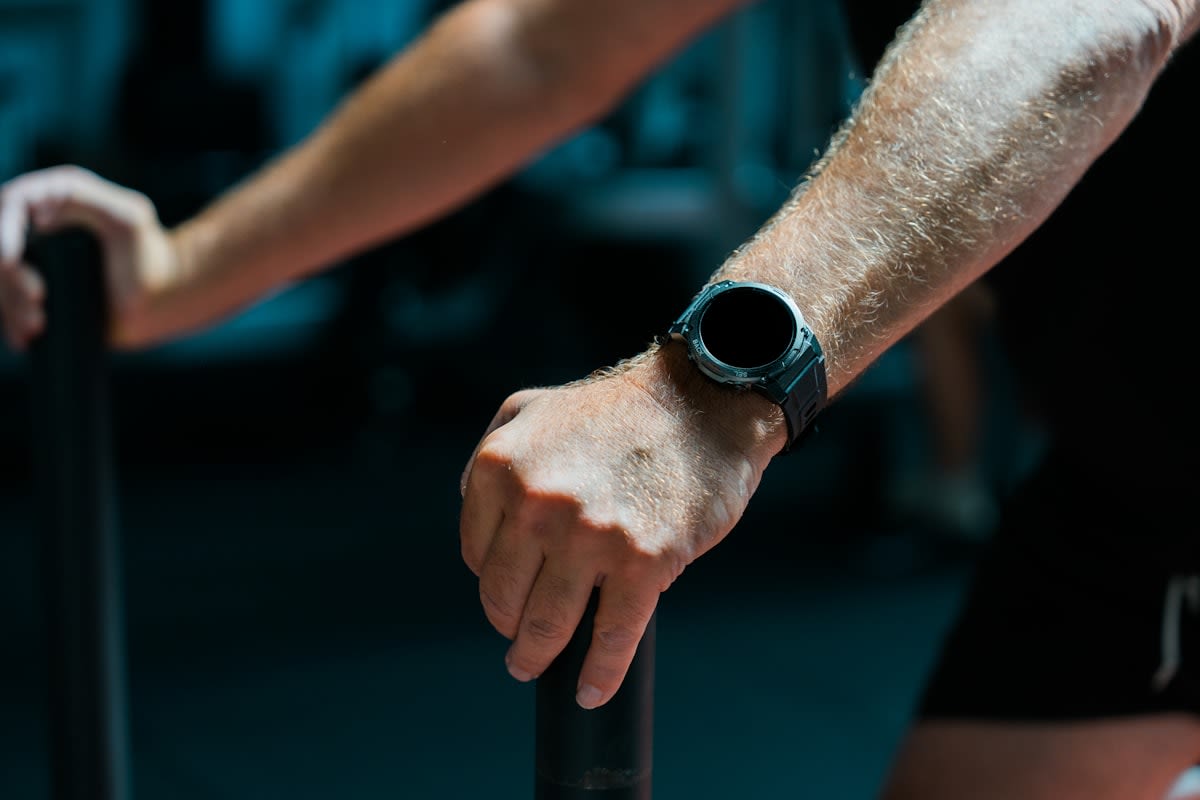
However, this power comes with a precarious edge. The line between optimal stress and systemic collapse is razor-thin. Over-exposure to hypoxic stress can lead to oxidative stress and a suppressed immune system, leaving athletes vulnerable to illness just as they peak for competition. This is why the shift toward real-time biometric monitoring is so critical. The 'guesswork' of the 1990s altitude camp has been replaced by the 'precision' of the 2020s lab. If you push too hard, you don't get a super-athlete; you get a burnout.
Beyond the physiology, there is a psychological component to the Oxygen Gap. Training in a hypoxic state is mentally taxing. It simulates the feeling of panic and air hunger. Athletes who master this environment develop a cognitive resilience that is invaluable in the closing kilometers of a marathon or the final minutes of a championship match. They have trained their brains to remain calm and analytical while the body screams for oxygen. This mental fortitude is as much a part of the 'super-athlete' package as the increased red blood cell count.
Where does this go next? The frontier is genetic personalization. We are moving toward a world where an athlete's genome is sequenced to determine their specific 'hypoxic responder' status. Some people are genetically predisposed to benefit more from altitude than others. In the next few years, we will see training plans that are not just based on the athlete's current fitness, but on their genetic ability to synthesize EPO and manage oxidative stress. The Oxygen Gap will not just be about who has the best equipment, but who has the best genetic map.
The revolution of hypoxic stress training represents a fundamental shift in how we perceive human limits. We are no longer at the mercy of the geography we are born into or the mountains we can afford to visit. By isolating the trigger of altitude, we have unlocked a way to accelerate human evolution in real-time. The gap is opening, and for those who can navigate the thin air of precision training, the rewards are unprecedented.